

WeVote

Bill

Bill

HR 9766

Building Community in America Act

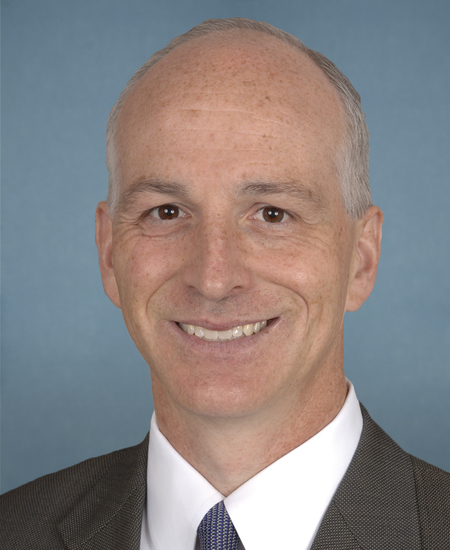
119th Congress Introduced by Adam Smith

The Act expands and prioritizes federal service programs to recruit and train underrepresented groups, including young adults and men, for mentoring, safety, disaster response, and

Introduced in House
0
WeVote Research Nonpartisan
Bill Summary · HR 9766

Building Community in America Act (H.R. 9766)

Purpose

  • The bill amends the National and Community Service Act of 1990 to explicitly expand participation in national and community service programs among populations that are underrepresented in service activities.

Key Provisions and Changes

  • Expansion of participation (Section 2(a))

    • Adds a new category to the purposes of the National and Community Service Act: to expand participation in national and community service among populations underrepresented in service programs, including young adults, in mentoring, coaching, youth development, and other community-building activities.
  • Prioritization in national service programs (Section 2(b))

    • National and Community Service Act of 1990 (42 U.S.C. 12572(f)):
    • Adds a new priority for programs that recruit and train underrepresented participants, specifically including men, for activities such as:
      • Youth coaching or mentoring
      • School attendance or after-school support
      • National service positions as part of a conservation corps
      • Disaster response activities
      • Public safety, violence interruption, or reentry support
      • Skilled trades, apprenticeships, or workforce-linked services
    • Section 157 (42 U.S.C. 12617): Adds a new subsection clarifying that there shall be a priority in developing project proposals and selecting projects that prioritize recruitment and training of underrepresented participants for the activities listed in the new section 122(f)(5).
  • Domestic Volunteer Service Act of 1973 (42 U.S.C. 4953):

    • Adds a new subsection (j) requiring the Director to give priority to projects or programs that prioritize recruiting and training underrepresented participants (including men) for the activities described in section 122(f)(5) of the National and Community Service Act of 1990 when assigning volunteers.

Who Is Affected

  • National and community service programs and their sponsoring agencies.
  • Participants and prospective volunteers, with a focus on:
    • Underrepresented populations in service programs
    • Young adults
    • Men
  • Organizations and partners that implement:
    • Youth mentoring and coaching
    • School attendance and after-school programs
    • Conservation corps or other national service positions
    • Disaster response
    • Public safety, violence interruption, reentry support
    • Skilled-trades, apprenticeships, or workforce-linked services

Procedural and Timeline Aspects

  • Introduction and Referral: Introduced July 16, 2026, in the House by Mr. Smith (WA) and referred to the Committee on Education and Workforce.
  • The bill outlines amendments to existing statutes but does not specify funding levels or new program authorizations beyond prioritization criteria. Any implementation would depend on subsequent appropriations and agency rulemaking consistent with the amended statute.

Summary in Plain Language

The Building Community in America Act aims to broaden and prioritize participation of underrepresented groups in federal service programs. It expands the stated goals to explicitly include increasing participation of young adults and other underrepresented groups in activities such as mentoring, youth development, disaster response, conservation service, public safety and reentry support, and workforce-related training. It requires federal service programs to prioritize recruiting and training these groups when selecting and developing projects and when assigning volunteers, thereby linking service opportunities to more diverse participation.

Compiled from official sources — confirm details with the bill’s official record.

Sign in to ask a question.