Summary of HR 1834 - Breaking the Gridlock Act
Introduction
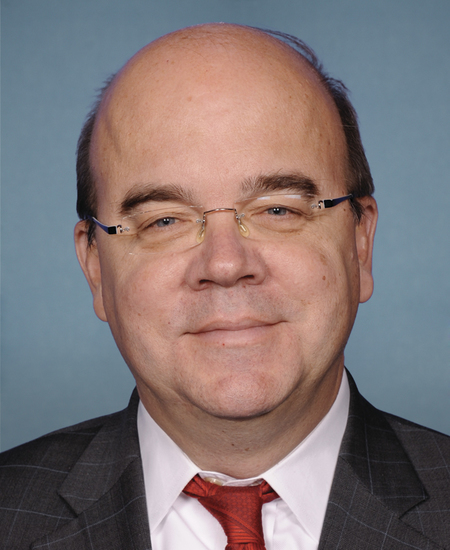
The Breaking the Gridlock Act (HR 1834) was introduced in the House of Representatives on March 4, 2025, by Representative James P. McGovern. The bill aims to address and alleviate legislative gridlock in Congress, facilitating more efficient governance and decision-making.
Purpose and Intent
The primary intent of the Breaking the Gridlock Act is to streamline the legislative process, reduce delays in passing critical legislation, and enhance collaboration among various committees. This is particularly significant in light of the increasing complexity and urgency of issues facing the nation.
Key Provisions
While the specific provisions of the bill are not detailed in the provided information, the following general objectives can be anticipated based on the bill's title and intent:
- Streamlining Legislative Processes: The bill may propose mechanisms to expedite the consideration of bills and resolutions, potentially including changes to rules governing debate and amendments.
- Enhancing Committee Collaboration: It is likely to encourage or mandate greater cooperation among the numerous committees involved in the legislative process, ensuring that bills are reviewed more efficiently.
- Addressing Specific Issues: The bill may focus on particular areas of concern, such as economic opportunity, disability assistance, and other pressing matters that require timely legislative action.
Affected Parties
The Breaking the Gridlock Act would likely impact:
- Members of Congress: By changing how legislation is processed, it could alter the workflow and responsibilities of legislators.
- Committees: Various committees, including those on Economic Opportunity, Disability Assistance, and others, would need to adapt to new procedures.
- The General Public: Citizens may benefit from a more responsive government that can address urgent issues more effectively.
Legislative Process and Timeline
- Introduced: March 4, 2025
- Referred to Multiple Subcommittees: The bill has been referred to several subcommittees, including:
- Economic Opportunity
- Disability Assistance and Memorial Affairs
- Economic Development, Public Buildings, and Emergency Management
- Transportation and Maritime Security
- Current Status: As of now, the bill is under consideration in the Subcommittee on Disability Assistance and Memorial Affairs.
Related Legislation
HR 1834 has several companion bills that may address similar issues or propose related reforms:
- S 1483
- HR 345
- HR 469
- HR 862
These related bills may provide additional context or alternative approaches to the challenges the Breaking the Gridlock Act seeks to address.
Conclusion
The Breaking the Gridlock Act represents an effort to improve legislative efficiency in Congress. By fostering collaboration among committees and streamlining processes, the bill aims to ensure that critical issues are addressed in a timely manner, ultimately benefiting the legislative framework and the public it serves. Further details on specific provisions and impacts will emerge as the bill progresses through the legislative process.