

WeVote

Bill

Bill

HR 9062

BOOST American Business Act

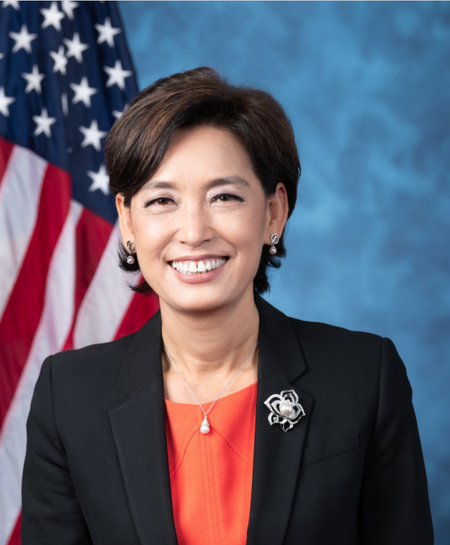
119th Congress Introduced by Young Kim and 2 co-sponsors

Creates a formal Commercial Diplomatic Service within the State Department to professionalize and expand U.S. commercial diplomacy in support of American businesses abroad.

Introduced in House
0
WeVote Research Nonpartisan
Bill Summary · HR 9062

Overview

  • Bill: H.R. 9062, the BOOST American Business Act
  • Session: 119th Congress
  • Introduced: May 29, 2026 by Rep. Mrs. Kim; co-sponsors Rep. Michael McCaul and Rep. Young Kim
  • Current status: Referred to the House Committee on Foreign Affairs
  • Purpose: Increase the capacity and effectiveness of the U.S. Department of State in supporting American businesses operating overseas and protecting American industries from adversaries. Consolidates and expands dedicated commercial diplomacy functions within the Foreign Service and creates a formal Commercial Diplomatic Service.

Main purpose and intent

  • Create a formal, career-long cadre of specialists within the Foreign Service dedicated to commercial diplomacy.
  • Reintegrate and strengthen commercial diplomacy as a core function of U.S. foreign policy, aligning foreign policy with economic objectives.
  • Expand the size and capabilities of the commercial diplomacy enterprise at the State Department and coordinate these efforts with the Department of Commerce and other agencies.

Key provisions and changes

  1. Establishment and structure

    • Establishes a dedicated Commercial Diplomatic Service within the Foreign Service.
    • Creates a Director General of the Foreign and Commercial Diplomatic Services to oversee both the Foreign Service and the Commercial Diplomatic Service, reporting to the Under Secretary for Management.
    • Creates Deputy positions: Deputy for Foreign Service Officers and Deputy for the Commercial Diplomatic Service, with qualifications focusing on commercial diplomacy and related skills.
  2. Purposes and policy guidance

    • Purposes include creating specialists in commercial diplomacy, integrating commercial diplomacy with broader foreign policy, addressing resource declines from past reductions, and coordinating with the Department of Commerce and other federal agencies.
  3. Assignments and career integration

    • Requires the Secretary to designate a specific number of positions as “commercial diplomacy” posts and to ensure proper classification to attract qualified candidates.
    • Establishes that assignments should minimize duplication with the Foreign Commercial Service (FCS) in Commerce and coordinate deployment between the two services.
    • Provides a mechanism to allow qualified Foreign Service members to transfer to the Commercial Diplomatic Service, with a deadline requirement (within 180 days of enactment for the transfer process).
  4. Training

    • Requires annual assessment of training needs to support an effective commercial diplomacy program.
    • Adds a mandated training framework for the Commercial Diplomatic Service, covering:
      • Commercial advocacy and engagement with foreign governments and regulatory barriers
      • Market access, barriers to investment, IP protection, and competitiveness
      • Fostering a business-friendly environment abroad
      • Understanding U.S. foreign and economic policy
      • Interagency coordination and knowledge of financing/assistance programs (e.g., Ex-Im Bank, U.S. International Development Finance Corporation, USAID, MCC, USTDA, SBA)
      • Business intelligence and outreach to private sector stakeholders
  5. Direct hiring authority

    • Authorizes the Director General to appoint qualified candidates directly to Commercial Diplomatic Service positions for up to 10 years (with a sunset for this authority after 10 years).
  6. Contracting authority

    • Explicitly preserves contracting flexibility to hire individuals or organizations to perform services related to implementing this Act and clarifies that such contractors are not considered U.S. government employees for personnel law purposes, while allowing contracts to be negotiated and executed as needed.
  7. Definitions

    • Provides definitions for terms used in the bill, including “Commercial Diplomacy,” “Commercial Diplomatic Service,” and roles within the Department.

Who would be affected

  • U.S. Department of State, particularly the Foreign Service and newly created Commercial Diplomatic Service personnel.
  • Potentially, current Economic Officers who would be integrated into or reclassified within the commercial diplomacy framework.
  • The Department of Commerce’s Foreign Commercial Service in terms of coordination and deconfliction to avoid duplication.
  • Private sector and exporters seeking federal export promotion, financing, and market access assistance, who would gain a more formal, specialized point of contact within the U.S. government.
  • Other federal agencies involved in international trade and development (e.g., Ex-Im Bank, USTDA, USAID, MCC, U.S. Treasury) through interagency coordination.

Procedural and timeline aspects

  • Establishment of a Commercial Diplomatic Service and appointment of a Director General with Senate confirmation.
  • Creation of transfer pathways from the Foreign Service to the Commercial Diplomatic Service, with a 180-day deadline to implement the transfer process after enactment.
  • Training standards to be implemented within 180 days after enactment; annual training assessments thereafter.
  • The Director General’s authority to directly appoint to the Commercial Diplomatic Service would last for 10 years from enactment, after which the sunset would occur unless extended.
  • Reporting requirement: the Director General must provide a report within 180 days of enactment on plans to attract and retain commercial diplomacy expertise and career tracks.

Potential implications

  • A more centralized and professionalized focus on commercial diplomacy within the State Department, aiming to better assist U.S. businesses overseas and secure favorable investment and trade outcomes.
  • Potential reallocation and expansion of resources for commercial diplomacy across the State Department and improved coordination with Commerce and other federal agencies.
  • Clarified career paths and training for commercial diplomacy specialists, potentially improving consistency and effectiveness in export promotion and market access efforts.

If you’d like, I can tailor this summary to a specific audience (e.g., policymakers, business associations, or public readers) or add a side-by-side comparison with current law related to Foreign Commercial Service and Commerce Department functions.

Compiled from official sources — confirm details with the bill’s official record.

Sign in to ask a question.