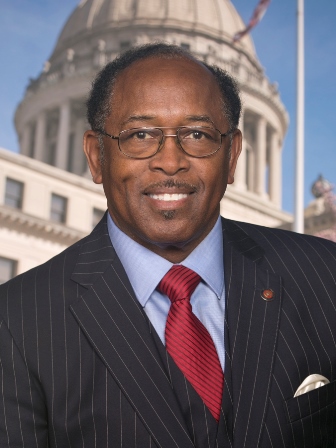
Summary — SB 2872
Title: Bonds; authorize issuance to Claiborne County to assist in paying costs of various capital improvement projects
Bill number: SB 2872
Subject: Finance
Primary sponsor: McKELVEY
Status: Died in Committee
Purpose and intent
SB 2872 sought to authorize the issuance of bonds to provide financial assistance to Claiborne County for the payment of costs associated with various capital improvement projects. The core intent, as reflected in the bill title, was to make debt financing available to the county to support capital investments (e.g., buildings, infrastructure, equipment), thereby enabling projects that might otherwise be delayed or unfunded.
Key provisions (based on available information)
The legislative record available to summarize is limited to the bill title and procedural history; the full bill text is not provided. From the title, the bill would have included these basic elements commonly found in bond-authorizing legislation:
- Authorization for the issuance of bonds designated to benefit Claiborne County.
- Use of bond proceeds to pay costs of multiple capital improvement projects (the title does not specify which projects).
- Provisions establishing how proceeds are disbursed and potentially how bonds are repaid or secured.
Because the full bill text is not included in the records provided, specific details such as the authorized dollar amount, bond terms (interest rates, maturity), repayment source (county revenue, state backing, pledge of specific funds), required local matches, project lists, or oversight/accountability provisions are not available.
Who would be affected
- Claiborne County government: primary beneficiary; would receive financing to complete capital projects.
- County residents and taxpayers: might benefit from improved infrastructure/services but could be affected by debt service obligations depending on repayment terms.
- Contractors and local businesses: could see increased work from funded capital projects.
- State fiscal operations: potential impact if the bonds involve state-level guarantees, shared repayment obligations, or influence on state debt capacity (details not specified).
Procedural history and timeline
The legislative action record shows multiple entries across 2024–2025. Key dates include:
- Introduced: January 19, 2024 (legislative action log) — Passed First Reading on January 22, 2024.
- Referred to committees in January–February 2024 (PSM/HOU, JDC; later re-referred to GVO/HOU, JDC).
- Referred to Finance: January 20, 2025 (later session action).
- Died In Committee: February 26, 2025 (final status shown).
- Additional entries show the bill was Received by the Secretary of the Senate and Filed on March 14, 2025; these dates appear inconsistent with the Died In Committee entry and may reflect clerical overlap between sessions or record-keeping errors.
Final status: SB 2872 did not advance out of committee and therefore did not become law.
Fiscal and practical implications
- Without the bill text or a fiscal note, the magnitude and timing of fiscal effects are unknown.
- If enacted, bond financing would likely enable completion or acceleration of capital projects in Claiborne County, with the tradeoff of creating debt service obligations. The precise impact on county budgets, taxpayers, and state finances would depend entirely on the amount authorized and the repayment structure.
Next steps for stakeholders
- Request the full bill text and any fiscal note or committee reports to assess specifics (authorized amount, repayment sources, eligible projects).
- If funding is still needed, stakeholders could seek reintroduction in a future legislative session, pursue alternative financing, or engage with legislators and the finance committee to address concerns that led to the bill dying in committee.