

WeVote

Bill

Bill

HB 1669

Bonds; authorize issuance to assist City of Byram with Alixandria Drive pipe replacement.

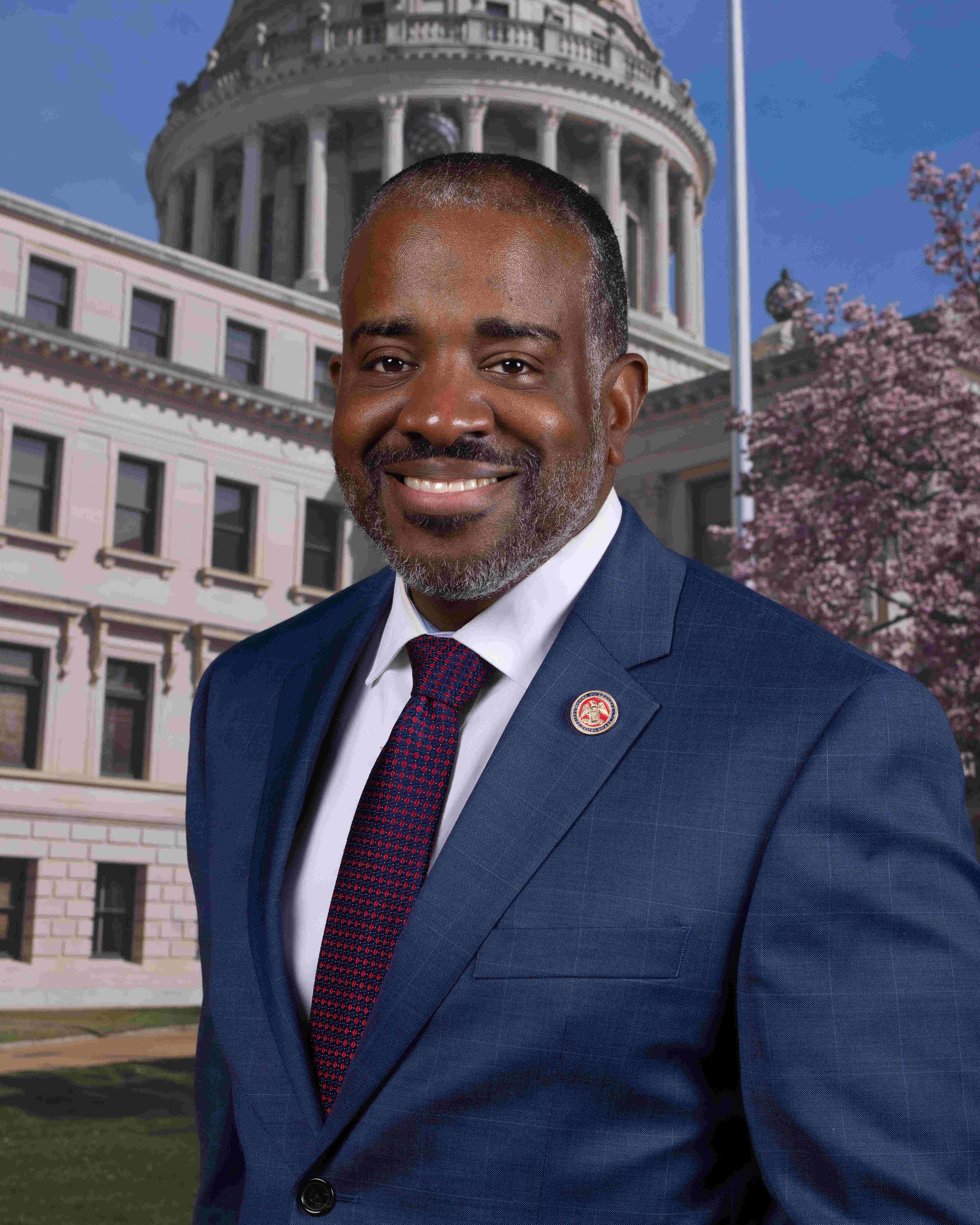
2025 Regular Session Introduced by Ronnie Crudup

Arkansas HB 1669 would shield faith-based foster/adoption agencies and individuals from state actions or disqualification when complying with their religious or moral beliefs in pl

Died In Committee
0
WeVote Research Nonpartisan
Bill Summary · HB 1669

Summary — HB 1669 ("Keep Kids First Act")

Note on documents provided: The materials include multiple different bills from different states that share the number “HB 1669.” This summary focuses on the Arkansas House Bill 1669 as presented in the provided “As Engrossed: S3/20/25” text (sponsored by Rep. Bentley and Sen. A. Clark), titled the “Keep Kids First Act.” Where the legislative status in the packet is inconsistent, I flag that at the end and recommend verifying the final disposition with the Arkansas legislative records.

Main purpose and intent

HB 1669 (Arkansas) would create the “Keep Kids First Act,” aimed at protecting adoption and foster‑care providers — particularly faith‑based private child placement agencies and individuals — from certain government actions when those providers refuse to participate in placements or related activities that conflict with their “sincerely held religious or moral beliefs.” The bill frames the protections as a conscience/free‑exercise accommodation intended to ensure faith‑based providers can continue offering placement services.

Key provisions and changes

  • Adds a new statutory section (proposed Arkansas Code § 9‑28‑417) described as a “Child welfare agencies — Conscience clause — Claim or defense.”
  • Definitions:
    • “Discriminatory action” is defined broadly to include, among other things, state actions that alter tax treatment, deny tax deductions, withhold or terminate grants/contracts/loans/benefits, impose fines or civil penalties, deny licenses/certifications/awards, or take adverse employment actions against a person with whom the state places custody of a foster or preadoptive child.
    • “State government” is defined expansively to include the state, political subdivisions, agencies, boards, courts, and persons acting under color of state law (and private persons enforcing state rules).
  • Substantive prohibitions:
    • The state government may not require a private child placement agency to perform, assist, counsel, refer, consent to, or otherwise participate in a foster/adoption placement that would violate the agency’s sincerely held religious or moral beliefs.
    • The state may not take “discriminatory action” against a person with whom the state places custody of a foster or preadoptive child based on that person’s sincerely held religious beliefs (including beliefs about raising a child consistent with those beliefs) or based on the person’s refusal to accept/support government policies on sexual orientation or gender identity that conflict with those beliefs.
    • The bill bars per‑se policies that would categorically exclude consideration of a prospective foster or adoptive parent based in whole or in part on the parent’s sincerely held religious beliefs regarding sexual orientation or gender identity.
  • The act expressly frames these protections as measures to preserve religious freedom and to maintain the availability of faith‑based placement providers.

Note: The provided excerpt is truncated before completion of certain exceptions and later subsections, and an amendment (Senate Amendment No. 1) made textual changes to subsection references.

Who would be affected

  • Directly: private child placement agencies and individuals (especially faith‑based organizations and staff) who place children for foster care or adoption, and prospective foster/adoptive parents acting on religious grounds.
  • Indirectly: state agencies and local governments that license, contract with, or regulate placement agencies; children and families served by the child welfare system; and other placement providers who may compete for placements.
  • Potentially affected legal relationships: eligibility for state contracts/grants, licensing and certification processes, tax treatment, and employment decisions tied to state placement programs.

Procedural / timeline notes & status

  • Introduced: December 18, 2024.
  • The provided Arkansas bill shows engrossed text dated 03/20/2025 and references a Senate Amendment No. 1. Several committee and floor actions are listed in the packet (reads, amendments, committee recommendations).
  • The packet also contains conflicting status notes (e.g., “Died In Committee” and a later “Notification that HB1669 is now Act 509”). Because the materials mix documents from different states and sessions, the final status for the Arkansas “Keep Kids First Act” is unclear from this packet.
  • Recommendation: confirm the bill’s final disposition (enacted, vetoed, failed, or tabled) and the effective date — if enacted — by consulting the official Arkansas General Assembly bill tracking (or the state register of acts) for 2025.

Potential impacts and considerations

  • Supporters would say the bill protects religious liberty of faith‑based placement providers and helps retain providers in the child welfare system.
  • Critics may raise concerns about conflicts with nondiscrimination obligations for prospective parents and with state obligations to place children without unlawful discrimination; possible legal conflicts with federal civil‑rights or equal‑protection standards could arise.
  • The broad definition of “state government” and “discriminatory action” could create avenues for administrative and judicial challenges and may affect how state agencies structure contracts, licensing, and placement criteria.

If you’d like, I can:
- Check and report the definitive final status and effective date for the Arkansas HB 1669 (Keep Kids First Act) using official 2025 Arkansas legislative records; or
- Prepare a side‑by‑side comparison of this Arkansas proposal with similar “conscience clause” or faith‑based placement laws in other states.

Compiled from official sources — confirm details with the bill’s official record.

Sign in to ask a question.