

WeVote

Bill

Bill

HR 847

BLOCK Act

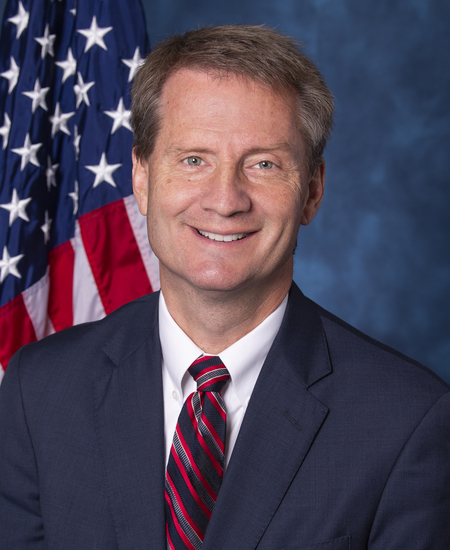
119th Congress Introduced by Tim Burchett and 1 co-sponsor

The BLOCK Act boosts K-12 education by funding infrastructure, supporting programs, and reducing resource disparities, especially in underserved communities.

Introduced in House
0
WeVote Research Nonpartisan
Bill Summary · HR 847

Summary of HR 847 - BLOCK Act

Overview

The Building Lasting Opportunities for Community K–12 Act, commonly referred to as the BLOCK Act, is a legislative proposal introduced in the House of Representatives on January 31, 2025. The bill aims to enhance educational opportunities and resources for K-12 schools across the United States.

Purpose and Intent

The primary intent of the BLOCK Act is to create sustainable and equitable educational environments in K-12 schools. The bill seeks to address disparities in educational resources and opportunities, particularly in underserved communities. By promoting lasting improvements in educational infrastructure and support, the BLOCK Act aims to foster better learning outcomes for all students.

Key Provisions

While the full text of the bill has not been detailed in the provided information, the following key areas are typically addressed in similar legislation:

  • Funding for Infrastructure Improvements: The bill may propose allocations for upgrading school facilities, ensuring they meet modern educational standards.

  • Support for Educational Programs: It could include provisions for funding innovative educational programs that enhance student engagement and learning.

  • Community Involvement: The act may emphasize the importance of community partnerships in developing and implementing educational initiatives.

  • Equity in Education: The BLOCK Act is likely to focus on reducing disparities in educational resources among different school districts, particularly those serving low-income families.

Affected Parties

The BLOCK Act would primarily impact:

  • K-12 Schools: Schools in underserved areas would benefit from increased funding and resources.

  • Students: The act aims to improve educational outcomes for students, particularly those from disadvantaged backgrounds.

  • Educators: Teachers and school staff may receive additional support and resources to enhance their teaching capabilities.

  • Communities: Local communities would be engaged in the educational process, fostering a collaborative approach to improving schools.

Legislative Process

  • Introduced: The BLOCK Act was introduced in the House on January 31, 2025.

  • Referred to Committee: Following its introduction, the bill was referred to the House Committee on Education and Workforce for further consideration.

Conclusion

The BLOCK Act represents a significant step towards improving K-12 education in the United States, particularly for communities that have historically faced challenges in accessing quality educational resources. As the bill progresses through the legislative process, further details on specific provisions and funding mechanisms are expected to be revealed.

Compiled from official sources — confirm details with the bill’s official record.

Sign in to ask a question.