

WeVote

Bill

Bill

HR 3505

Barriers to Suicide Act of 2025

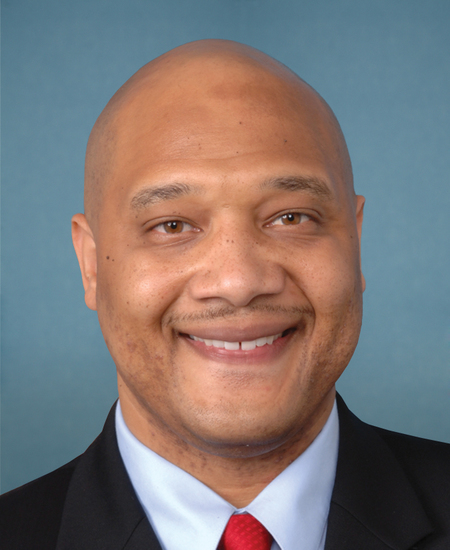
119th Congress Introduced by André Carson and 34 co-sponsors

The bill aims to remove barriers to accessing mental health services by improving resource access, outreach, and coordination across agencies to prevent suicide.

Introduced in House
0
WeVote Research Nonpartisan
Bill Summary · HR 3505

Legislative bill overview

H.R. 3505, the Barriers to Suicide Act of 2025, aims to address suicide prevention by focusing on identifying and mitigating barriers that prevent individuals from accessing mental health services and support. The bill proposes initiatives to improve mental health resource accessibility, increase community outreach, and fund programs that specifically target high-risk populations for suicide. It seeks to enhance coordination among federal, state, and local agencies to strengthen preventive measures and overall mental health care infrastructure.

Why is this important

Suicide remains a significant public health challenge in the United States, with many individuals unable to receive timely and effective intervention. This bill focuses on removing structural and systemic barriers that hinder access to mental health care, which is critical for early intervention and reducing suicide rates. Strengthening prevention strategies and improving resource availability can save lives and reduce the social and economic burden caused by suicide.

Potential points of contention

  • The bill may face scrutiny over the adequacy and allocation of funding, particularly whether proposed budgets are sufficient to address broad access issues effectively.
  • Some stakeholders might argue about the balance between federal oversight and state/local autonomy in mental health service provision.
  • There may be concerns about the bill's mechanisms for identifying and whether they sufficiently account for diverse community needs, including rural and marginalized populations.
  • Effectiveness of program implementation and measurable outcomes could be questioned, especially around accountability and tracking progress.
  • Potential privacy and data-sharing issues could arise given the emphasis on coordination among multiple agencies.

Compiled from official sources — confirm details with the bill’s official record.

Sign in to ask a question.