Bill
Sponsor avatar

BILL โ€ข US HOUSE

HR 8671

Bank Fraud Technology Advancement Act of 2026

119th Congress
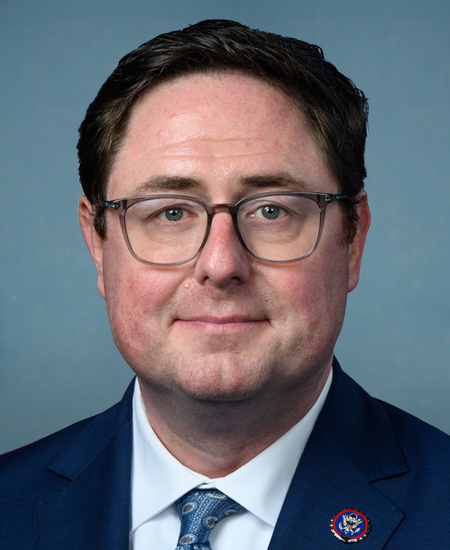
Introduced by Mike Flood, Brittany Pettersen,

The act modernizes bank fraud defenses with advanced analytics, real-time monitoring, secure data sharing, and privacy safeguards to curb cross-institution fraud.

Committee Consideration and Mark-up Session Held
0
0
Bill Summary ยท HR 8671

Summary of HR 8671 โ€” Bank Fraud Technology Advancement Act of 2026

Purpose and intent

  • The bill aims to strengthen the VerDate: The Bank Fraud Technology Advancement Act of 2026 seeks to enhance identification, prevention, and disruption of bank fraud through modernization of technology, data sharing, and regulatory cooperation.
  • It intends to equip financial institutions, regulators, and law enforcement with advanced tools to detect and deter fraudulent activity, particularly leveraging digital payment channels and emerging fintech ecosystems.

Key provisions and changes

  • Technology Modernization for Fraud Detection
    • Requires updates to anti-fraud systems used by banks and financial institutions to incorporate advanced analytics, machine learning, and real-time transaction monitoring.
    • Encourages standardized data schemas and interoperability to improve cross-institution analyses of suspicious activity.
  • Expanded Information Sharing
    • Creates framework for secure, timely sharing of fraud indicators among banks, regulators, and designated government agencies.
    • Establishes channels for sharing indicators of compromise, anonymized data, and threat intel while preserving consumer privacy.
  • Regulatory Requirements and Compliance
    • Financial institutions would need to implement specified fraud prevention controls and report fraud incidents and remediation actions to a designated oversight body.
    • May include periodic audits or assessments to verify compliance with technology and data-sharing obligations.
  • Enforcement and Oversight
    • Defines penalties for noncompliance or willful neglect in implementing mandated technologies and reporting.
    • Sets groundwork for a governing council or task force to oversee implementation, coordination with law enforcement, and evaluation of effectiveness.
  • Consumer Protection and Privacy Safeguards
    • Incorporates privacy protections when sharing data, including de-identification standards and limits on the use of shared information.
    • Ensures transparency requirements about data usage for fraud prevention purposes.

Who or what would be affected

  • Financial institutions: Banks, credit unions, and other federally regulated entities would be required to upgrade fraud-detection technologies, participate in information sharing, and comply with reporting.
  • Regulators and law enforcement: Federal and possible state partners would gain access to enhanced fraud intelligence and a coordinated framework for investigations.
  • Fintech and digital payments ecosystem: Providers involved in digital wallets, payment rails, and online merchant platforms may participate in shared indicators and comply with interoperability standards.
  • Consumers: Indirectly affected through strengthened protections against bank fraud and improved detection of unauthorized transactions, with privacy safeguards in place.

Procedural and timeline aspects

  • Introduction and referral: The bill was introduced in the House and referred to the Committee on Financial Services on May 7, 2026.
  • Committee action: A markup and consideration session was held on May 13, 2026.
  • Report status: The bill was ordered to be reported amended by a roll call vote of 52 yeas to 1 nay (as of May 13, 2026).
  • Next steps: If reported, the bill would proceed to the full House floor for debate and vote, followed by potential conference with the Senate if there are differences, and then a presidential signature or veto.

Practical impact and considerations

  • The act would incentivize modernization of bank fraud defenses across the financial system, potentially reducing fraud losses and rapid response times to suspected schemes.
  • Interoperability and data-sharing provisions aim to accelerate detection of cross-institution fraud patterns, while privacy safeguards seek to limit over-collection and misuse of personal information.
  • The effectiveness of the bill will depend on the specifics of the mandated technologies, privacy safeguards, funding for implementation, and the scope of participating entities.

Hi! I'm your AI assistant for HR 8671. I can help you understand its provisions, impacts, and answer any questions.

Key Provisions Impacts Timeline
Sign in to chat

Start the Conversation

Be the first to share your thoughts on this petition. Your voice matters!

Share your opinion above