

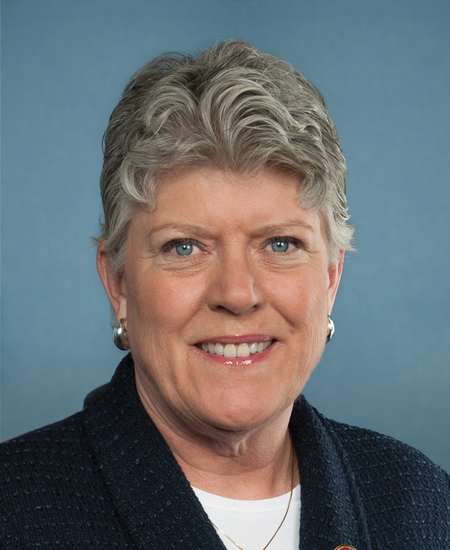
Aviation-Impacted Communities Act
HR 897 supports communities near airports by funding noise and air quality mitigation projects, requiring impact assessments, and enhancing public engagement.
The Aviation-Impacted Communities Act (HR 897) was introduced in the House of Representatives on January 31, 2025. The bill aims to address the challenges faced by communities affected by aviation activities, particularly those living near airports and flight paths.
The primary purpose of HR 897 is to provide support and resources to communities that experience negative impacts from aviation operations. This includes noise pollution, air quality degradation, and other environmental and health-related issues stemming from proximity to airports.
While the specific text of the bill is not provided, the following key provisions are typically expected in legislation of this nature:
Community Impact Assessments: The bill may require airports to conduct assessments to evaluate the impact of their operations on surrounding communities, focusing on noise levels and air quality.
Funding for Mitigation Projects: HR 897 could allocate federal funds to support projects aimed at mitigating the adverse effects of aviation, such as soundproofing homes, improving air quality, and enhancing community health services.
Public Engagement: The legislation may mandate that airports engage with local communities to discuss their concerns and involve them in decision-making processes regarding airport operations and expansions.
Health Studies: The bill might call for studies to assess the long-term health impacts on residents living near airports, providing data to inform future policies and funding allocations.
The following groups are likely to be affected by the provisions of HR 897:
Residents of Aviation-Impacted Communities: Individuals living near airports who experience noise and air quality issues would benefit from the proposed assessments and mitigation efforts.
Local Governments: Municipalities may receive federal support to implement community improvement projects and engage with residents regarding aviation impacts.
Airports and Aviation Authorities: Airports will be required to comply with new assessment and engagement requirements, potentially leading to changes in operations and funding allocations.
Current Status: As of February 1, 2025, HR 897 has been referred to the Subcommittee on Aviation after its introduction to the House Committee on Transportation and Infrastructure.
Next Steps: The bill will undergo review and discussion within the subcommittee, where amendments may be proposed before it is potentially brought to the floor for a vote.
The Aviation-Impacted Communities Act (HR 897) represents a legislative effort to address the challenges faced by communities living near airports. By focusing on community assessments, funding for mitigation, and public engagement, the bill aims to improve the quality of life for those affected by aviation activities. As it progresses through the legislative process, further details and specific provisions will be clarified.
Compiled from official sources — confirm details with the bill’s official record.
Sign in to ask a question.