

WeVote

Bill

Bill

HR 8911

AVERT Future Violence Act of 2026

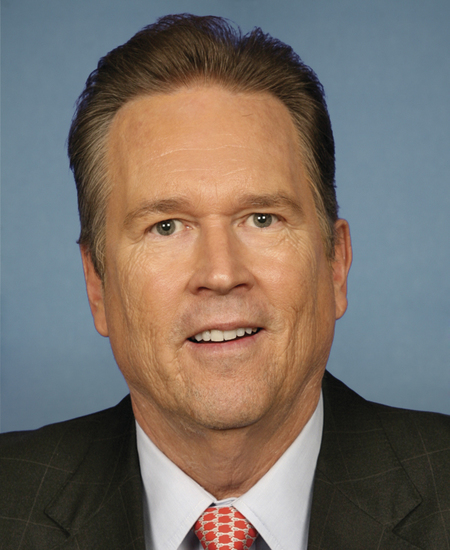
119th Congress Introduced by Vern Buchanan and 2 co-sponsors

The bill creates a coordinated national program to avert future violence through threat assessment, prevention funding, and multi-agency collaboration.

Introduced in House
0
WeVote Research Nonpartisan
Bill Summary · HR 8911

Overview

HR 8911, the AVERT Future Violence Act of 2026, is a House bill introduced in the 119th Congress. It has been referred to the House Committee on the Judiciary. The measure has three named co-sponsors: Vern Buchanan, Dina Titus, and Brian Fitzpatrick. At this time, the summary below reflects the publicly available introductory and sponsor information and any text provided with the bill as of introduction.

Purpose and intent

  • The bill appears designed to address future violence by providing mechanisms (likely funding, coordination, and actionable programs) to prevent or mitigate threats and acts of violence before they occur. The title suggests an emphasis on “AVERT” (a framework or program) aimed at reducing the likelihood of violent events, potentially involving law enforcement, mental health resources, threat assessment, and related interventions.
  • The objective is to establish or expand a structured approach to identifying, assessing, and responding to violent threats to improve public safety outcomes.

Key provisions and changes (as described or implied by the bill’s title and sponsorship)

  • Establishment or continuation of a national or federal program focused on averting future violence. This could include:
    • Threat assessment and risk evaluation processes.
    • Funding or support for state and local implementation of prevention strategies.
    • Multi-disciplinary coordination among law enforcement, courts, schools, public health, and community organizations.
  • Potential creation of reporting, data collection, and information-sharing requirements to identify rising threats while balancing civil liberties and privacy.
  • Support for training, guidelines, and best practices for identifying and responding to credible threats in various settings (e.g., schools, workplaces, online environments).
  • Possible grants or accountability measures to ensure states, localities, or relevant agencies implement prevention programs effectively.
  • Evaluation and performance metrics to assess the impact of AVERT-related initiatives over time.

Note: Without the full text, specifics such as exact programs, funding amounts, grant structures, eligibility criteria, and enforcement mechanisms cannot be confirmed. The above reflects common features of violence prevention or threat assessment bills and the bill’s title.

Who would be affected

  • Federal, state, and local government agencies involved in public safety, law enforcement, education, and health services.
  • Schools, universities, and other institutions implementing threat assessment and prevention programs.
  • State and local jurisdictions receiving federal funding or guidance under the AVERT framework.
  • Professionals in law enforcement, mental health, school safety, social services, and community organizations participating in threat assessment, prevention, and intervention activities.
  • General public, particularly in contexts where threat assessment data is collected or shared for safety purposes.

Procedural and timeline aspects

  • Introduced in the House and referred to the Judiciary Committee on May 19, 2026.
  • Co-sponsors include Rep. Vern Buchanan, Rep. Dina Titus, and Rep. Brian Fitzpatrick, signaling bipartisan support among some members.
  • At this stage, there may be committee hearings, potential markup, and subsequent floor action. Any funding authorizations, grant programs, or regulatory steps would typically be implemented through committee recommendations and eventual appropriations or statutory changes.

Potential impacts and considerations

  • Public safety: A coordinated prevention framework could improve early identification of credible threats and reduce violent incidents if effectively implemented.
  • Civil liberties and privacy: Data collection and threat reporting must balance safety with individual rights; transparency and oversight would be important considerations.
  • Federal-state-local dynamics: The bill could expand federal guidance and funding for state and local programs, influencing how localities design and deploy prevention efforts.
  • Evaluation: Success depends on clear objectives, measurable outcomes, and rigorous evaluation to determine which components are effective.

If you have access to the full bill text, I can provide a more precise, line-by-line summary of each provision, including any funding levels, grant programs, eligibility, reporting requirements, and timelines.

Compiled from official sources — confirm details with the bill’s official record.

Sign in to ask a question.