

WeVote

Bill

Bill

SF 1696

Automated license plate readers placed in certain highway rights-of-way authorization provision

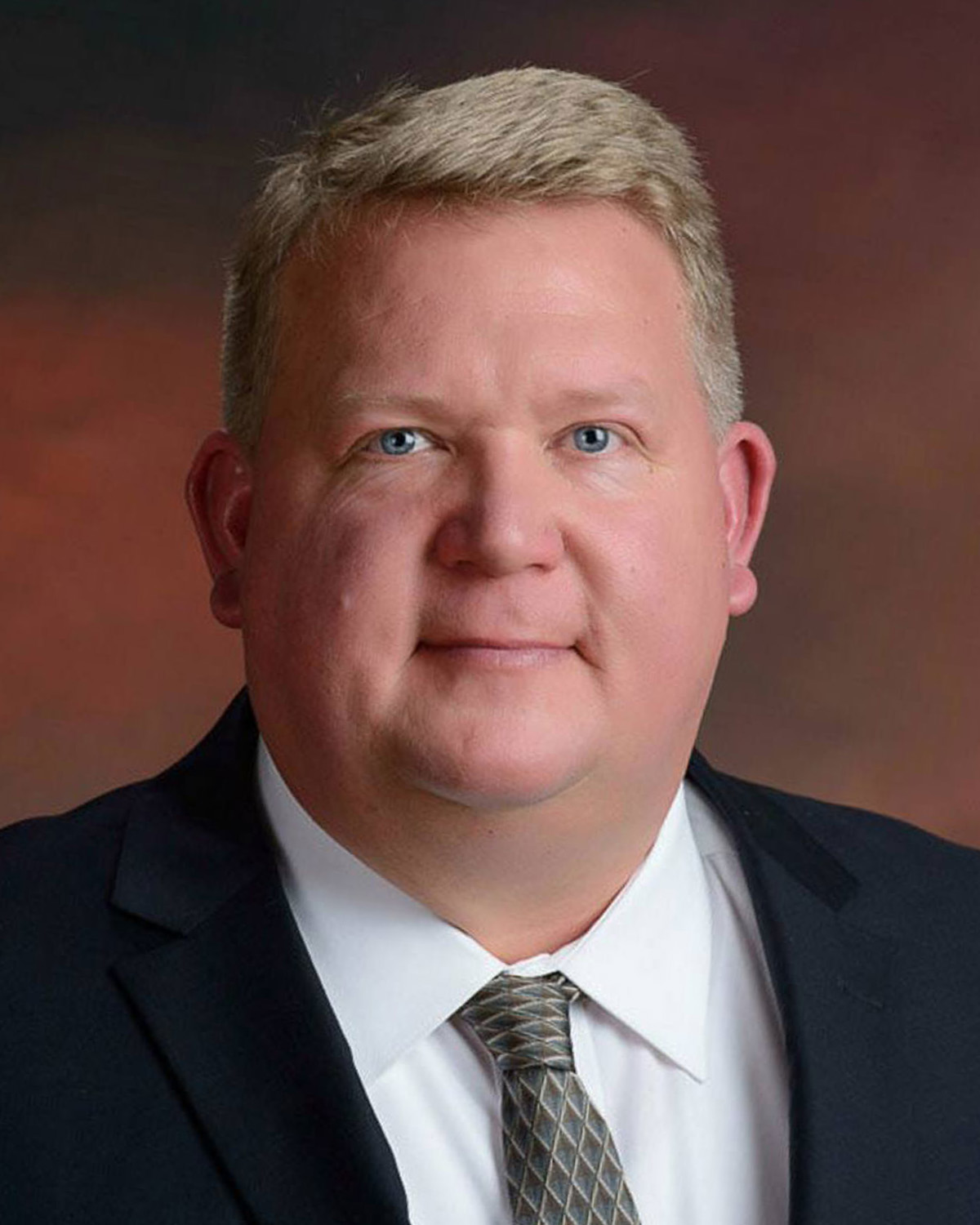
2025-2026 Regular Session Introduced by Rich Draheim

Authorizes placing automated license plate readers in designated highway rights-of-way to aid law enforcement and public safety, with oversight and rules to follow.

Referred to Transportation
0
WeVote Research Nonpartisan
Bill Summary · SF 1696

Summary of SF 1696 — Automated license plate readers placed in certain highway rights-of-way authorization provision

Overview

SF 1696 is a Minnesota Senate bill introduced on February 20, 2025, that proposes an authorization related to the use of automated license plate readers (ALPRs) in specific highway rights-of-way. The bill has been referred to the Transportation Committee. A companion bill exists in the House as HF 542.

  • Bill number: SF 1696
  • Title: Automated license plate readers placed in certain highway rights-of-way authorization provision
  • Status: Referred to Transportation
  • Introduced: February 20, 2025
  • Companion: HF 542

Purpose and intent

Based on the bill’s title, SF 1696 aims to authorize the placement and use of automated license plate readers in designated highway rights-of-way. The available information does not include the full text or specific restrictions, but the core intent appears to authorize ALPR deployment in highway areas to support law enforcement and public safety objectives.

Key provisions (as indicated by available information)

  • Authorization framework: The bill would authorize placing ALPRs in certain highway rights-of-way. (Specific locations, conditions, or limitations are not provided in the available material.)
  • Oversight and implementation details: Not specified in the provided summary. If enacted, the bill would likely outline regulatory or administrative requirements, but those details are not included here.
  • Relationship to related legislation: A companion bill exists in the House (HF 542), suggesting parallel or complementary provisions across chambers.

Note: The exact text, procedural steps, data governance, retention policies, access controls, privacy protections, funding, training, and accountability mechanisms are not included in the information provided.

Affected parties and systems

  • State agencies: Likely Minnesota Department of Transportation (for highway rights-of-way) and law enforcement agencies that would operate or utilize ALPR systems.
  • Public: Motorists and the general public may be affected by ALPR deployment, data collection, and potential enforcement activities.
  • Other stakeholders: Local governments or agencies with jurisdiction over highway corridors may be affected if the authorization extends to inter-jurisdictional rights-of-way.

Procedural and timeline aspects

  • Introduction and first reading: February 20, 2025
  • Committee assignment: Referred to Transportation (as of the provided information)
  • Related legislation: HF 542 (companion bill)

Potential impacts and considerations

  • Public safety and enforcement: ALPR deployment could enhance vehicle identification, crime solving, and traffic safety efforts.
  • Privacy and civil liberties: As with ALPR programs generally, considerations include data retention, access controls, use limitations, and surveillance implications.
  • Fiscal and operational considerations: Implementation would involve costs for equipment, data storage, maintenance, and training, as well as possible needs for policy development.
  • Regulatory framework: Likely to require specific rules or statutes governing when and how ALPR data may be collected, stored, accessed, and retained.

Next steps for readers

  • To understand the full scope, precise provisions, and potential privacy protections, review the full text of SF 1696 and any accompanying fiscal notes or analysis once available.
  • Monitor updates from the Transportation Committee and any action on HF 542 for parallel provisions.

Compiled from official sources — confirm details with the bill’s official record.

Sign in to ask a question.