

WeVote

Bill

Bill

A 2569

Authorizes the use of cool roofs on new or substantially renovated state-owned buildings

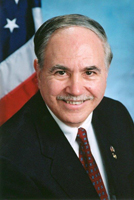
2025 Regular Session Introduced by William Colton and 6 co-sponsors

Authorizes state agencies to use cool roofs on new or substantially renovated state-owned buildings, reducing cooling energy use and urban heat, with standards to be defined.

REFERRED TO ENERGY
0
WeVote Research Nonpartisan
Bill Summary · A 2569

Summary: Bill A 2569 – Authorizes the use of cool roofs on new or substantially renovated state-owned buildings

Overview

  • Bill number and title: A 2569, "Authorizes the use of cool roofs on new or substantially renovated state-owned buildings."
  • Status: Referred to the Energy Committee.
  • Introduction date: January 17, 2025.
  • Legislative actions: On January 17, 2025, the bill was referred to Energy (listed twice in the record).
  • Sponsor information:
    • Primary sponsor: William Colton
    • Cosponsors: Nader Sayegh, Alicia Hyndman, Jo Anne Simon, Phil Steck, Brian D. Miller, Harvey Epstein

Purpose and intent

  • The bill seeks to authorize the use of cool roofs on state-owned buildings that are either newly constructed or undergo substantial renovation.
  • The underlying intent is to improve energy efficiency, reduce cooling loads, and contribute to broader environmental and urban heat mitigation goals for state facilities.

Key provisions (outlined from the bill’s title and status)

  • Authorization for cool roofs: Enables state agencies and related entities to use cool roofing materials on eligible projects (new construction or substantial renovations).
  • Scope of projects: Applies to state-owned buildings undergoing new construction or substantial renovation work.
  • Standards and definitions: The bill will typically define terms such as “cool roof” and “substantially renovated” and may specify reflectivity/emissivity standards or performance criteria to guide project selection; however, the exact definitions and standards are not provided in the summary.
  • Implementation framework: Likely to require guidance for agencies on when cool roofs should be considered (e.g., as part of energy efficiency specifications, procurement decisions, or architectural criteria). Specifics on process, cost considerations, or mandatory adoption are not detailed in the provided information.
  • Funding and cost considerations: No explicit funding provisions are listed in the summary; potential economic analysis or life-cycle cost considerations are typical elements but are not specified here.

Affected entities and stakeholders

  • State agencies and departments responsible for building design, construction, and maintenance (e.g., facilities management, general services/office of real property).
  • Architects, engineers, and construction contractors involved in state-led projects.
  • Procurement and sourcing offices that specify building materials and energy efficiency standards.

Procedural and timeline aspects

  • Committee referral: Energy Committee (common for bills dealing with energy efficiency and building standards).
  • Effective date (not specified): The summary does not provide an effective date; the bill would become law on a specified effective date if enacted, with implementation dictated by the text.
  • Relation to other bills: Related or companion bills exist in prior sessions (e.g., S 60, S 30, A 8521, A 4150, A 2028, S 2193, S 3359, S 967, S 5038), indicating ongoing interest in cool roofs or energy efficiency measures across bills.

Potential impact

  • Environmental/energy efficiency: Potential reduction in cooling energy use for state facilities, contributing to lower greenhouse gas emissions and improved thermal performance.
  • Economic considerations: Upfront costs for cool roof materials may be offset by long-term energy savings; actual cost-effectiveness would depend on project specifics and life-cycle analyses to be detailed in the bill or accompanying analyses.
  • Urban heat mitigation: Depending on widespread adoption, could contribute to reducing urban heat island effects around state campuses and facilities.

Summary

A 2569 proposes to authorize the use of cool roofs on state-owned buildings undergoing new construction or substantial renovations. While the core idea is straightforward—expand the use of reflective, energy-saving roofing—the exact standards, implementation details, and fiscal implications will be determined as the bill advances through the Energy Committee and, potentially, through subsequent legislative stages. The bill has several related companion and prior-session bills, reflecting ongoing interest in incorporating energy-efficient roofing into state building practices.

Compiled from official sources — confirm details with the bill’s official record.

Sign in to ask a question.