

WeVote

Bill

Bill

A 6672

Authorizes the governor to fill vacancy in the office of lieutenant-governor on confirmation of both houses of the legislature

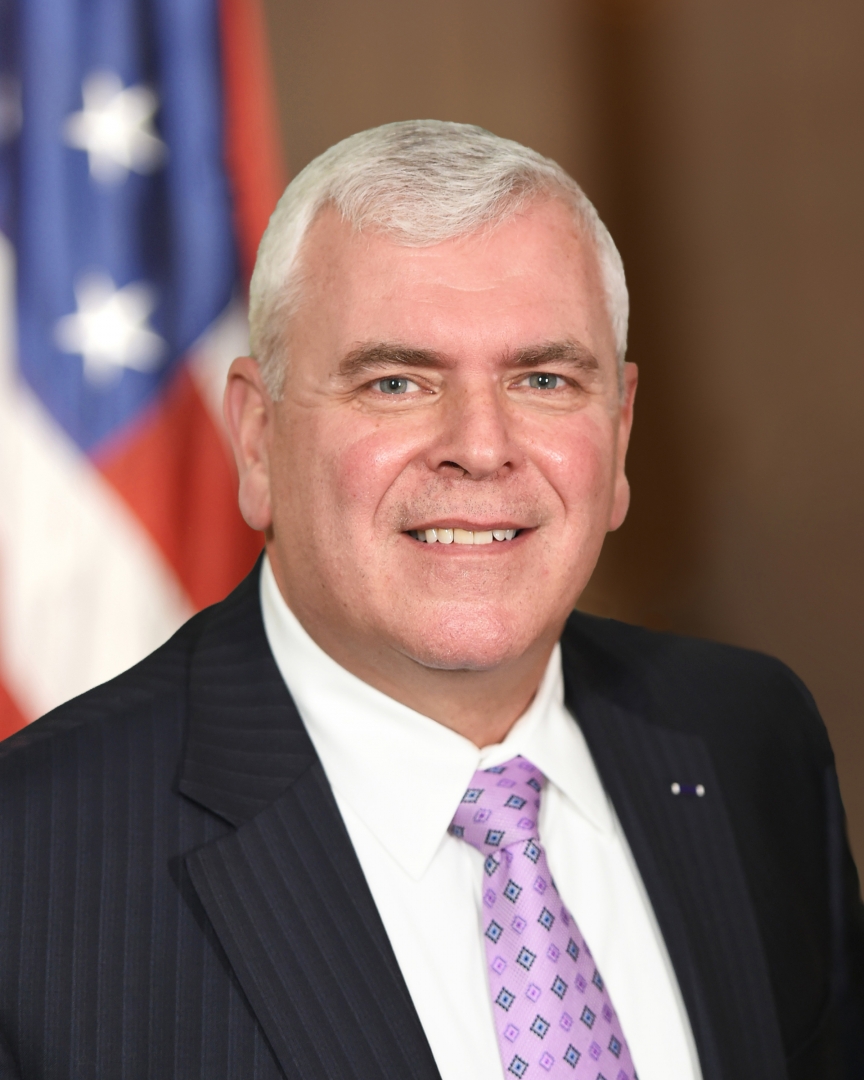
2025 Regular Session Introduced by Joe Angelino and 1 co-sponsor

Authorizes the governor to appoint a lieutenant governor to fill a vacancy, but requires bicameral (Senate and Assembly) confirmation before taking office.

OPINION REFERRED TO JUDICIARY
0
WeVote Research Nonpartisan
Bill Summary · A 6672

Summary of Bill A 6672

What the bill does

  • A 6672 would authorize the governor to fill a vacancy in the office of lieutenant-governor, but requires confirmation by both houses of the legislature (the Senate and the Assembly).

Purpose and intent

  • To establish a formal process for filling a vacancy in the lieutenant-governor’s office, ensuring that any interim appointment receives legislative oversight and confirmation from both chambers.

Key provisions (as indicated by the bill’s description)

  • Appointment authority: The governor is given the power to appoint a lieutenant-governor to fill a vacancy.
  • Legislative confirmation: The appointed individual must be confirmed by both the Senate and the Assembly before assuming office.
  • Vacancy triggers: The bill’s text (not provided here) would specify when a vacancy occurs (e.g., death, resignation, removal, or other vacancy events) and when the appointment may take effect pending or following confirmation.

Note: The exact procedural steps, eligibility criteria for the appointee, term length, and how the vacancy is triggered are not detailed in the information provided. The operative mechanics would be defined in the bill’s full text.

Affected parties and impact

  • Governor: Gains a formal appointment power to fill vacancy in the lieutenant-governor’s office.
  • Lieutenant-governor appointee: Would be subject to eligibility requirements and must secure confirmation from both legislative houses.
  • Senate and Assembly: Must provide bicameral confirmation, introducing a legislative check on the governor’s appointment.
  • General public and state governance: Aims to ensure continuity of executive leadership with legislative oversight.

Procedural status and timeline

  • Introduced: March 7, 2025.
  • Current status: Opinion referred to Judiciary (indicating the bill is undergoing a constitutional or legal review).
  • Legislative actions timeline:
    • March 7, 2025: Referred to Judiciary
    • March 11, 2025: Referred to Attorney-General for Opinion
    • March 24, 2025: Opinion referred to Judiciary (noted twice)
  • This sequence suggests the bill is in early-stage consideration, pending a legal opinion and potential committee action.

Sponsors and related bills

  • Primary sponsor: Michael Tannousis
  • Co-sponsor: Joe Angelino
  • Related/companion and prior-session bills (examples): S 1330, S 589, S 7682, S 1163, S 2687, S 785, A 8243, A 5189, S 5592 (companion)
    • The existence of multiple related bills, including a companion in the Senate (S 5592), indicates ongoing interest in addressing lieutenant-governor succession across sessions.

Potential implications and considerations

  • Democratic accountability: The requirement for bicameral confirmation creates a legislative check on a gubernatorial appointment.
  • Continuity of government: Provides a clear path to address vacancies without waiting for a standard election cycle or temporary appointment without legislative oversight.
  • Political dynamics: Could influence the speed and nature of succession, depending on confirmation timelines and political alignment between the executive and legislative branches.

Next steps for readers

  • Monitor for the Attorney General’s opinion and any Judiciary Committee hearings or amendments.
  • Track floor actions in both the Assembly and Senate for passage or rejection.
  • Review the bill’s full text for specifics on vacancy triggers, qualifications, term length, and any interim provisions.

Compiled from official sources — confirm details with the bill’s official record.

Sign in to ask a question.