

WeVote

Bill

Bill

A 6788

Authorizes the denial of renewal of professional, business or trade licenses where a taxpayer has outstanding tax debt which the taxpayer has failed to settle

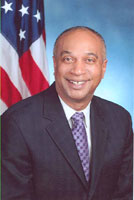
2025 Regular Session Introduced by Gary Pretlow

Authorizes licensing authorities to deny renewal of professional, business, or trade licenses with unpaid tax debt.

REFERRED TO WAYS AND MEANS
0
WeVote Research Nonpartisan
Bill Summary · A 6788

Summary of Bill A 6788

Overview

  • Bill number: A 6788
  • Title / Purpose (as stated): Authorizes the denial of renewal of professional, business or trade licenses where a taxpayer has outstanding tax debt which the taxpayer has failed to settle.
  • Introduced: March 14, 2025
  • Status: REFERRED TO WAYS AND MEANS
  • Primary sponsor: J. Gary Pretlow
  • Legislative action to date: Referred to Ways and Means on 2025-03-14 (duplicate entry also listed)

What the bill would do

  • The bill authorizes licensing authorities to deny the renewal of licenses for professionals, businesses, or trades if the licensee has an outstanding tax debt that has not been settled.
  • In practical terms, this creates a linkage between tax debt collection and the renewal of professional or business licenses, potentially allowing state agencies to suspend or deny license renewals until tax obligations are resolved.

Key provisions and changes (based on available information)

  • Articles of consequence are not detailed in the provided summary. The following aspects are typically addressed in such bills and may be included in the full text:
    • Definition of “outstanding tax debt” (e.g., total amount due, penalties, interest, and whether settlements or payment plans count as “settled”).
    • Scope of licenses covered (which professions, trades, or business licenses are affected).
    • Process for determining eligibility to renew (notice requirements, timeframes to cure debt, and any grace periods).
    • Remedies or avenues for relief (appeals, hardship exemptions, or opportunities to enter payment agreements).
    • Due process protections (opportunity to contest the debt or the renewal decision).
    • Effective date and any transitional provisions.

Note: The full text would specify these provisions; the current summary only states the bill’s general objective.

Who would be affected

  • Taxpayers/licensees: Individuals and entities holding professional, business, or trade licenses who also have outstanding state tax debt.
  • Licensing authorities: State or other government boards/agencies responsible for renewing licenses in professional, business, or trade sectors.
  • Tax authorities: State tax agencies enforcing collection and determining what constitutes “outstanding debt” for purposes of license renewal.

Procedural and timeline aspects

  • The bill has been referred to the Ways and Means committee, indicating a focus on fiscal impact and revenue considerations.
  • No further committee actions or floor timelines are provided in the available information.

Potential impacts and considerations

  • Fiscal impact: Could improve tax collection and compliance; may affect state revenues if licensing renewals are tied to debt resolution.
  • Public protection: May help ensure professionals and businesses operating under licenses are compliant with tax obligations.
  • Due process and fairness: Potential concerns about notice, hearing rights, and equitable treatment; details would depend on the final text.
  • Administrative burden: Licensing agencies may require processes to verify debt status and manage renewal denials or appeals.

Related matters

  • Related bills in prior sessions include A 1415, A 3716, A 9323, A 9418, A 774, A 1895, A 1852, and A 3489, indicating ongoing interest in linking tax compliance with license renewal.

Next steps

  • Await full text to review specific definitions, procedures, timelines, and exemptions.
  • If advanced, the bill would move through additional committees and, ultimately, floor consideration with potential amendments.

Compiled from official sources — confirm details with the bill’s official record.

Sign in to ask a question.