

WeVote

Bill

Bill

A 6330

Authorizes renewals to the court of appeals based on a subsequent change in law

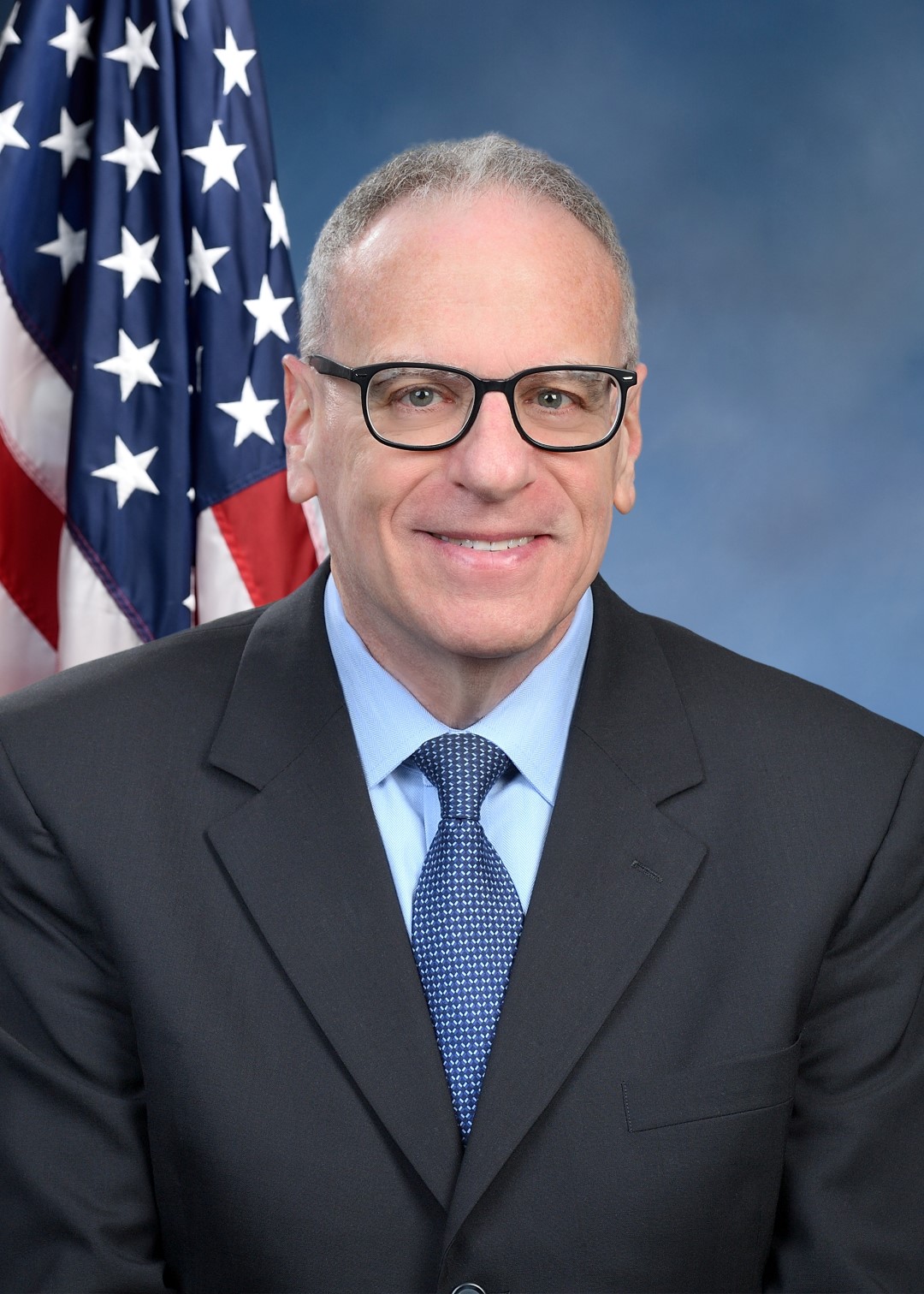
2025 Regular Session Introduced by Jeffrey Dinowitz and 2 co-sponsors

NY bill allows parties to request appellate court renewals if subsequent legal changes could affect original decisions, potentially reopening settled cases but risking judicial backlogs and unpredictability.

REFERRED TO JUDICIARY
0
WeVote Research Nonpartisan
Bill Summary · A 6330

Legislative bill overview

A6330 would allow parties to request renewal of cases in New York's appellate courts when there has been a subsequent change in law that could affect the court's original decision. This creates a new mechanism for reopening decided cases based on legal developments that occurred after the appeal was concluded, rather than traditional grounds like newly discovered evidence or legal error.

Why is this important

This bill directly impacts finality of litigation and access to justice. It could allow litigants a second chance if courts interpret laws differently post-decision, but it also risks destabilizing settled judgments and creating unpredictable caseloads for appellate courts. The practical effect depends heavily on how "subsequent change in law" is defined and applied.

Potential points of contention

  • Finality vs. Justice: Reopening decided cases undermines the principle of finality that allows parties to move forward, but may correct injustices caused by legal evolution
  • Workload and Predictability: Appellate courts already face backlogs; this could dramatically increase renewal motions and create uncertainty about when cases are truly concluded
  • Definition Ambiguity: The bill's scope depends on undefined terms—what constitutes a "change in law" (new statutes, court reinterpretations, constitutional rulings?) and how recent must it be?
  • Unequal Access: Well-funded litigants with legal resources may exploit this mechanism more effectively than ordinary parties

Compiled from official sources — confirm details with the bill’s official record.

Sign in to ask a question.