

WeVote

Bill

Bill

A 4831

Authorizes local water and sewerage authorities to charge fees for surface runoff

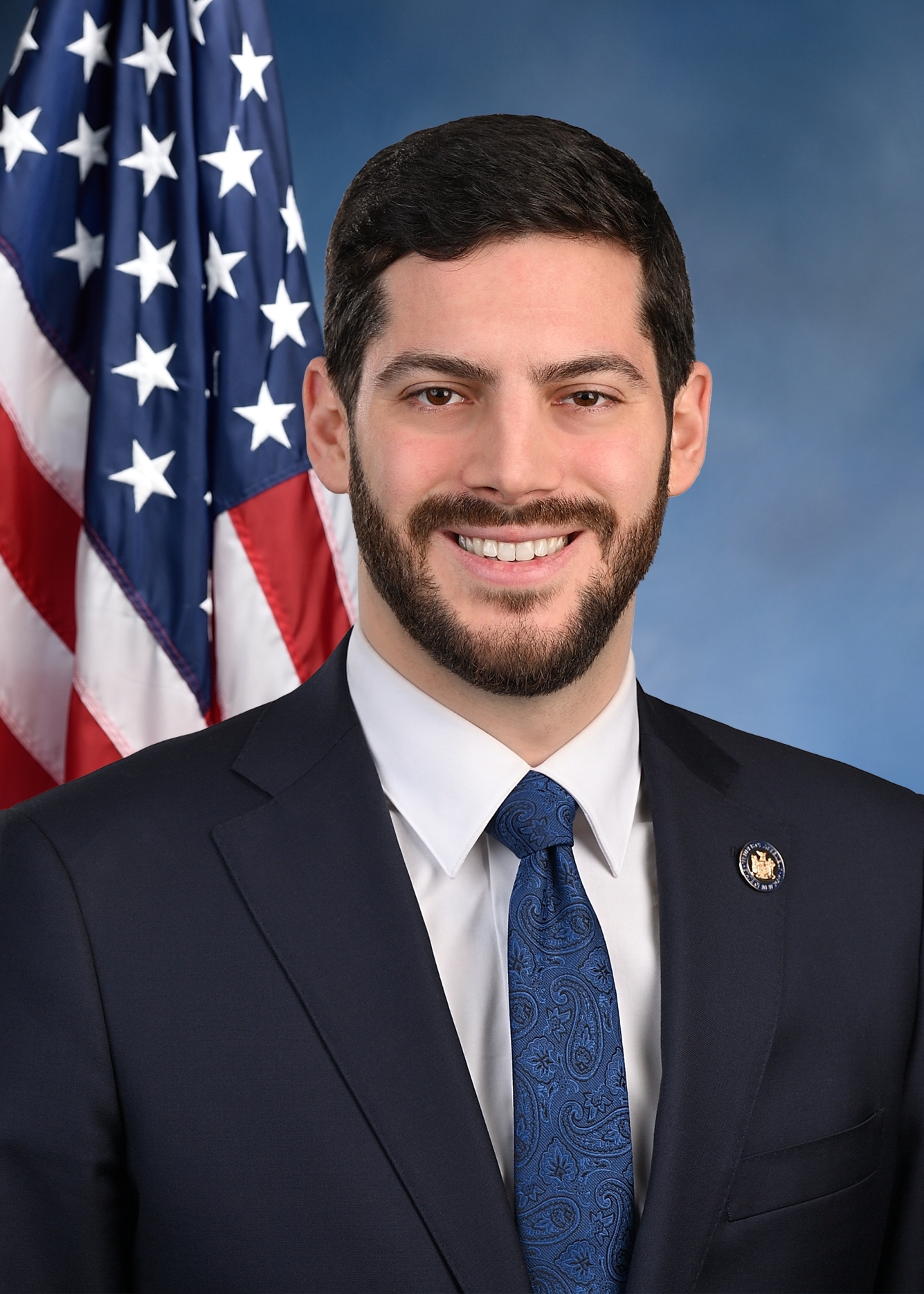
2025 Regular Session Introduced by Alex Bores and 13 co-sponsors

Authorizes local water and sewer authorities to levy surface runoff fees to fund stormwater management, flood protection, drainage upgrades, and water quality programs.

REFERRED TO ENVIRONMENTAL CONSERVATION
0
WeVote Research Nonpartisan
Bill Summary · A 4831

Summary of Assembly Bill A 4831 – Authorizes local water and sewerage authorities to charge fees for surface runoff

Overview

A 4831 would authorize local water and sewerage authorities to establish and impose fees specifically for surface runoff. Introduced on February 6, 2025, the bill was initially referred to the committees overseeing corporations, authorities and commissions, and later references indicate a move to the Environmental Conservation committee. The bill comprises a framework to enable authorities to fund stormwater management activities through dedicated runoff fees.

Purpose and intent

  • Provide local water and sewerage authorities with the legal authority to charge fees related to surface runoff.
  • Create a potential revenue source to fund stormwater management, water quality protection, flood mitigation, and related infrastructure needs.
  • Align with environmental conservation goals by enabling funding mechanisms for runoff control and green инфраструктure programs.

Key provisions (what the bill would do)

  • Authorize local authorities to levy fees tied to surface runoff; the bill’s language would specify who can be charged, how fees are determined, and how revenue is collected and used.
  • Establish the eligible purposes for runoff fee revenue (e.g., infrastructure upgrades, maintenance of drainage systems, stormwater management programs, watershed protection efforts).
  • Subject to regulatory and administrative details that would be fleshed out in the bill text (e.g., fee calculation methodology, billing, exemptions, and oversight).

Note: The provided information does not include the full text, so specific design features (e.g., rate structure, assessment bases, exemptions, deadlines, or how funds are deposited and tracked) are not disclosed here and would be defined in the enacted bill.

Affected entities and scope

  • Local water and sewerage authorities would gain authority to impose surface runoff fees.
  • Potentially affected parties include property owners and users within the jurisdiction of the relevant authorities, depending on the fee structure and exemptions established in the final bill.

Legislative history and status

  • Introduced: February 6, 2025.
  • Initial referral: Corporations, Authorities and Commissions (February 6, 2025).
  • Subsequent action: Reference changed to Environmental Conservation (March 7, 2025) — indicating a shift in committee assignment or focus to environmental and conservation considerations.
  • Related bills from prior sessions: A 9445 and A 4019 (indicating ongoing interest in runoff/funding mechanisms).

Sponsors

  • Primary sponsor: Emily Gallagher.
  • Cosponsors: MaryJane Shimsky, Linda Rosenthal, Chris Burdick, Jo Anne Simon, Jessica Gonzalez-Rojas, William Colton, Maritza Davila, Zohran Mamdani, Tony Simone, Phara Souffrant Forrest, Alex Bores, Karines Reyes, Anna Kelles, plus several others listed as cosponsors.

Potential impact and considerations

  • Fiscal: Creates a potential new revenue stream for stormwater management, which could fund infrastructure improvements and environmental programs.
  • Environmental: Could improve water quality and reduce flood risk through better runoff management.
  • Equity and policy design: Real-world implementation would require careful design to address exemptions, size of fees, impact on residents and small businesses, and transitional provisions. Local tailoring could be needed to avoid disproportionate burdens on vulnerable communities.
  • Administrative: Implementation would involve setting up billing, fee collection, enforcement, and oversight mechanisms, as well as ensuring alignment with state and federal environmental requirements.

Next steps and what to watch in the bill text

  • Review the exact fee structure: assessment basis (per impervious surface area, parcel-based, or other), rate levels, exemptions, and caps.
  • Determine eligible uses of revenue and any requirements for safeguards or reporting.
  • Note any transition provisions for authorities currently implementing similar programs or constraints under existing law.
  • Monitor amendments in Environmental Conservation committee and any fiscal impact statements.

Compiled from official sources — confirm details with the bill’s official record.

Sign in to ask a question.