

WeVote

Bill

Bill

A 7972

Authorizes a plaintiff commencing an action alleging conduct constituting a sexual offense or a civil offense involving the transmission of HIV shall have the right to proceed anonymously

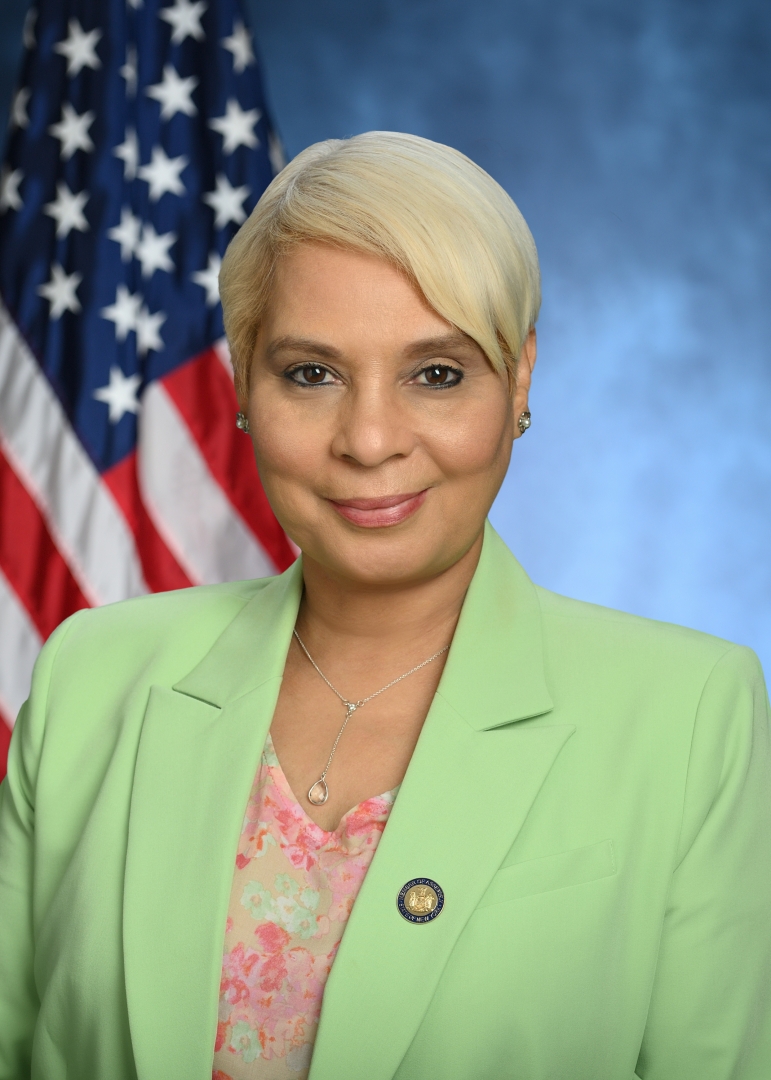
2025 Regular Session Introduced by Maritza Davila and 8 co-sponsors

Bill A 7972 allows plaintiffs in sexual-offense and HIV-transmission cases to file anonymously, protecting privacy while courts ensure due-process and proper notice.

REFERRED TO GOVERNMENTAL OPERATIONS
0
WeVote Research Nonpartisan
Bill Summary · A 7972

Summary of Bill A 7972

Overview

Bill A 7972 would authorize a plaintiff who brings an action alleging conduct constituting a sexual offense or a civil offense involving the transmission of HIV to proceed anonymously. The measure aims to enhance privacy and safety for plaintiffs in these sensitive cases.

What the bill would do

  • Permit anonymity for plaintiffs in two categories of actions:
    • Actions alleging conduct constituting a sexual offense
    • Civil actions involving transmission of HIV
  • The bill would specify the mechanisms by which anonymity is to be maintained in filings and court proceedings (the exact procedural methods will be defined in the full text of the bill).

Who would be affected

  • Plaintiffs filing lawsuits in the specified categories would have the option to proceed anonymously.
  • Defendants in such actions, as well as witnesses and potentially public records, would be affected by changes to how identities are disclosed in filings and in court records.
  • Courts and clerks would implement procedures to protect anonymity while ensuring due process and the ability to establish and defend claims.

Procedural status and timeline

  • Introduced: April 16, 2025.
  • Status: Referred to Governmental Operations (on April 16, 2025; the action is listed twice, reflecting the committee referral).
  • Next steps: The bill would proceed through the Governmental Operations committee for consideration, potential amendments, and votes. If advanced, it would move to the full Assembly and then to the Senate (as applicable) for passage and eventual signature or veto by the governor.

Potential implications and considerations

  • Privacy and safety: Anonymity could reduce risk of stigma, retaliation, or harassment for plaintiffs.
  • Due process and enforcement: The bill will need to balance anonymity with the defendant’s right to discovery, notice, and the ability to mount a defense; mechanisms (such as temporary anonymization with court-approved identifying information) will be important.
  • Public records and transparency: Anonymity could affect the availability and content of public court records, potentially requiring safeguards to protect privacy while maintaining public accountability.
  • Post-judgment issues: How judgments, settlements, and appeals would be handled if identities remain confidential.

Sponsors

  • Primary sponsor: Amy Paulin
  • Cosponsors: Judy Griffin, MaryJane Shimsky, Andrew Hevesi, Linda Rosenthal, Jessica Gonzalez-Rojas, Maritza Davila, Phil Steck, David McDonough

Note: The full text would provide precise definitions, limitations, and procedural mechanisms for implementing anonymity in these cases.

Compiled from official sources — confirm details with the bill’s official record.

Sign in to ask a question.