

WeVote

Bill

Bill

SF 1692

Authority for exclusive representatives removal to charge fair share fees

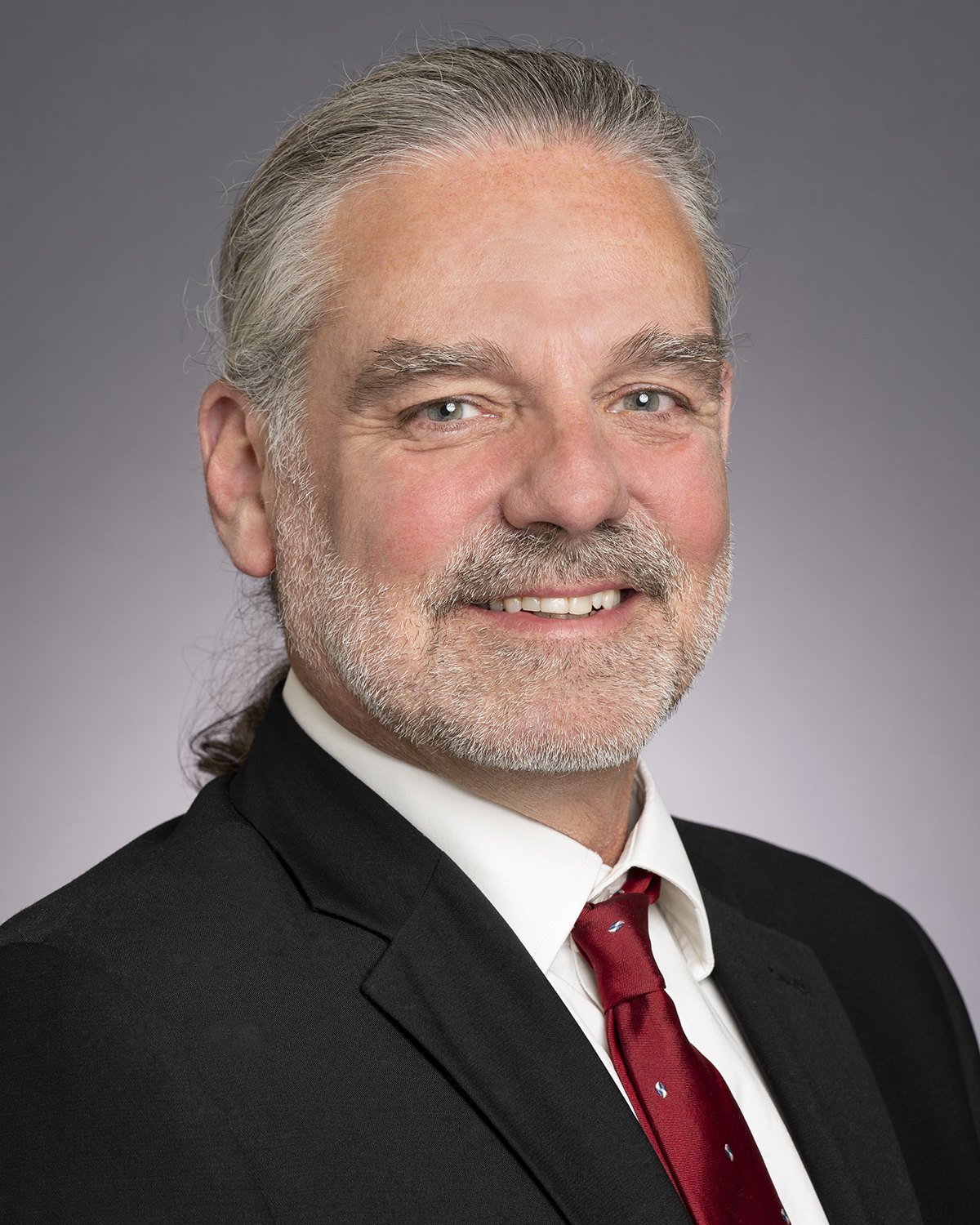
2025-2026 Regular Session Introduced by Cal Bahr and 1 co-sponsor

Authorizes unions to charge non-member employees fair-share fees for collective bargaining representation, raising union revenue but potentially conflicting with constitutional protections.

Referred to State and Local Government
0
WeVote Research Nonpartisan
Bill Summary · SF 1692

Legislative bill overview

SF 1692 would authorize exclusive union representatives to charge "fair share fees" to non-member employees who benefit from collective bargaining agreements. These fees, often called agency fees or fair-share fees, represent a portion of union dues paid by non-members in exchange for union representation in workplace negotiations. The bill specifically addresses situations where unions represent all employees in a bargaining unit, regardless of membership status.

Why is this important

Fair-share fees remain legally contentious following the 2018 U.S. Supreme Court decision in Janus v. AFSCME, which ruled that public sector employees cannot be required to pay union fees without affirmative consent. This bill would attempt to establish a mechanism for unions to recover costs for representing non-members, directly affecting union revenue, worker finances, and workplace relations across Minnesota. The outcome could reshape union financing models and employee compensation structures statewide.

Potential points of contention

  • Post-Janus constitutionality: The bill may conflict with Supreme Court precedent prohibiting mandatory fair-share fees for public employees without explicit consent, making legal challenges likely
  • Fairness and equity debate: Opponents argue non-members shouldn't pay for union representation they didn't choose; supporters contend workers shouldn't receive union benefits without contributing
  • Union financial impact: The provision directly affects union operational capacity and revenue, creating strong organizational interests on both sides of the debate

Compiled from official sources — confirm details with the bill’s official record.

Sign in to ask a question.