

WeVote

Bill

Bill

SB 3250

$AUDITOR GEN-OCE

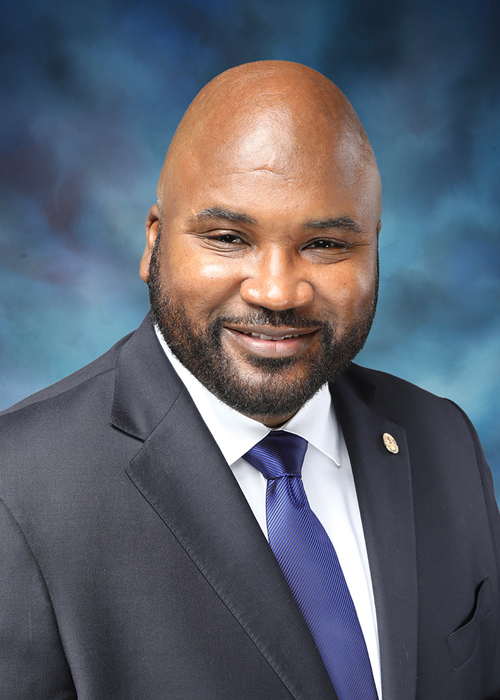
104th Regular Session Introduced by Elgie Sims

Creates an independent Auditor General to audit state agencies and programs, with broad authority, reporting to the Legislature and access to records.

Referred to Assignments
0
WeVote Research Nonpartisan
Bill Summary · SB 3250

Bill Summary: SB 3250 (104th Illinois Session) – Auditor General-OCE

Purpose and intent

  • SB 3250 establishes or reorganizes a formal Office of the Auditor General within the Illinois framework (as indicated by the title “AUDITOR GEN-OCE”). The bill aims to strengthen independent financial auditing, oversight, and accountability for state programs and related entities.
  • The presence of a co-sponsor (Elgie Sims) signals bipartisan or cross-chamber support, though the exact partisan alignment is not specified here.

Key provisions and changes

  • Creation/Designation: The bill designates an Auditor General within the Office of Communication and Events (OCE) or a similarly named statutory entity, with authority to conduct audits of state agencies, programs, and possibly local or quasi-public entities receiving state funds.
  • Audit authority and scope:
    • The Auditor General would have the power to perform performance audits, financial audits, and compliance audits.
    • Investigations may cover efficiency, effectiveness, economy of operations, and adherence to laws and regulations.
  • Independence and reporting:
    • The Auditor General operates with independent status, reporting findings to the legislature and potentially to an oversight committee or the Chief Executive, depending on the exact statutory structure.
    • Required annual or periodic audit reports would be submitted to the General Assembly, with recommendations for corrective actions.
  • Access and data collection:
    • Agencies and entities receiving state funds would be required to provide access to records, documents, and relevant information to the Auditor General.
    • Protections for sensitive information and confidentiality provisions may be included, alongside procedures for handling protected data.
  • Administrative and governance provisions:
    • Appointment, term length, removal, and staffing requirements for the Auditor General.
    • Budgetary autonomy or funding mechanisms to ensure independent operations.
    • Establishment of audit standards, reporting formats, and timelines for audits and follow-up on findings.
  • Penalties and enforcement:
    • Provisions may include mandated corrective actions, timelines for implementing recommendations, and potential penalties or sanctions for non-compliance or obstruction of audits.

Who would be affected

  • State agencies, departments, and programs that spend or manage state funds.
  • Quasi-governmental entities, state universities, hospitals, or other public bodies receiving state dollars, depending on the bill’s scope.
  • Internal auditors and compliance offices within affected entities may need to coordinate with the Auditor General.
  • Legislators and oversight committees that rely on audit findings to shape policy and budget decisions.

Procedural and timeline considerations

  • Filing and committee process: As a Senate bill, SB 3250 would proceed through the Senate committees (e.g., Assignments, Rules, or Executive) and then potentially to the full Senate for a vote, followed by House consideration if applicable.
  • Effective date: The bill would specify an effective date (e.g., upon enactment or a future date), with phased implementation possibly over several months to years.
  • Transition timeline: If an existing audit agency is reorganized into the Auditor General/OCE structure, a transition plan would outline transfer of staff, resources, and ongoing audits.

Potential impact and implications

  • Enhanced accountability: A strengthened Auditor General could improve transparency, deter waste, fraud, and abuse, and provide the General Assembly with more robust, independent assessments.
  • Budget and operations: Agencies may need to adjust record-keeping practices, data sharing, and internal controls to accommodate audit requirements.
  • Policy influence: Audit findings could influence legislative priorities, program reforms, and funding decisions.

If you have access to the full text, I can extract exact provisions, definitions, and timelines to refine this summary further.

Compiled from official sources — confirm details with the bill’s official record.

Sign in to ask a question.