

WeVote

Bill

Bill

SF 4811

Assisted living facility design requirements exemption for certain facilities provision

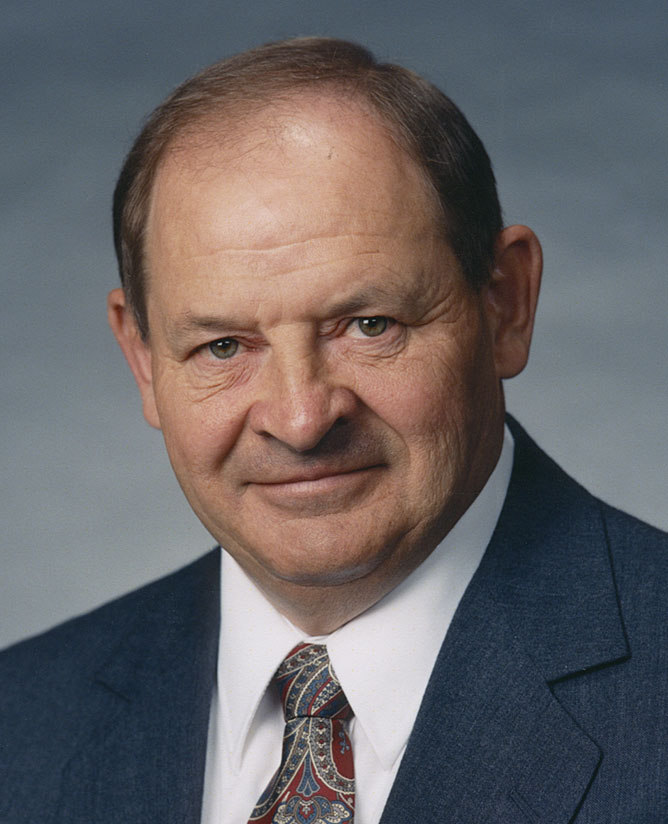
2025-2026 Regular Session Introduced by Gary Dahms

The bill would exempt certain designated assisted living facilities from specific design requirements, potentially speeding construction and access to services.

Referred to Human Services
0
WeVote Research Nonpartisan
Bill Summary · SF 4811

Summary: SF 4811 (2025-2026) – Assisted Living Facility Design Requirements Exemption for Certain Facilities

Purpose and Intent

SF 4811 proposes an exemption from certain design requirements for specific assisted living facilities. The bill appears to tailor regulatory standards for a subset of facilities, potentially to reduce construction or operating burdens and accelerate availability of services. The sponsor is Gary Dahms, with co-sponsorship noted, and the measure was introduced and referred to the Human Services committee on March 25, 2026.

Key Provisions (Proposed Changes)

  • Design Requirements Exemption: The central provision provides an exemption from particular assisted living facility design standards for designated facilities. While the exact design standards exempted are not enumerated in the summary, the bill aims to relieve certain regulatory design constraints that otherwise apply to assisted living settings.

  • Targeted Applicability: The exemption likely applies to a defined subset of facilities that meet specified criteria (e.g., facility type, size, location, funding sources, or other regulatory classifications). The precise qualifying criteria would be specified in the bill’s text.

  • Scope of Exemption: The exemption may relate to physical design elements such as room layout, common spaces, safety features, or other architectural standards typically required for assisted living facilities. It could also affect compliance timelines or inspection requirements tied to design.

  • Relation to Existing Law: The exemption would modify how current Minnesota statutes and administrative rules governing assisted living facility design are applied to the targeted facilities, while not necessarily altering other compliance obligations (e.g., staffing, operations, resident care standards) unless the bill explicitly ties design exemptions to broader regulatory changes.

Who Would Be Affected

  • Facilities Eligible for the Exemption: The intended beneficiaries are facilities that meet the bill’s qualifying criteria. These facilities would have relief from specified design requirements that currently apply under Minnesota law and regulations.

  • Residents and Families: Potentially faster access to new or expanded living options within the exempted facilities, with the caveat that resident safety and quality considerations are still governed by other applicable standards.

  • Regulatory Agencies: State agencies responsible for licensing, design review, and enforcement for assisted living facilities would administer the exemption, including determining eligibility and ensuring that any remaining safety and quality controls are maintained.

Procedural and Timeline Aspects

  • Introductory Action: Introduced and read for the first time on March 25, 2026.

  • Referral: Referred to the House (or appropriate chamber) Human Services committee on March 25, 2026.

  • Next Steps: If advanced, the bill would undergo committee hearings, potential amendments, and floor votes in the Minnesota Legislature. Enactment would typically require passage by both chambers and signature by the governor, subject to any conference committee actions if needed.

Potential Implications

  • Benefits: May reduce construction and startup costs for eligible facilities, shorten time to serve residents, and encourage development of assisted living options within the exempted category.

  • Risks and Considerations: Exemptions from design requirements could raise concerns about resident safety, accessibility, and long-term sustainability. The bill would need to balance regulatory flexibility with protections provided by design standards.

If you have access to the bill text, I can provide a more precise section-by-section breakdown and pinpoint the exact design provisions being exempted, as well as the specific qualifying criteria for facilities.

Compiled from official sources — confirm details with the bill’s official record.

Sign in to ask a question.