

WeVote

Bill

Bill

SB 673

Asset forfeiture; requiring forfeiture proceedings follow related criminal convictions. Effective date.

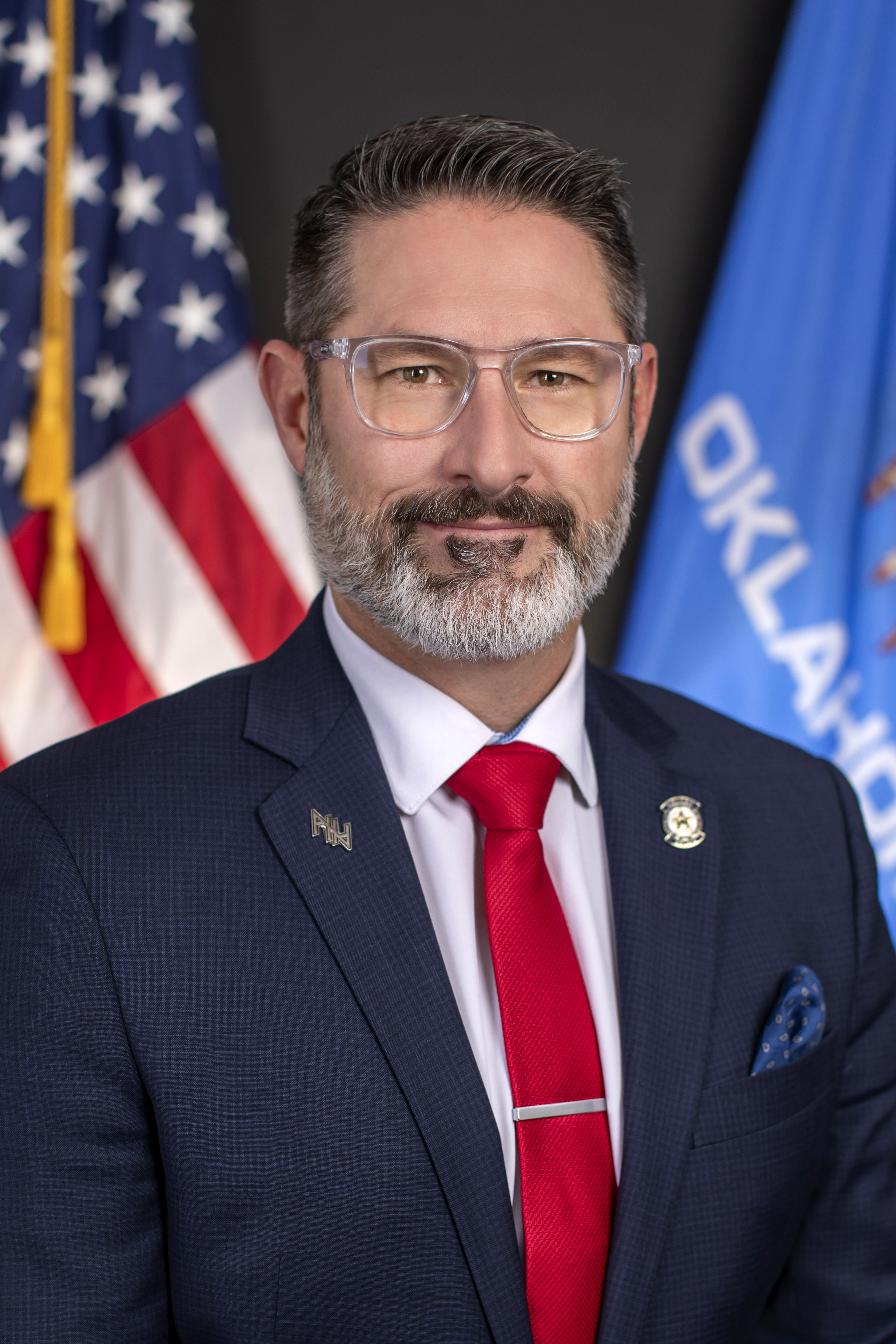
2025 Regular Session Introduced by Dusty Deevers

Oklahoma bill requiring asset forfeiture to follow criminal conviction rather than allowing independent civil seizure, strengthening property owner protections against law enforcement action.

Second Reading referred to Judiciary
0
WeVote Research Nonpartisan
Bill Summary · SB 673

Legislative bill overview

SB 673 modifies Oklahoma's asset forfeiture laws to require that forfeiture proceedings be dependent upon or follow related criminal convictions. Currently, Oklahoma allows civil asset forfeiture independent of criminal prosecution. This bill would create a nexus requirement between criminal guilt and property seizure.

Why is this important

Asset forfeiture is a high-stakes issue affecting property rights and due process. Currently, law enforcement can seize assets without conviction, placing the burden on citizens to prove their property's innocence. This change would provide stronger protections for property owners by tying seizures to actual criminal convictions, reducing the potential for abuse.

Potential points of contention

  • Law enforcement concerns: Police and prosecutors may argue this reduces their tool for disrupting criminal enterprises, especially in drug trafficking and organized crime cases where convictions take time
  • Definition ambiguity: The bill's language "related to" criminal convictions is broad—unclear whether indirect connections qualify or if only property directly tied to convicted crimes can be forfeited
  • Practical implementation: Questions remain about timing (can forfeiture occur during trial?) and what happens to seized assets if conviction is later overturned or dismissed

Compiled from official sources — confirm details with the bill’s official record.

Sign in to ask a question.