

WeVote

Bill

Bill

HR 9442

Artificial Intelligence Data Center Moratorium Act

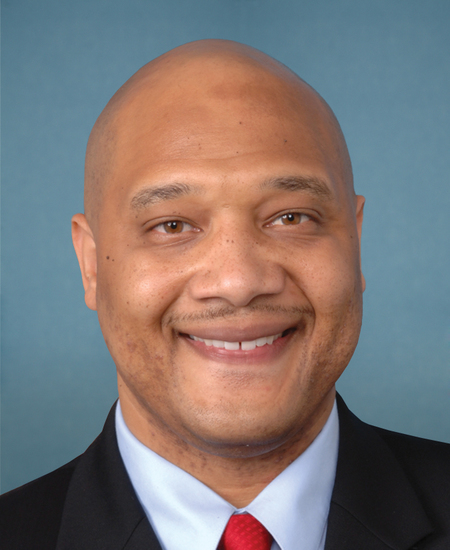
119th Congress Introduced by André Carson and 8 co-sponsors

The bill would temporarily pause certain AI data-center construction and operations to address energy, environmental, and national security concerns, with oversight and a sunset.

Introduced in House
0
WeVote Research Nonpartisan
Bill Summary · HR 9442

Purpose and intent

  • The Artificial Intelligence Data Center Moratorium Act aims to pause certain activities related to the construction and operation of artificial intelligence (AI) data centers.
  • The central goal is to address concerns about energy usage, environmental impact, and national security considerations associated with large-scale AI infrastructure.

Key provisions and changes

  • Moratorium Scope: The bill would impose a temporary halt on specific categories of AI data center development and operation. (Details such as the exact duration, geographic scope, and activities covered would be specified in the text of the bill; summary here reflects the moratorium concept.)
  • Regulatory Action: Likely requires federal agencies (notably those involved in energy, environmental review, and commerce) to implement rules or standards to effectuate the moratorium, including any permitting, licensing, or review requirements.
  • Reporting and Oversight: Provisions may require federal agencies to report on data-center projects, monitor compliance with the moratorium, and assess impacts on technology development, energy consumption, and regional economies.
  • Sunset or Termination: The bill typically includes a mechanism to end the moratorium after a defined period or upon completion of certain milestones, with potential extensions subject to legislative action.
  • Compliance and Enforcement: Rules outlining penalties or remedies for noncompliance, and processes for exemptions or exceptions under stated criteria.

Who/what would be affected

  • AI Data Centers: Construction, expansion, and potentially certain operational activities tied to AI data centers would be directly impacted.
  • Technology and Cloud Providers: Companies developing and operating large-scale AI infrastructure would be subject to moratorium-related requirements and timelines.
  • Local Governments and Communities: Jurisdictions hosting data centers may experience regulatory changes, permitting delays, or economic effects tied to paused projects.
  • Energy and Environmental Regulators: Federal agencies would implement and enforce moratorium provisions, including environmental review processes and energy-use assessments.

Procedural and timeline considerations

  • Introduction and Referral: The bill was introduced in the House and immediately referred to the Committee on Energy and Commerce and the Committee on Foreign Affairs, indicating parallel jurisdiction concerns (energy infrastructure, environmental impact, and related national security or foreign affairs considerations).
  • Sponsor and Support: A bipartisan list of sponsors and co-sponsors, including notable members from diverse caucuses, signaling broad congressional interest.
  • Next steps: If advanced, the bill would proceed through committee deliberations, potential amendments, floor consideration, and, if passed, potential conference action with the Senate. The exact timeline would depend on committee activity and floor scheduling.

Summary assessment

  • The bill represents a regulatory pause on AI data-center development to address environmental, energy, and strategic concerns while evaluating broader implications for innovation and national security.
  • It would create a federal framework to halt or suspend certain AI data-center projects for a defined period, with oversight and sunset/extension mechanisms.
  • Stakeholders likely to be affected include AI infrastructure providers, technology firms, local governments hosting data centers, and energy regulators.

Note: For precise provisions (definitions of “data center,” duration of the moratorium, exemptions, geographic applicability, enforcement penalties, and reporting requirements), the full text of HR 9442 should be consulted, as the summary above outlines the bill’s general intent and structure based on the introduced measure.

Compiled from official sources — confirm details with the bill’s official record.

Sign in to ask a question.