

WeVote

Bill

Bill

SB 855

Appropriations: department of environment, Great Lakes, and energy; appropriations for fiscal year 2026-2027; provide for. Creates appropriation act.

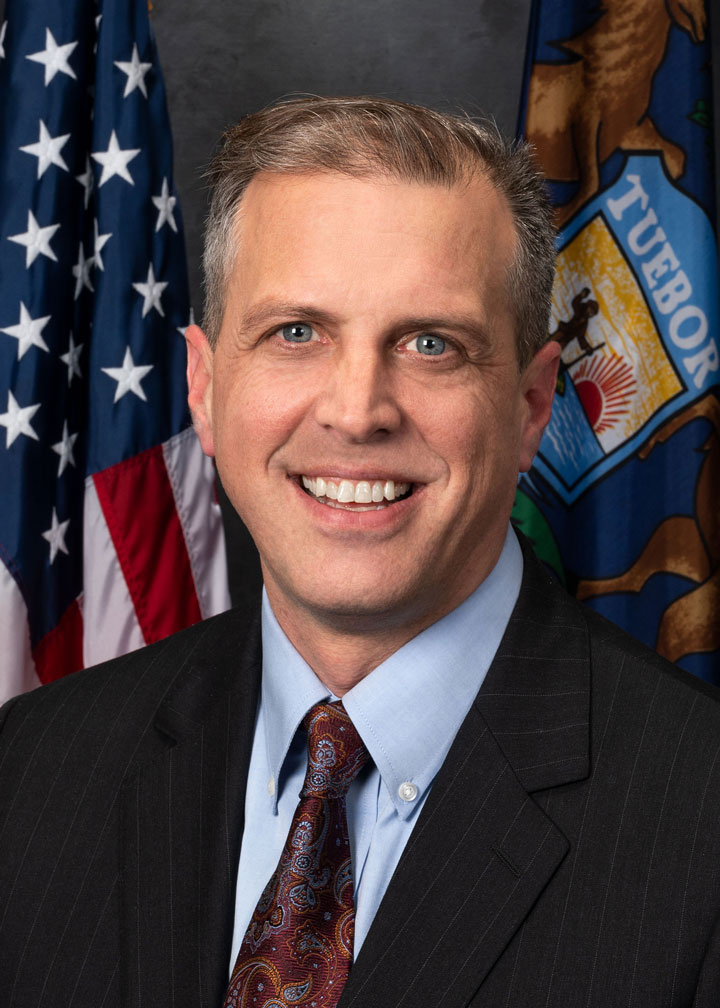
2025-2026 Regular Session Introduced by Jeff Irwin

Allocates EGLE funding for FY 2026-27, including one-time programs for climate resilience and local infrastructure, while cutting prior-year one-time appropriations.

REFERRED TO COMMITTEE OF THE WHOLE WITH SUBSTITUTE (S-1)
0
WeVote Research Nonpartisan
Bill Summary · SB 855

Summary of Bill: SB 855 (2025-2026) – Michigan

What the bill does

SB 855 is an appropriations bill that provides and authorizes funding for the Michigan Department of Environment, Great Lakes, and Energy (EGLE) for the fiscal year ending September 30, 2027. It establishes the expenditure plan for EGLE and outlines changes from the prior year’s budget, including one-time appropriations, ongoing adjustments, and program funding.

Main purpose and intent

  • To allocate state resources to support EGLE’s programs and operations for FY 2026-27 (and alignment for the 2027 fiscal year in the accompanying budget materials).
  • To implement specific one-time funding initiatives intended to address climate resilience, local infrastructure, and energy initiatives, while removing certain FY 2025-26 one-time allocations.

Key provisions and changes

  • Overall funding level (FY 2026-27 Senate subcommittee recommendation):
    • Total gross: approximately $967.7 million (prior year $945.0 million).
    • Adjusted gross after intergovernmental and restricted funds: about $963.6 million.
    • Federal funds: about $464.3 million.
    • Local and private funds: about $1.4 million.
    • General Fund/General Purpose (GF/GP): about $170.1 million (proposed) reduced to $111.8 million in the final recommended version.
    • Payments to locals: about $59.1 million proposed, down to $20.4 million in the recommendation.
  • Net state spending for EGLE (GF/GP and related state funds) declines relative to current year by about $23.8 million (4.8%), due largely to reallocation and removal of prior one-time funding and shifts to restricted funds.
  • Major boilerplate changes (as of the Senate recommendation):
    • Deleted several boilerplate sections (e.g., public reports, E-Verify, small business rules, permitting reports, etc.).
    • Modified sections: Internet reporting requirements and legislatively directed spending.
    • Introduced new boilerplate: sections on SFRF automatic reappropriation and expenditure deadlines, boilerplate appropriations report, asbestos inspection fund carryforward, and a Geothermal Energy Network Revolving Loan Fund.
  • One-time and targeted programs:
    • Geothermal Energy Network Revolving Loan Fund: $3.0 million (GF/GP) as a one-time appropriation to establish a revolving loan fund.
    • Local Infrastructure Preparedness and Protection Program: $2.0 million (GF/GP) as a one-time appropriation to assist local governments with climate vulnerability assessments.
    • Removal of FY 2025-26 one-time and supplemental appropriations: a net reduction of $64.0 million of prior-year one-time funding (including water SRF, water infrastructure, modernization, geological survey, and permitting guidebooks).
    • Water Resources Program Fund Swap: Replaces $1.905 million GF/GP with restricted funds from land and water permit fees.
  • Ongoing changes (non-CSB and CSB):
    • Various fee adjustments proposed (tipping fees, water resources fees, hazardous waste fees, underground gas storage fees) to support ongoing funding.
    • Economic adjustments and internal CSB structural adjustments to reflect current organizational alignment.

Who/what is affected

  • EGLE and its programs will receive the appropriations and related administrative changes.
  • Local governments may be impacted by the new one-time funding for climate vulnerability assessments.
  • Stakeholders in water resources, hazardous waste, and energy programs may see fee adjustments intended to support ongoing funding.
  • State funds and budgetary mechanics (SFRF reappropriation, expenditure deadlines, and reporting requirements) will influence how funds are tracked and reported.

Procedural and timeline aspects

  • The bill was introduced around March 2026 and advanced through the Senate Appropriations process in April 2026.
  • It features a formal budget subcommittee recommendation (S-1) and then a Senate Appropriations recommendation, with a clear sequence of changes from FY 2025-26 enacted to FY 2026-27 proposed.
  • Notable action history includes committee reassignment, a reported favorable status with substitute (S-1), and referral to the Committee of the Whole with substitute.

If you’d like, I can provide a more detailed line-item breakdown or compare SB 855 to the FY 2025-26 enacted budget.

Compiled from official sources — confirm details with the bill’s official record.

Sign in to ask a question.