

WeVote

Bill

Bill

HB 1831

Appropriation; Tennessee Williams Home and Welcome Center in Columbus for maintenance and repairs.

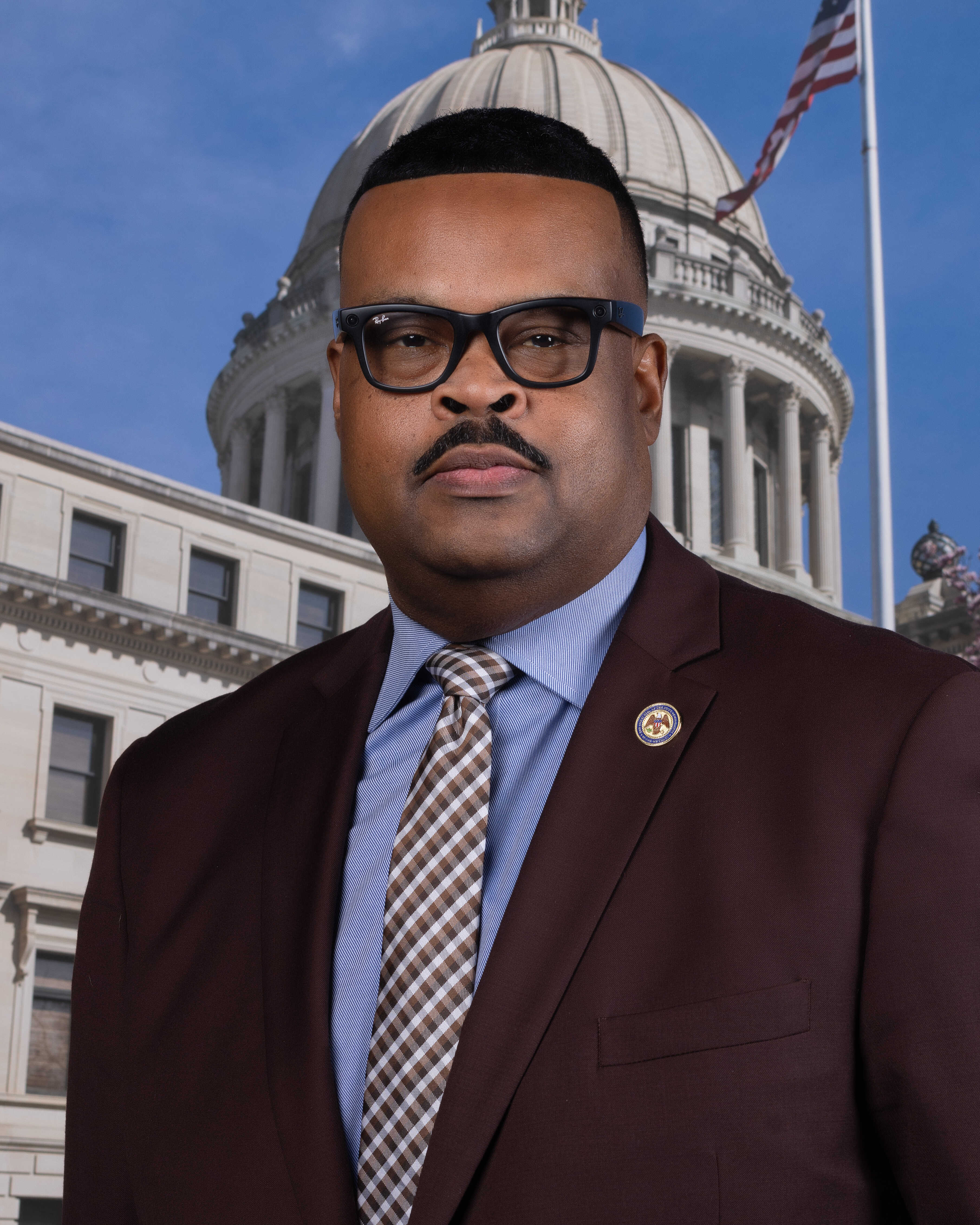
2025 Regular Session Introduced by Kabir Karriem

Clarifies how Arkansas settlement/civil-penalty funds are received, disbursed, and reported, boosting transparency for consumers, agencies, and oversight bodies.

Died In Committee
0
WeVote Research Nonpartisan
Bill Summary · HB 1831

Summary — HB 1831

Status: Died In Committee (per provided metadata).
Introduced: January 13, 2025.
Classification/Subject: Appropriations A (but supplied text includes multiple, conflicting versions).
Related bill noted: SB 1431 (companion)

Note up front: the provided materials appear to conflate multiple different drafts and amendments from different states and sessions. The bill packet includes (a) an Arkansas statutory amendment concerning the Attorney General’s use of settlement/civil-penalty funds (Ark. Code § 25-16-718) and (b) a substantially different House amendment that would replace the text with amendments to the Illinois Counties Code (55 ILCS 5/5‑1005) expanding county powers (including nuisance/ noise abatement). Because the record is inconsistent, the authoritative status should be confirmed from the official legislative website of the relevant state. This summary describes the two principal substantive texts found in the file.

Purpose / Intent

  • Arkansas text: Clarify how the Attorney General receives, accounts for, and disburses settlement and civil‑penalty funds and to increase reporting and transparency about those funds.
  • Illinois text (House Amendment): Update the Counties Code to enumerate and clarify county powers, including explicitly authorizing counties to declare and abate nuisances such as sound amplification, construction noise, and off‑road vehicle noise.

Key provisions (Arkansas version)

  • Amends Ark. Code § 25‑16‑718 (Use of settlement and civil penalty funds).
  • Requires the Attorney General to create and maintain accounts to receive settlement/judgment funds.
  • Lists permitted distributions including:
    • Restitution to Arkansas consumers or state agencies (or other court‑designated uses).
    • Payment of attorney fees or civil penalties (cites §§ 4‑88‑113 subsections).
    • Cash funds to state agencies with a nexus to the underlying litigation.
    • Payment for the Attorney General’s personal services, operating expenses, or grants.
  • Strengthens quarterly reporting requirements to the Legislative Council or Joint Budget Committee, requiring:
    • Case name and amount received for each court order/settlement.
    • A plan for disbursement and itemization of specific activities funded.
    • Identification and rationale if funds are paid to specific external entities and current balances of unappropriated settlement cash funds.
    • Reports due by the 15th day of the month after each quarter.

Key provisions (Illinois Counties Code replacement text)

  • Amends 55 ILCS 5/5‑1005 to restate and expand the enumerated powers of counties.
  • Explicitly provides counties power to declare what constitutes nuisances and to take measures to abate them — listing examples: sound amplification, construction noise, noise from off‑road vehicles.
  • Otherwise largely reprints or reorganizes long-standing county powers (purchasing/holding real property, creating parks, hospitals, senior services, economic development, etc.)

Who would be affected

  • Arkansas version: Attorney General’s Office, Arkansas consumers, state agencies, recipients of settlement funds, entities that might receive grants or reimbursements from settlement/civil-penalty funds; legislative oversight bodies (more reporting burden).
  • Illinois version: County governments and residents in Illinois; businesses and individuals subject to local nuisance regulation (sound/noise regulations).

Fiscal and procedural impacts

  • Arkansas text could shift how settlement funds are held and spent (more explicit permissible uses) and increases transparency/legislative oversight — may affect AG operating budgets and timing of restitution/allocations.
  • Illinois text grants or clarifies local regulatory authority — potential local enforcement costs or new compliance obligations for regulated actors.
  • Procedural timeline in supplied record is inconsistent and appears to combine actions from multiple legislatures/sessions. The metadata provided lists “Died In Committee” (Feb 26, 2025). Because the record contains contradictory action entries (including passed/enrolled language), consult the official legislature website (state-specific) for definitive status and the version of text that was actually considered.

If you want, I can: (1) pull a clean, state‑specific chronology and authoritative text from the relevant state legislative website, or (2) produce a redlined comparison between the Arkansas §25‑16‑718 current law and the proposed Arkansas amendments. Which would you prefer?

Compiled from official sources — confirm details with the bill’s official record.

Sign in to ask a question.