

Bill

BILL • US HOUSE

HR 2884

Anti-Racism in Public Health Act of 2025

119th Congress
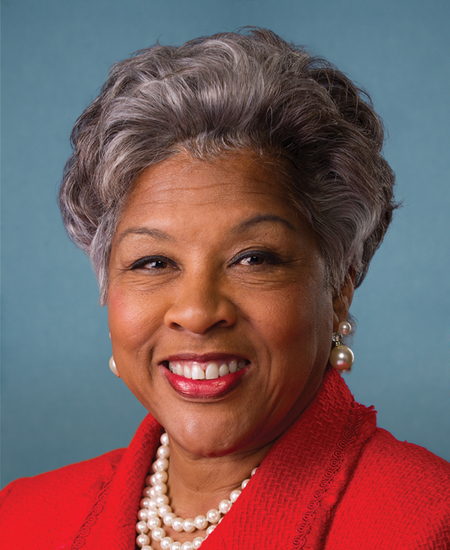
Introduced by Joyce Beatty, Shontel Brown, André Carson and 21 other co-sponsors

The Anti-Racism in Public Health Act of 2025 mandates data collection, funding, and training to eliminate health disparities affecting marginalized communities.

Introduced in House
0
0
Bill Summary • HR 2884

Summary of HR 2884: Anti-Racism in Public Health Act of 2025

Purpose and Intent

The Anti-Racism in Public Health Act of 2025 (HR 2884) aims to address systemic racism within public health systems in the United States. The bill seeks to promote health equity and eliminate disparities in health outcomes that disproportionately affect marginalized communities. By implementing anti-racist policies and practices, the legislation intends to improve overall public health and ensure that all individuals have equitable access to healthcare resources.

Key Provisions

HR 2884 includes several significant provisions designed to combat racism in public health:

  • Data Collection and Analysis: The bill mandates the collection of disaggregated data on health outcomes by race, ethnicity, and socioeconomic status. This data will be used to identify and address health disparities.

  • Funding for Anti-Racism Initiatives: The legislation proposes funding for programs that specifically target health inequities and promote anti-racist practices within public health agencies.

  • Training and Education: The bill calls for the development of training programs for public health professionals focused on understanding and addressing the impacts of racism on health.

  • Community Engagement: HR 2884 emphasizes the importance of engaging with communities affected by health disparities to inform policy decisions and health interventions.

  • Accountability Measures: The bill includes provisions for regular reporting and accountability to ensure that public health agencies are making progress toward anti-racist goals.

Affected Parties

The Anti-Racism in Public Health Act of 2025 will primarily impact:

  • Public Health Agencies: Local, state, and federal public health departments will be required to implement the provisions of the bill.

  • Healthcare Providers: Hospitals and clinics will need to adapt their practices to align with the new anti-racist policies.

  • Marginalized Communities: Individuals from historically marginalized groups will benefit from improved health outcomes and increased access to healthcare services.

Procedural Aspects

  • Introduced Date: The bill was introduced in the House on April 10, 2025.

  • Committee Referral: Following its introduction, HR 2884 was referred to the House Committee on Energy and Commerce for further consideration.

  • Related Legislation: HR 2884 has a companion bill, S 1489, which is being considered in the Senate, indicating bipartisan interest in addressing racism in public health.

Conclusion

The Anti-Racism in Public Health Act of 2025 represents a significant legislative effort to confront and dismantle systemic racism within public health systems. By focusing on data-driven approaches, community engagement, and accountability, the bill aims to create a more equitable healthcare landscape for all Americans. As it progresses through the legislative process, stakeholders will be closely monitoring its developments and potential impacts on public health policy.

Hi! I'm your AI assistant for HR 2884. I can help you understand its provisions, impacts, and answer any questions.

Key Provisions Impacts Timeline
Sign in to chat