

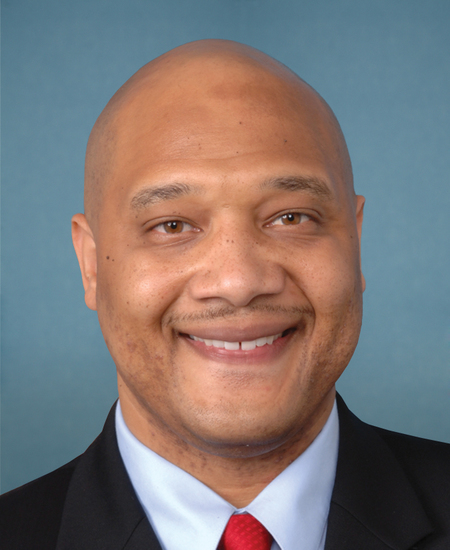
Andrew Kearse Accountability for Denial of Medical Care Act of 2025
HR 3603 mandates national medical care standards in correctional facilities, ensuring timely treatment for inmates and holding facilities accountable for care failures.
The Andrew Kearse Accountability for Denial of Medical Care Act of 2025 (HR 3603) aims to address the issue of inadequate medical care provided to individuals in custody, particularly in correctional facilities. The bill is named in memory of Andrew Kearse, who died after allegedly being denied necessary medical treatment while in police custody. The legislation seeks to enhance accountability and ensure that individuals in custody receive timely and appropriate medical care.
HR 3603 includes several significant provisions designed to improve medical care standards in correctional settings:
Establishment of Standards: The bill mandates the creation of national standards for medical care in correctional facilities, ensuring that all individuals receive necessary medical attention without undue delay.
Accountability Measures: It introduces mechanisms for holding correctional facilities accountable for failures to provide adequate medical care, including potential civil penalties for non-compliance.
Reporting Requirements: The legislation requires correctional facilities to report on medical care practices and outcomes, promoting transparency and oversight.
Training Programs: It calls for the development of training programs for correctional staff on medical care protocols and the importance of timely medical intervention.
The primary beneficiaries of HR 3603 would be individuals in custody across various correctional facilities, including jails and prisons. Additionally, the bill would impact:
Correctional Facilities: These institutions would need to comply with new standards and reporting requirements, potentially leading to changes in operational practices.
Healthcare Providers: Medical professionals working within correctional settings may require additional training and resources to meet the new standards.
Advocacy Groups: Organizations focused on prison reform and healthcare access would likely engage with the implementation of this legislation, advocating for the rights of individuals in custody.
HR 3603 has a companion bill, S 1914, which is currently in the Senate. This indicates a broader legislative effort to address the issues of medical care in correctional facilities across both chambers of Congress.
This summary provides an overview of HR 3603, highlighting its purpose, key provisions, affected parties, and procedural status. The bill represents a significant step towards improving healthcare standards for individuals in custody and ensuring accountability within correctional systems.
Hi! I'm your AI assistant for HR 3603. I can help you understand its provisions, impacts, and answer any questions.
We're glad to see you!
New to WeVote? Claim your Voter Profile now!
Are you an elected rep? Claim account
Join thousands of verified voters to weigh in.
Already have an account? Log in
Are you an elected rep? Claim account
No worries! Enter your email and we'll send you reset instructions.
Remember your password? Back to Login
Your email address has not been confirmed yet. Please check your inbox or request a new confirmation link below.
Didn't receive the email?
Already confirmed? Back to Login
You need to take action to continue.
You're currently in
Joining this room will disconnect you from the current one.
The meeting has ended.
Start the Conversation
Be the first to share your thoughts on this petition. Your voice matters!