

WeVote

Bill

Bill

H 654

An act relating to Vermont Airspace Safety and Unidentified Anomalous Phenomena Task Force

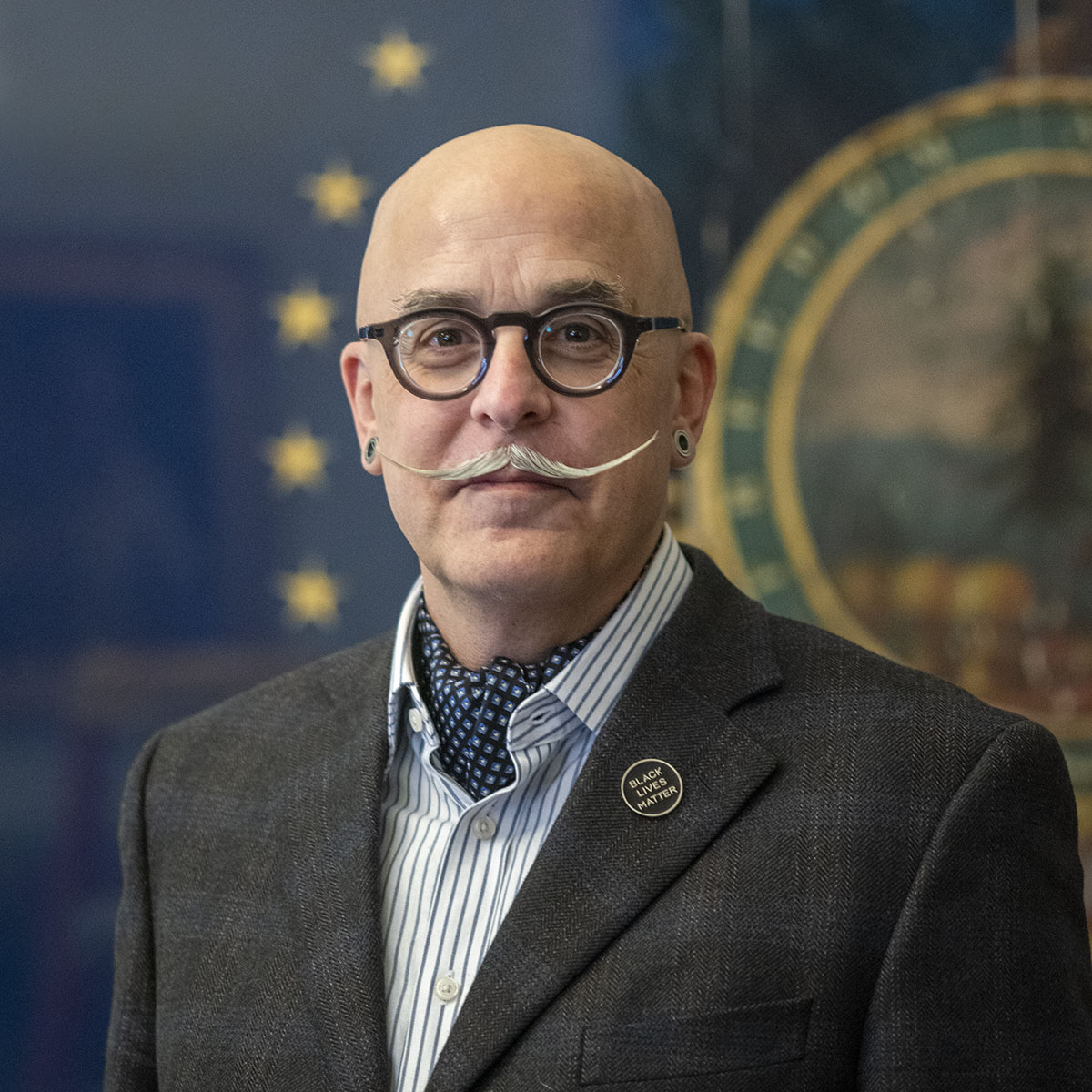
2025-2026 Regular Session Introduced by Troy Headrick

Establishes a Vermont Task Force to evaluate UAP reports, assess airspace/public safety risks, coordinate with partners, and issue policy recommendations and annual reports.

Read first time and referred to the Committee on Government Operations and Military Affairs
0
WeVote Research Nonpartisan
Bill Summary · H 654

Summary of H.654 (2025-2026) – Vermont Airspace Safety and Unidentified Anomalous Phenomena Task Force

Purpose and intent

  • Establish the Vermont Airspace Safety and Unidentified Anomalous Phenomena (UAP) Task Force within the Department of Public Safety, to evaluate reports of unidentified anomalous phenomena, assess airspace and public safety risks, coordinate with federal, academic, and private partners, and develop recommendations to improve incident reporting, response, and analysis.
  • Acknowledges federal actions on UAP (All-D-domain Anomaly Resolution Office; 2023 UAP Disclosure Act amendments) and seeks a state-level mechanism to address Vermont-specific incidents.

Key provisions and changes (what the bill would do)

  • Create the Vermont Airspace Safety and UAP Task Force (within the Department of Public Safety; coordination with the Agency of Transportation; may engage independent experts).
  • Definitions:
    • “SCU” = Scientific Coalition for UAP Studies (SCU serves as the Task Force’s principal scientific analyst for data and evidence related to UAP).
    • “Unidentified anomalous phenomena” includes objects in the air or underwater not readily attributable to weather, conventional aircraft, or known technologies, including unusual performance traits.
  • Purpose and duties of the Task Force:
    • Evaluate reports of UAP, including drones, balloons, and objects with anomalous behavior.
    • Assess airspace and public safety risks.
    • Coordinate information-sharing with federal, academic, and private sectors.
    • Develop recommendations to improve incident reporting, emergency response, transparency, and scientific analysis.
  • Membership (10 members):
    • Co-Chairs: Commissioner of Public Safety and Secretary of Transportation (or their designees).
    • Legislative representation: one House member (appointed by Speaker) and one Senate member (appointed by Committee on Committees).
    • Vermont National Guard representative (Appointed by Adjutant General).
    • Vermont Bureau of Criminal Investigation representative (appointed by Governor in consultation with the Public Safety Commissioner).
    • Vermont airport system/general aviation representative (appointed by Governor in consultation with the Secretary of Transportation).
    • Academic expert in aerospace or atmospheric science (appointed by Governor).
    • Independent expert in radar or sensor systems (appointed by Governor).
    • Representative of the Vermont Intelligence Center (appointed by Public Safety Commissioner).
  • Technical assistance:
    • SCU provides data analysis and experimental support under guidelines established by the Task Force, with ultimate authority remaining with the Task Force for policy use.
  • Powers and duties (operational scope):
    • Review and analyze Vermont UAP activity.
    • Improve information sharing and data consistency with federal, academic, and private partners.
    • Develop best practices for voluntary reporting, secure data storage, and analysis.
    • Assess risks from unidentified aerial objects (including unregistered drones) and recommend incident response and coordination procedures.
    • Hold at least one public meeting per year.
    • Submit an annual report with findings and recommendations.
  • Administrative and transparency provisions:
    • State agencies provide support; the Task Force can request additional departmental collaboration.
    • Public web page for notices, minutes, and nonconfidential materials.
    • Optional confidential, voluntary reporting process for sightings (developed with SCU and DPS).
    • Public-facing reports and data with privacy/security protections; confidential reports stored securely.
  • Reporting requirements:
    • Annually by December 15, to Governor, and specified House and Senate committees, detailing activities, findings, and recommendations for action and research collaboration.
  • Compensation and reimbursement:
    • Per diem and expense reimbursements for attendance at meetings, with separate caps for legislators and other members.
  • FAA jurisdiction:
    • The bill clarifies it does not supersede federal aviation jurisdiction and that the Task Force cannot promulgate or enforce air safety regulations; it may make policy recommendations related to state coordination and public information.
  • Effective date:
    • Takes effect July 1, 2026.

Who and what would be affected

  • State entities: Vermont Department of Public Safety (primary administration and support), Agency of Transportation (coordination), Vermont agencies involved in public safety, transportation, criminal investigation, National Guard, Vermont Intelligence Center.
  • External partners: Federal agencies (aviation and safety oversight), academic institutions, and private sector entities collaborating on UAP analysis and data sharing.
  • Public: Vermont residents and officials who may report sightings; annual public meetings and a public-facing information portal.

Procedural and timeline notes

  • Establishment and appointment process for Task Force members occur upon enactment, with the act taking effect July 1, 2026.
  • The Task Force must hold at least one public meeting per year and produce an annual report by December 15 each year.
  • While the Task Force can collect and analyze data with SCU, it retains final authority over policy conclusions and public communications.
  • The bill does not authorize state-level air safety regulations; it focuses on coordination, reporting, and policy recommendations within existing FAA jurisdiction.

Potential implications

  • Enhances Vermont’s capacity to respond to UAP-related airspace safety concerns with a formal, multi-disciplinary structure.
  • Creates a centralized mechanism for incident reporting, data collection, and interagency coordination at the state level.
  • Introduces scientific analysis support via SCU while preserving state control over policy and communications.
  • Improves transparency through public meetings and an accessible information portal, while balancing privacy and security considerations.

If you’d like, I can tailor this summary for a specific audience (e.g., policymakers, the public, or aviation professionals) or add a brief comparison to federal UAP provisions.

Compiled from official sources — confirm details with the bill’s official record.

Sign in to ask a question.