Summary — HB 6257 (Vehicles: registration; vehicle registration fees; increase)
Status & procedural history
- Bill number: HB 6257
- Title: Vehicles: registration; vehicle registration fees; increase (amends MCL 257.801)
- Electronic reproduction: 12/05/2024
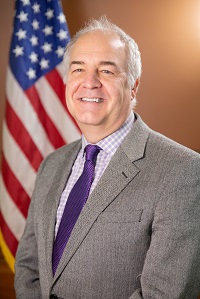
- Introduced/first read: 12/05/2024 (Rep. Jasper Martus / Martus in some records)
- Referred to: Committee on Transportation, Mobility and Infrastructure (12/05/2024); subsequently referenced to Joint Committee on Environment (1/23/2025).
- Committee activity: Vote to draft (2/10/2025); draft by committee (3/7/2025); public hearing held 3/17/2025.
- Current stage: Introduced; under committee consideration.
Purpose and intent
- The bill would amend section 801 of the Michigan Vehicle Code (1949 PA 300; MCL 257.801) to change the vehicle registration tax/fee structure. The bill title and legislative summary indicate an increase in vehicle registration fees. The amendment updates the statutory language that governs how registration taxes are assessed and collected by the Secretary of State.
Key provisions (based on text excerpt)
- Retains the general framework: the Secretary of State collects vehicle registration taxes at time of registration; those registration taxes, when paid, generally exempt the vehicle from other state and local taxation (with specified exceptions, e.g., certain motor carriers and fuel taxes).
- Continues to assess registration taxes primarily by vehicle empty weight, using a graduated fee schedule for passenger vehicles, motor homes, pickup trucks and vans (specific weight brackets and dollar amounts appear in the text).
- Preserves special categories and reduced rates, including (examples from statute):
- A 50% assessment for passenger vehicles permanently modified with wheelchair lifts or permanently installed hand controls used by or transporting a household member who uses a wheelchair.
- Specific lower per‑100‑pound rates for farmers’ vehicles and for wood harvesters/vehicles used exclusively in wood harvesting operations.
- Specific rates or flat fees for hearses/ambulances used by licensed funeral directors, state-owned vehicles, nonprofit organization vehicles used for certain purposes, school/senior transport buses, and other specified nonprofit uses.
- Maintains language authorizing periodic adjustment of certain fees using economic indicators (historical provision tied to Michigan personal income for 1983–84 adjustments appears in the excerpt).
Who would be affected
- Vehicle owners registering in Michigan: passenger vehicle, truck, trailer, motor home, and specialty vehicle owners would be directly affected if fees are increased. Amounts vary by empty weight and vehicle class.
- Farmers, nonprofit organizations, licensed funeral businesses, wood harvesters, state and municipal fleets: these groups may retain special lower rates or exemptions as specified.
- Secretary of State: administrative responsibility to collect revised fees and apply any statutory adjustment formulas.
- Local governments: potentially affected indirectly because vehicle registration taxes generally displace other state/local taxation for registered vehicles (but the statute already preserves specific carrier/fuel tax exceptions).
Notes, limits, and next steps
- The text excerpt provided contains the statutory framework and a weight‑based fee schedule, but it is truncated and does not clearly show any newly increased dollar amounts beyond the existing schedule. The bill title indicates an increase; however, the available document does not unambiguously list revised rates for every bracket. For precise fee changes, consult the full bill text as introduced/posted in the legislature or subsequent committee prints/engrossed versions.
- If enacted, the effective date would be determined by the final bill language (not shown in the excerpt). Implementation would typically occur on specified registration cycles or an effective date set in the act.
- Legislative considerations going forward include committee amendment, fiscal impact analysis (state revenue increase and distribution), and potential stakeholder responses from vehicle owners, farming, nonprofit and transportation sectors.