

WeVote

Bill

Bill

H 362

An act relating to State recognition of Native American tribes and the Truth and Reconciliation Commission

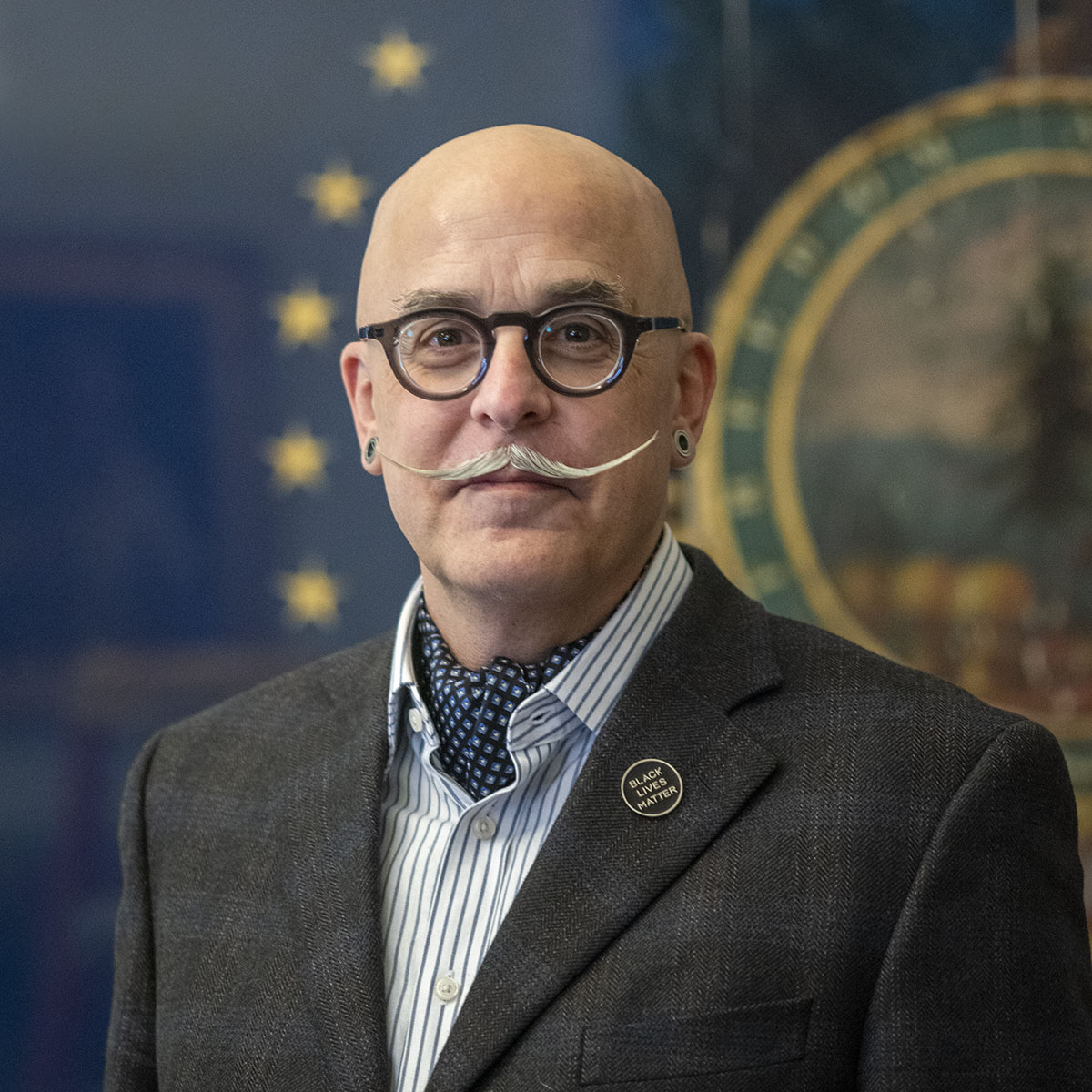
2025-2026 Regular Session Introduced by Troy Headrick

The bill would formally recognize Native American tribes in Vermont and create a Truth and Reconciliation Commission to document injustices and guide policy reforms.

Read first time and referred to the Committee on General and Housing
0
WeVote Research Nonpartisan
Bill Summary · H 362

Overview

House Bill H 362 (Session 2025-2026, Vermont) seeks to establish state recognition of Native American tribes and to create a Truth and Reconciliation Commission. The bill was read in the House for the first time and referred to the Committee on General and Housing on February 26, 2025. Co-sponsor: Troy Headrick.

Purpose and intent

  • Aims to formally recognize Native American tribes within Vermont.
  • Establish mechanisms for truth-telling, reckoning with historical injustices, and reconciliation between the state and Indigenous communities.
  • Create a dedicated commission to oversee truth-telling processes, policy recommendations, and related actions to address past and ongoing impacts on Native peoples in Vermont.

Key provisions and changes

While the full text is not provided here, the bill’s title and description indicate the following likely components:

  • State recognition framework

    • Designation of one or more Native American tribes as officially recognized by the State of Vermont.
    • Definitions of criteria for recognition and the scope of recognition (e.g., a tribe’s historic presence, governance structures, and cultural continuity).
  • Truth and Reconciliation Commission

    • Establishment of a commission tasked with researching and documenting historical injustices, current disparities, and the experiences of Native communities in Vermont.
    • Public hearings, gathering of testimony, and documentation of state policies and practices affecting Native peoples.
    • Development of reports and recommendations to inform policy changes, restitution, and reforms.
  • Policy and governance implications

    • Potential guidance to state agencies on collaboration with recognized tribes.
    • Recommendations for programmatic changes, education, and cultural preservation efforts.
    • Possible creation or expansion of programs addressing health, housing, language, land rights, or economic opportunities in collaboration with tribes.

Who would be affected

  • Native American communities in Vermont, including any tribes seeking state recognition.
  • Vermont state government and its agencies that interact with tribal nations (education, health, housing, cultural resources, justice, and public safety).
  • Residents of Vermont through potential state policy changes, funding allocations, and programs influenced by recognition and reconciliation efforts.

Procedural and timeline aspects

  • Status: Read first time and referred to the Committee on General and Housing (as of 2025-02-26).
  • Next steps likely include committee hearings, potential amendments, and, if advanced, floor consideration and votes.
  • Timelines for a Truth and Reconciliation Commission typically involve appointment of commissioners, a defined reporting period, and phased implementation of recommendations, though specific durations would be set in the bill.

Additional notes

  • The bill’s actual text will specify the exact processes, eligibility criteria for recognition, commission structure (appointments, tenure, funding), powers (e.g., subpoena authority, ability to issue reports), funding sources, and implementation timelines.
  • As the bill is in early stages, current details are high-level; readers should consult the bill’s text and subsequent committee reports for precise provisions and fiscal implications.

Compiled from official sources — confirm details with the bill’s official record.

Sign in to ask a question.