

WeVote

Bill

Bill

SB 2811

AN ACT RELATING TO STATE AFFAIRS AND GOVERNMENT -- RHODE ISLAND PROTECT OUR HEALTHCARE ACT OF 2026

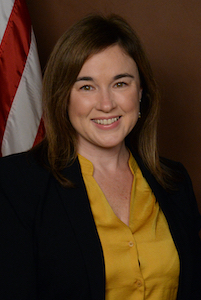
2026 Regular Session Introduced by Alana DiMario and 5 co-sponsors

Rhode Island establishes a state uninsured health access program that acts as payer of last resort, using general-fund funds to pay providers for qualifying uninsured care.

05/05/2026 Committee recommended measure be held for further study
0
WeVote Research Nonpartisan
Bill Summary · SB 2811

Summary: Rhode Island Protect Our Healthcare Act of 2026 (Bill SB 2811)

Jurisdiction: Rhode Island | Session: 2026 | Introduced: March 4, 2026 | Referred: Senate Finance

1) Purpose and Intent

  • Establishes a publicly funded program to provide healthcare services to Rhode Island residents who cannot obtain affordable private health insurance and lack the means to pay for care.
  • Creates a state general fund program, administered by a dedicated board, to expand access to care for the uninsured and serve as a payer of last resort for qualifying services.

2) Key Provisions and Changes

A. Establishment of a State Program

  • Creation of the Rhode Island uninsured health access program (the “program”).
  • Funded by a dedicated appropriation from the state general fund.
    • FY 2027: $53,200,000 (administration of the program).
    • FY 2028 and subsequent years: $109,600,000 (administration of the program).
  • Purpose of funds: pay participating providers for qualifying uninsured care and support program administration.

B. Uninsured Care Board and Advisory Committee

  • Uninsured Care Board (7 members) to oversee program design, funding allocations, and implementation:
    • Ex officio, chair: Secretary of the Executive Office of Health and Human Services.
    • Other members: Commissioner of the Health Insurance Commissioner, Director of Health, Medicaid Director, and three gubernatorial/legislative appointments (one each by Governor, Senate President, Speaker).
  • Uninsured Care Advisory Committee (at least 9 members) to provide expertise across:
    • Community health centers, participating hospitals, free clinics, primary care providers, behavioral health, additional providers (different specialties), healthcare advocacy, a consumer representative, and other diverse stakeholders.
  • duties include reviewing existing uninsured programs (scope, funding, capacity, outcomes) and reporting findings to the General Assembly by Feb 1, 2027.

C. Allocation of Funds (Board Responsibilities)

  • The Board may allocate funds to:
    • Additional distributions to participating hospitals (per existing Rhode Island statutes).
    • Additional distributions to community health centers.
    • Free clinics (e.g., Rhode Island Free Clinic, Clínica Esperanza) and other free-clinic providers.
    • Uninsured health access program operations (administration and ongoing management).
  • Unspent funds can be reallocated in subsequent fiscal years; they do not revert to the general fund.

D. Uninsured Health Access Program (Program Details)

  • Purpose: support uninsured individuals and help providers deliver a range of services not otherwise available, with payments made directly to providers on behalf of eligible individuals.
  • The program acts as the payer of last resort, up to the board-approved funding amount.
  • The Board may set:
    • Provider qualifications and participating services.
    • Eligibility rules for individuals (income/assets, provider-set participation guidelines subject to Board approval).
    • Expanded care requirements, screening for alternative coverage, funding disbursement methodologies, and pre-authorization or data reporting requirements.
    • Sliding-scale contributions or cost-sharing, and reporting/data submission requirements for providers.
  • Priorities for board decisions:
    • Recommendations of the advisory committee.
    • Alignment with existing uninsured care programs and statewide health initiatives.
    • Broad mix of services and providers (primary, inpatient/outpatient, mental health, specialty care, preventive, imaging/lab, dental, prescriptions).
    • Ensuring genuine access to care rather than subsidizing provider losses from uncompensated care.
  • The Board may contract with providers and pursue federal matching funds to maximize program support.

E. Rules, Regulations, and Public Involvement

  • The Secretary, in consultation with the Board, may promulgate implementing rules.
  • General administrative procedures law (Chapter 35 of Title 42) applies, except for the first implementation year.
  • For the first year, the Board must:
    • Hold a public meeting with advisory committee input.
    • Provide a 30-day public comment period.
    • Present explanatory materials on proposed regulations and rationale.

F. Miscellaneous

  • The chapter includes standard provisions on construction (no entitlement or public assistance created), severability, and an effective date “upon passage.”

3) Who/What Would Be Affected

  • Individuals: Rhode Island residents who are uninsured and cannot afford health coverage would gain access to funded services through the program.
  • Healthcare Providers: Hospitals, community health centers, free clinics, and other participating providers could receive payments for qualifying services rendered to uninsured patients.
  • State Agencies: EOHHS secretary, Health Insurance Commissioner, Department of Health, and Medicaid Director would have governance and administrative responsibilities.
  • Advisory and Consumer Stakeholders: Providers and consumer representatives would participate in the board and advisory committee, shaping program design and oversight.

4) Procedural and Timeline Considerations

  • Funding starts with FY 2027 appropriation of $53.2 million for administration; ongoing funding escalates to $109.6 million annually from FY 2028 onward.
  • In early 2027, the board must report on the uninsured program landscape and existing uninsured care activities.
  • First-year process requires enhanced stakeholder engagement and public input (meetings, public comment period, explanatory regulatory materials).
  • The act takes effect upon passage.

5) Observations

  • The bill emphasizes broad stakeholder involvement and coordination with existing uninsured care programs to avoid duplication.
  • It positions the program as a payer of last resort, aiming to fill gaps in access rather than replace private insurance or existing Medicaid coverage.
  • Fiscal notes indicate a substantial, ongoing state investment intended to expand access to a wide range of healthcare services for the uninsured.

Compiled from official sources — confirm details with the bill’s official record.

Sign in to ask a question.