

WeVote

Bill

Bill

SB 2542

AN ACT RELATING TO STATE AFFAIRS AND GOVERNMENT -- HEALTH CARE FOR CHILDREN AND PREGNANT WOMEN

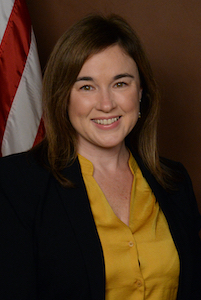
2026 Regular Session Introduced by Alana DiMario and 9 co-sponsors

Rhode Island would raise Medicaid payments for outpatient pediatric services to 130% of Medicare by Oct 1, 2026 to recruit/retain providers and expand access for children under 19.

05/05/2026 Committee recommended measure be held for further study
0
WeVote Research Nonpartisan
Bill Summary · SB 2542

Summary: SB 2542 (2026) – Health Care for Children and Pregnant Women

Purpose and intent

  • The bill addresses a workforce crisis in Rhode Island’s pediatric health care system and the resulting impact on access for children and pregnant women.
  • It seeks to improve recruitment and retention of pediatric providers (including pediatricians, pediatric subspecialists, child psychiatrists, and related clinicians) by ensuring higher Medicaid reimbursement rates for outpatient pediatric services.
  • The overarching goal is to prevent declines in pediatric access, reduce delays in care, and support long-term health outcomes for Rhode Island children.

Key provisions

  • New statutory section added: 42-12.3-17. Access to pediatric health care.
    • The Executive Office of Health and Human Services (EOHHS) must pursue a Medicaid state plan amendment.
    • EOHHS must allocate sufficient state general revenue to raise Medicaid payment rates for outpatient clinical services to 130% of Medicare rates for all codes for patients under 19 years of age.
    • The targeted date for implementation is on or before October 1, 2026.
    • The increased rates are intended to:
    • Allow pediatric practices to recruit and retain providers (including pediatricians, pediatric subspecialists, child psychiatrists, family medicine physicians, nurse practitioners, and physician assistants).
    • Address current and projected workforce shortages, including anticipated retirements among pediatric providers.

Affected parties

  • Primary beneficiaries:
    • Pediatric patients under 19 in Rhode Island, who will gain greater access to care due to a larger and more stable pediatric workforce.
  • Healthcare providers:
    • Pediatricians, pediatric subspecialists, child psychiatrists, family medicine physicians, nurse practitioners, and physician assistants practicing pediatric or related outpatient services.
  • Payor/State budget implications:
    • Rhode Island’s Medicaid program will be adjusted via a state plan amendment to reflect higher reimbursement rates.
    • The state must allocate sufficient general revenue to support the increased payments.

Background findings ( Legislative findings in the bill)

  • Rhode Island faces a pediatric workforce crisis with limited access to new patients and retirements anticipated among practitioners.
  • Medicaid payment rates for pediatric specialists are lower than for general pediatricians, influencing recruitment difficulties.
  • Rhode Island’s Medicaid payments are generally lower compared to neighboring states (approximately 25% lower than Massachusetts and Connecticut), affecting provider participation.
  • High reliance on Medicaid in pediatric care; improving rates is seen as a lever to enhance access and outcomes, with long-term benefits for public health and cost containment.

Timing and procedural notes

  • Introduced: February 13, 2026.
  • Referred to: Senate Finance.
  • Scheduled for hearing/consideration: May 5, 2026 (per action history).
  • Effective date: The act states it shall take effect upon passage; however, the substantive funding and rate changes are tied to projecting a Medicaid state plan amendment and are to be implemented by October 1, 2026.

Potential impact

  • If enacted and implemented, outpatient pediatric services could see higher reimbursement rates (130% of Medicare), which may:
    • Improve recruiting and retention of pediatric providers and subspecialists.
    • Expand access to timely pediatric and child psychiatric care.
    • Potentially reduce wait times and geographic disparities in pediatric care.
    • Increase Medicaid-related provider participation and stabilize pediatric practices serving Rhode Island families.

Notes

  • The bill is focused on the long-term health infrastructure for children and does not alter eligibility criteria or other non-payer policies beyond the specified payment-rate enhancement for outpatient pediatric services.

Compiled from official sources — confirm details with the bill’s official record.

Sign in to ask a question.