

WeVote

Bill

Bill

H 406

An act relating to naming State buildings and facilities after individuals

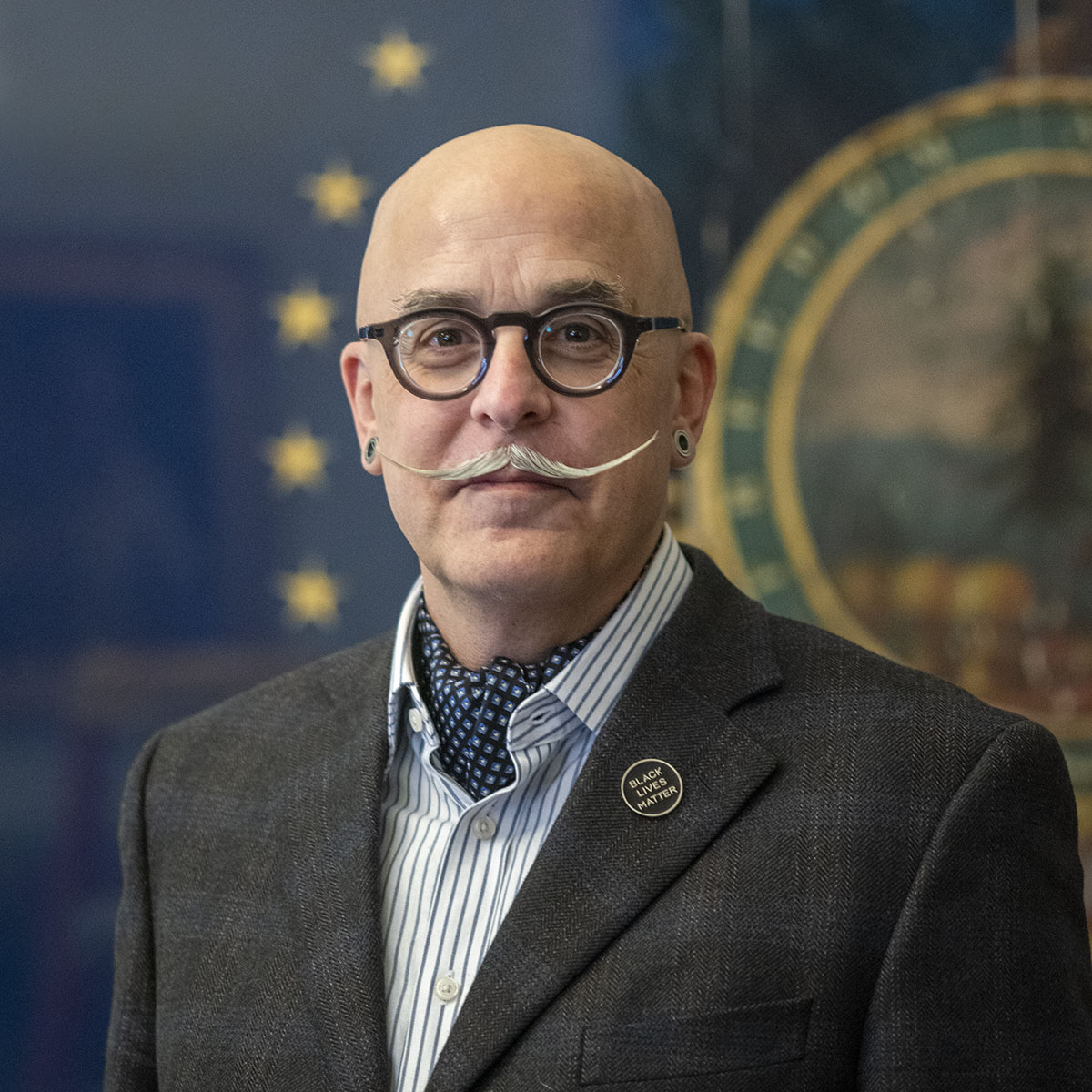
2025-2026 Regular Session Introduced by Troy Headrick

The bill creates a formal, transparent process with criteria and review for naming Vermont state buildings after individuals, including nomination, approval, and public notice.

Read first time and referred to the Committee on Corrections and Institutions
0
WeVote Research Nonpartisan
Bill Summary · H 406

Summary of H 406 (2025-2026) — Vermont

Purpose and intent

  • H 406 proposes a framework for the naming of Vermont state buildings and facilities after individuals. The bill aims to establish criteria, processes, and administrative steps to designate or rename state assets to honor individuals, with an emphasis on transparent consideration and appropriate qualifications.

Key provisions and changes

  • Establishment of criteria: The bill sets forth standards for who may be honored, likely including factors such as notable contributions to the state, public service, or other forms of achievement. Specific thresholds or categories (e.g., lifetime achievement, service length, or acts of distinction) would be defined to guide eligibility.
  • Nomination and review process: A formal process would be created to nominate individuals, including required documentation and timelines. A review body or designated agency would assess nominations against the criteria.
  • Approval authority: The bill designates which state entities have the authority to approve naming decisions (potentially a department head, a committee, or a state official) and any multi-step approval process (e.g., initial screening, recommendation, final approval).
  • Naming limits and scope: The bill may outline limits on how many facilities can be named in a given period, whether namings are permanent or subject to periodic review, and whether renaming is permitted under certain circumstances.
  • Public notice and transparency: Provisions likely require public notice, opportunities for comment, and public documentation of decisions to ensure transparency.
  • Administrative and logistical provisions: Guidance on signage design, installation timelines, funding responsibilities for any renovations or signage changes, and maintenance considerations.
  • Other protections or considerations: Possible inclusion of conflicts of interest prohibitions, sensitivity to naming conventions (avoidance of desecration, controversy, or misrepresentation), and compliance with existing state policies.

Who would be affected

  • State agencies and facilities: Departments responsible for managing state buildings and properties would handle nominations, reviews, and implementation.
  • Prospective honorees or their families: Individuals considered for naming, including posthumous honors, would be subject to the nomination criteria.
  • Taxpayers and the public: The process aims to be transparent and publicly accountable, affecting how public spaces are identified and commemorated.
  • State government operations: Administrative processes, budgeting implications for signage and possible renovations, and ongoing maintenance.

Procedural and timeline aspects

  • Introduction and referral: The bill was read in the first instance and referred to the Committee on Corrections and Institutions on February 27, 2025.
  • Next steps (typical): The committee would conduct hearings, solicit input, potentially amend the bill, and vote to move it to the full chamber for consideration. If advanced, it would progress through the standard legislative passage (appropriation of any funds if required, cross-chamber approvals, and final enactment).

Notable considerations

  • The bill does not specify dollar amounts or exact naming criteria in the available summary, but such details would likely be fleshed out in committee amendments or subsequent fiscal notes.
  • The sponsor listed is a co-sponsor: Troy Headrick, indicating bipartisan interest or collaboration.

If you’d like, I can tailor this summary to target a particular audience (e.g., policymakers, journalists, or advocacy groups) or add hypothetical example scenarios to illustrate potential outcomes.

Compiled from official sources — confirm details with the bill’s official record.

Sign in to ask a question.