

WeVote

Bill

Bill

HB 368

An Act relating to meetings of the Board of Fisheries; and providing for an effective date.

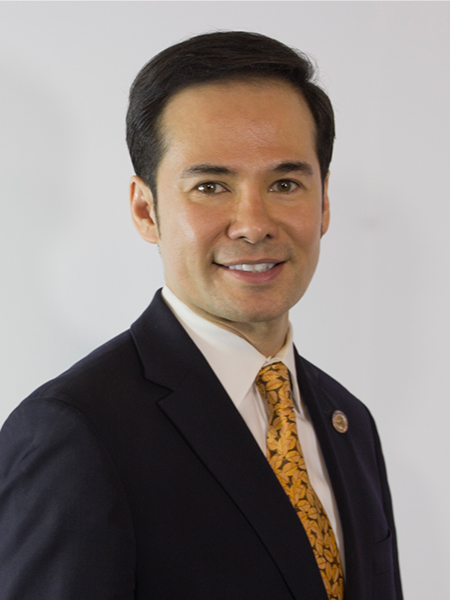
34th Legislature (2025-2026) Introduced by Neal Foster

HB 368 requires the Board of Fisheries to hold at least one annual meeting in a rural, off-road community under 7,000 residents and in each of five Alaska regions.

(H) REFERRED TO FISHERIES
0
WeVote Research Nonpartisan
Bill Summary · HB 368

Summary of HB 368 (Session 34, Alaska)

Purpose and intent

HB 368 amends requirements related to meetings of the Alaska Board of Fisheries. The bill establishes specific obligations for where and how often the Board must hold meetings or hearings, including at least one meeting in certain rural communities and in distinct geographic areas. It also provides for an effective date of January 1, 2027.

Key provisions

  • Annual meetings and location authority (Section 1):

    • Each board must hold at least one meeting per year and may hold additional meetings as needed.
    • Each board must select the time and place for its business to be transacted.
    • Each board must maintain its office at the department’s principal office.
  • Rural and regional meeting requirements (Section 1, subsection b):

    • The Board of Fisheries must hold at least one meeting or hearing per year in a community with fewer than 7,000 residents that is located off the interconnected state road system.
    • The Board must also hold at least one meeting or hearing per year (which may include the required rural meeting) in each of the five general areas, specifically:
    • Upper Yukon – Kuskokwim – Arctic
    • Western Alaska (the section notes this area “including Kodiak”)
    • Southcentral
    • Prince William Sound (including Kodiak, and Yakutat is referenced in related language)
    • Southeast (including Yakutat)
    • The language indicates an emphasis on regional accessibility by ensuring meetings/hearings occur in diverse geographic areas and in at least one small, off-road-system community per year.

Who/what is affected

  • Board of Fisheries: The primary entity affected, as the bill directs meeting frequency, location, and regional distribution requirements.
  • Geographic communities: Rural and remote communities off the state road system with populations under 7,000 would gain a required annual meeting/hearing opportunity.
  • State agencies and the Department: Administrative implications for scheduling, logistics, and maintaining the Board’s office.

Procedural and timeline aspects

  • Effective date: The act would take effect on January 1, 2027.
  • Action history:
    • 2026-02-23: First reading and referral to House Fisheries (FSH) and Resources (RES) committees.

Practical implications

  • The bill may increase the geographic reach of Board of Fisheries activities, potentially improving public access and participation from rural and remote fishing communities.
  • Planning and logistics costs could rise due to travel, venue arrangements, and outreach in multiple regions and in small communities.
  • The requirement to hold annual meetings in designated regions may influence scheduling and quorum considerations, especially during off-road-system travels.

Notable details

  • The areas listed for regional meetings are broad and cover major portions of Alaska, with explicit references to Kodiak and Yakutat in several places, indicating attention to important fishing regions.
  • The language ties the rural meeting requirement to populations under 7,000 and locations off the interconnected state road system, emphasizing inclusivity for less-accessible communities.

If you’d like, I can map the specified regions to a proposed meeting calendar or provide a comparison with current meeting location practices.

Compiled from official sources — confirm details with the bill’s official record.

Sign in to ask a question.