

WeVote

Bill

Bill

HB 5304

AN ACT RELATING TO LABOR AND LABOR RELATIONS -- THE COMMUTER TRANSPORTATION BENEFITS ACT

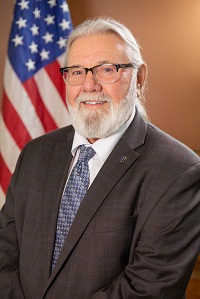
2025 Regular Session Introduced by David Bennett and 7 co-sponsors

HB 5304 narrows left-lane use for heavy trucks on multi-lane freeways, with safety exceptions, and preempts local rules for a statewide standard.

03/05/2025 Committee recommended measure be held for further study
0
WeVote Research Nonpartisan
Bill Summary · HB 5304

HB 5304 — Summary (amends MCL 257.634)

Purpose

HB 5304 (substitute H‑1) revises Michigan Vehicle Code lane‑usage rules to more narrowly restrict where larger trucks and truck‑tractor/trailer combinations may travel on multi‑lane freeways. It clarifies exceptions (left‑turn exits, safety hazards, posted lane closures) and preempts local ordinances on the same subject.

Key provisions

  • Amends section 634 of 1949 PA 300 (MCL 257.634).
  • Definitions: "Freeway" = divided arterial highway for through traffic with full control of access and grade‑separated crossroads.
  • Left‑lane prohibition for heavy trucks:
    • The driver of a truck with gross weight >10,000 pounds, a truck tractor, or a vehicle‑and‑trailer/semiper trailer combination may not drive in the lane farthest to the left on a freeway that has three or more lanes in the same direction.
    • Authorized exceptions (for a reasonable distance):
    • Making a left turn (e.g., using a left‑side freeway exit).
    • Where a special hazard requires using another lane for safety.
    • When the left lane is posted due to construction/repair or closure.
  • Reduced lanes due to construction:
    • If construction closes one or more lanes so only two usable lanes remain, such heavy vehicles must use the rightmost lane (with the same reasonable exceptions above).
  • General lane rules retained/clarified:
    • Drivers generally must use the right half or extreme right‑hand lane on roadways of sufficient width or where two or more lanes exist in one direction, subject to ordinary exceptions (overtaking, streetcar situations, left‑turning).
  • Preemption: Cities, villages, townships, and counties may not enact ordinances regulating the same subject matter as the provisions restricting heavy vehicles on freeways (subsections 3 and 4).
  • Enforcement: Violation is a civil infraction.

Who is affected

  • Directly: drivers and operators of:
    • Trucks with gross weight over 10,000 pounds,
    • Truck tractors,
    • Combinations of vehicles and trailers/semitrailers.
  • Indirectly: trucking companies, freight carriers, enforcement agencies, and motorists sharing freeway lanes.
  • Local governments: limited ability to regulate these matters (preemption).

Enforcement & fiscal impact

  • Violations are civil infractions. Fiscal impact is indeterminate.
  • Civil fines under the Michigan Vehicle Code fund public/county law libraries; a $40 justice system assessment applies to civil infractions (per MCL provisions cited in fiscal analyses).
  • The number of expected violations (and resulting revenue or local court workload) cannot practicably be estimated.

Legislative status / timeline (selected)

  • Introduced (initially): Nov 3, 2023 (Rep. William Bruck).
  • Substitute (H‑1) adopted: Dec 5, 2024.
  • Passed by House with immediate effect: Dec 5–10, 2024 (Roll Call: 85–17).
  • Transmitted/referred to legislative committees: Referred to Committee on Transportation and Infrastructure (and later committee actions per the legislative record). Readings and additional referrals recorded into 2025.

Notes / implications

  • The bill narrows where heavy trucks may legally occupy left lanes on multi‑lane freeways, with stated safety and traffic‑flow exceptions.
  • Preemption of local ordinances creates a uniform statewide standard for these freeway lane restrictions.
  • Implementation will rely on enforcement practices and signage (for posted closures), and the practical traffic/safety effects would depend on traffic patterns and enforcement levels.

Compiled from official sources — confirm details with the bill’s official record.

Sign in to ask a question.