

WeVote

Bill

Bill

HB 7796

AN ACT RELATING TO HUMAN SERVICES -- JOINT COMMISSION TO STUDY WAYS TO MAXIMIZE REVENUE FOR CHILD WELFARE AND CHILDREN'S BEHAVIORAL HEALTH SERVICES

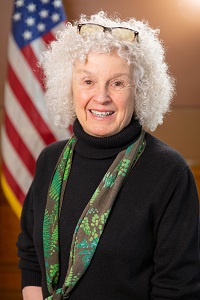
2026 Regular Session Introduced by Edith Ajello and 9 co-sponsors

Rhode Island sets up a 27-member commission to maximize federal funding for child welfare and behavioral health services while preserving access and care quality.

05/14/2026 Committee recommended measure be held for further study
0
WeVote Research Nonpartisan
Bill Summary · HB 7796

Overview

HB 7796 (Rhode Island, 2026) establishes a 27-member Joint Commission to study ways to maximize revenue for child welfare and children's behavioral health services within the context of the state's Medicaid transformation efforts. The goal is to identify opportunities to maximize federal funds and coordinate funding across state agencies while preserving access and quality of care for children and families.

Main purpose and intent

  • To examine Medicaid transformation initiatives and identify strategies to maximize federal revenue and optimize state investments in children’s services.
  • To ensure funding maximization does not compromise access, quality, or provider stability across the child welfare and behavioral health continuum.
  • To coordinate cross-agency federal funding (e.g., Medicaid, TANF, FFPSA, MIECHV, federal grants) to support child welfare, behavioral health, family services, and prevention.

Key provisions and changes

  • Create a new Joint Commission to study revenue maximization for child welfare and children's behavioral health services.
  • Commission scope includes:
    • Goals, scope, and implementation timeline of Rhode Island’s Medicaid transformation project.
    • Opportunities to maximize and coordinate federal funding across state agencies for children’s services and family-serving systems.
    • Other topics the commission deems relevant to maximizing revenue and improving the continuum of care.
  • Membership (27 members) includes:
    • Legislative leaders: chairs of House/Senate Finance Committees and related subcommittees; appointments by Speaker and Senate President (total 6 legislative slots).
    • Executive and judicial agency representatives: Medicaid director; EOHHS secretary; DHS director; DCYF director; RIDOH director; RIDE commissioner; OHIC commissioner; DLT director; a Rhode Island family court representative; the Child Advocate.
    • Provider, coalition, and expert representatives: representatives from RICCF, CPNRI, Leadership Rhode Island, Hassenfeld Institute, RI College School of Social Work, and several community-based providers with expertise in juvenile justice, child welfare, behavioral health, and IDD (with appointments by various bodies).
  • Appointments due within 30 days of the act’s effective date.
  • Duties of the commission:
    • Review Medicaid transformation structure, objectives, and timelines as they relate to children and family-serving systems.
    • Assess how Medicaid policy changes affect children’s behavioral health, child welfare services, community providers, and family support/prevention services.
    • Identify and catalog federal funding sources (Medicaid state plan, waivers, enhanced FMAP, TANF, Title IV-B/E, MIECHV, FFPSA, and other federal grants across involved departments).
    • Explore opportunities to maximize federal revenue, improve cross-agency coordination, reduce fragmentation/duplication, and mitigate expirations/declines in federal funding.
    • Evaluate barriers to accessing federal funds for children’s services.
    • Hold at least two public hearings and consider stakeholder input beyond those on the commission.
  • Reporting requirements:
    • Interim report to the General Assembly by January 15, 2027 with preliminary findings.
    • Final report by June 30, 2027 with findings, analysis, statutory and budgetary recommendations, and administrative/policy proposals to maximize federal revenue and protect the care continuum.
    • Reports transmitted to the Speaker, President of the Senate, and chairs of the House and Senate Finance Committees.
  • Administration:
    • Commission to elect a legislative chair.
    • EOHHS to provide staff support and data access as requested.
    • Members serve without compensation.
  • Effective date: upon passage.

Who/what would be affected

  • Children and families receiving child welfare and behavioral health services in Rhode Island.
  • State agencies involved in health, human services, education, and health insurance regulation (EOHHS, DHS, DCYF, RIDOH, RIDE, OHIC, DLT, etc.).
  • Federal funding streams for Medicaid and related programs (e.g., Medicaid waivers, FMAP, TANF, FFPSA, MIECHV, Title IV-B/E, and federal grants) as they relate to Rhode Island’s service continuum.
  • Providers and organizations in the child welfare and behavioral health sectors and organizations representing families.

Procedural and timeline aspects

  • Establishment of the commission and appointment process occurs after passage.
  • Interim findings due by January 15, 2027.
  • Final comprehensive report due by June 30, 2027.
  • Public input via at least two hearings.
  • Staff support provided by EOHHS; no compensation for members.
  • Act takes effect upon passage.

Potential impact and considerations

  • May enable Rhode Island to access additional federal funds and reduce funding gaps across child welfare and behavioral health services.
  • Could lead to legislative or administrative changes to align programs, streamline funding flows, and reduce duplication.
  • Public hearings and stakeholder input aim to improve transparency and buy-in from providers and communities.
  • Fiscal implications depend on resulting policy changes and funding strategies identified by the commission.

Compiled from official sources — confirm details with the bill’s official record.

Sign in to ask a question.