

WeVote

Bill

Bill

HB 8529

AN ACT RELATING TO HEALTH AND SAFETY -- THE RHODE ISLAND LIFE SCIENCE HUB ACT

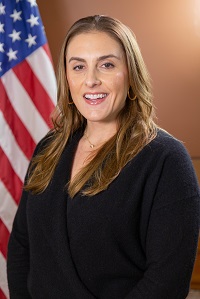
2026 Regular Session Introduced by Jackie Baginski and 1 co-sponsor

Strengthen Rhode Island life sciences growth by expanding governance, enabling certifications and incentives, and granting expedited, coordinated I-195 district permitting with a s

06/23/2026 Signed by Governor
0
WeVote Research Nonpartisan
Bill Summary · HB 8529

Overview

HB 8529 (Rhode Island Life Science Hub Act) proposes significant reorganization and expansion of the state's life sciences infrastructure by modifying the governance and powers of the Rhode Island Life Science Hub and the I-195 Redevelopment District Commission. The bill aims to strengthen coordination between the life science hub and the I-195 district, clarify regulatory authorities, and set timelines for sunset and ownership transitions.

Main purpose and intent

  • Create a more integrated governance structure for Rhode Island’s life science initiatives and I-195 redevelopment efforts.
  • Add the chair of the I-195 redevelopment district commission to the hub’s board, and add the Rhode Island Life Science Hub chair to the I-195 commission, enhancing cross-overs and coordination.
  • Empower the hub to certify life science companies and provide economic incentives and support (grants, loans, and assistance with funding and clinical trials) in a more formal, board-driven process.
  • Establish clear planning, permitting, and development authorities for the I-195 district with an emphasis on expedited review and avoidance of traditional local impediments for developments within the district.

Key provisions and changes

  • Rhode Island Life Science Hub Establishment and Governance (23-99-4)

    • The hub remains an independent public corporation acting on behalf of the state.
    • Board composition expanded to 17 voting members: 15 appointed by the governor (7 public directors, 8 institutional directors), plus the hub’s CEO, and the chair of the I-195 redevelopment district commission (both non-voting ex officio currently, but the section clarifies voting dynamics in practice).
    • The chair of the I-195 commission and hub CEO serve ex officio and are not voting members; the governor appoints the board chair with senate confirmation; the vice-chair is the secretary of commerce.
    • Public directors have staggered terms (initial 4-year terms, with a structured renewal timeline after 2028).
    • An eight-person voting quorum is established; specific voting rules require the chair’s presence for certification and investment decisions.
    • The hub can hire a CEO (non-voting on the board) and hire staff; the CEO’s compensation is set by the board.
    • An application review committee to assess life science certifications; certified companies are eligible for grants, loans, other investments, and assistance in securing federal/state/nonprofit funds or facilitating clinical trials.
    • Financial controls: treasurer must be a certified public accountant; director disclosures and recusal requirements are codified.
    • Sunset and dissolution: the hub can exist as long as bonds exist; upon dissolution, assets transfer to the state, with earnings not benefiting private individuals.
  • I-195 Redevelopment District Commission Amendments (42-64.14)

    • The I-195 commission gains enhanced authority and is aligned with the hub’s governance by adding the hub chair as a voting member (and the I-195 chair on the hub board).
    • The commission’s powers include property acquisition, development, contracts, financing, and potentially forming a nonprofit to hold district parks, with clear prohibitions on gambling (except forLottery) within the district.
    • Planning and permitting: the commission becomes the sole permitting authority for development in the district, with fast-track/accelerated review options and a strong emphasis on coordination with state and city agencies.
    • Abutting properties: when overlapping ownership exists, the commission assumes authority for abutting parcels under specified conditions, subject to Providence planning constraints.
    • Sunset timeline: a sunset provision begins, with certain life science incentives phasing out, and full dissolution anticipated either when all properties are developed or after 21 years (by December 31, 2039), with asset transfers to appropriate state or municipal entities.

Who/what is affected

  • Rhode Island Life Science Hub: governance, funding, certification processes, and advisory structures.
  • I-195 Redevelopment District Commission: expanded voting composition, planning, permitting, and oversight of district development.
  • Life sciences companies seeking certification and funding: eligibility for grants, loans, and support for federal/state/nonprofit funds and clinical trials.
  • State and local government agencies: alignment of development planning, expedited permitting, and potential transfers of district assets at sunset.

Procedural and timeline aspects

  • Effective date: upon passage.
  • Governance terms: staggered terms for public directors; chair/VP roles specified; remote participation provisions for meetings.
  • Sunset/termination: structured sunset schedule tied to district development completion or a 21-year horizon (2039), with asset transitions defined.
  • Open meetings and public records compliance: the commissions remain subject to open meetings and public records laws, with specific exemptions for closed sessions.

This bill emphasizes closer collaboration between Rhode Island’s life sciences industry and the I-195 redevelopment framework, while establishing accelerated development processes and clear sunset provisions.

Compiled from official sources — confirm details with the bill’s official record.

Sign in to ask a question.