

WeVote

Bill

Bill

HB 6036

AN ACT RELATING TO HEALTH AND SAFETY -- THE RHODE ISLAND CLINICIAN WELLNESS AND SUPPORT ACT

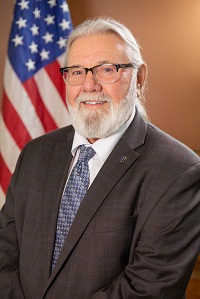
2025 Regular Session Introduced by David Bennett and 9 co-sponsors

Creates RI Clinician Wellness Act to protect confidential clinician support (PHP) and reduce stigma; boards focus on current impairment, not past mental health history.

06/24/2025 Signed by Governor
0
WeVote Research Nonpartisan
Bill Summary · HB 6036

Summary — HB 6036: The Rhode Island Clinician Wellness and Support Act

Status: Signed by Governor (06/24/2025)
Introduced: House Substitute A (primary text for enactment) introduced Mar 7, 2025; original bill activity began Nov 7, 2024.
Citations: Adds Chapter 104 (23-104-1 through 23-104-9) to Title 23, “Health and Safety.”

Purpose

Create statutory recognition and protections for a confidential clinician wellness program (the Rhode Island Physician Health Program, or a comparable program) to promote physical and mental well‑being among clinicians and to reduce barriers to seeking care for burnout, mental health issues, and substance use disorders.

Key provisions

  • Establishes the act’s name and purpose (23‑104‑1 — 23‑104‑2).
  • Definitions (23‑104‑4): “Clinician” = physician, physician assistant, dentist, podiatrist; “Physician health program (PHP)” = the Rhode Island program administered by RI Medical Society or a comparable program.
  • Recognition and program roles (23‑104‑5):
    • PHP or comparable program is a designated, confidential, non‑disciplinary resource for clinicians.
    • PHP will coordinate with professional associations, private health organizations, and insurers, and maintain early intervention and peer support services.
    • Encourages continued operation without reliance on state funds.
  • Confidentiality protections (23‑104‑6):
    • Voluntary contacts with the PHP are confidential and privileged under Rhode Island law (language parallels attorney‑client and peer support protections).
    • PHP may serve as intermediary between clinician and licensing boards.
    • Protections apply provided clinicians comply with treatment recommendations and do not pose a patient‑safety risk.
  • Licensing and reporting reforms (23‑104‑7):
    • Boards (medicine, physician assistants, dentistry, podiatry) must revise initial and renewal applications to:
    • Remove broad questions about past mental‑health diagnoses.
    • Limit questions to current impairments that affect safe practice and are not being managed.
    • Emphasize that seeking treatment does not automatically trigger discipline.
    • Boards must align inquiries with Federation of State Medical Boards (FSMB) guidance and best practices.
  • Safe haven (23‑104‑8):
    • Clinicians who self‑refer and participate in the PHP are protected from mandatory reporting to licensing boards while compliant with treatment, except where imminent patient safety risk exists.
  • Administration and controlling law (23‑104‑3, 23‑104‑9):
    • Department of Health director (or designee) oversees compliance.
    • In case of conflict, this chapter controls.

Who is affected

  • Directly: physicians, physician assistants, dentists, and podiatrists in Rhode Island.
  • Indirectly: professional licensing boards, the Rhode Island Medical Society (or other program operators), employers, insurers, and patients (via potential effects on clinician health and retention).

Implementation and timeline

  • Legislative milestones provided: committee consideration and substitute adoption; House passage (06/10/2025); Senate concurrence (06/18/2025); transmitted to Governor (06/18/2025); signed into law (06/24/2025).
  • The act takes effect upon passage.

Potential impacts and considerations

  • Likely to reduce stigma and regulatory deterrents to seeking mental‑health or substance‑use care among clinicians.
  • Requires licensing boards to revise application questions and procedures to focus on current functional impairment rather than diagnostic history.
  • Confidentiality and “safe haven” protections are conditional (compliance with treatment and absence of imminent patient‑safety risk).
  • Does not create a state‑funded program; recognizes and leverages existing PHP infrastructure.
  • Boards and PHPs will need to implement procedural and form changes and clarify the scope of confidentiality and reporting exceptions.

Compiled from official sources — confirm details with the bill’s official record.

Sign in to ask a question.