

WeVote

Bill

Bill

HB 5351

AN ACT RELATING TO HEALTH AND SAFETY -- MEDICAL SPAS SAFETY ACT

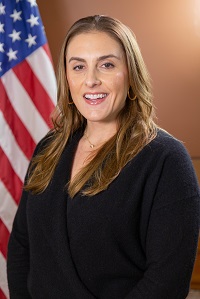
2025 Regular Session Introduced by Jackie Baginski and 2 co-sponsors

Rhode Island's Medical Spas Safety Act requires a medical director, trained supervision, written protocols, and documented oversight to safeguard cosmetic procedures.

06/30/2025 Signed by Governor
0
WeVote Research Nonpartisan
Bill Summary · HB 5351

Summary — HB 5351: Medical Spas Safety Act

Status: Signed by Governor (06/30/2025)
Introduced: Feb–Mar 2025; Enacted as Rhode Island Gen. Laws, Title 23, Chapter 104

Purpose

Establishes a regulatory framework for "medical spas" in Rhode Island to protect patient safety when cosmetic medical procedures are performed. The bill creates definitions, requires appointment of a medical director, sets training and supervision requirements, and mandates written protocols and medical record practices.

Key provisions

  • Adds Chapter 104 to Title 23 (Health and Safety) creating the "Medical Spas Safety Act." (See §§ 23‑104‑1, 23‑104‑2.)
  • Definitions: Specifies covered terms including “medical spa,” “cosmetic medical procedure” (procedures not requiring sedation and intended to improve appearance—e.g., microneedling, cosmetic injections, chemical peels, laser resurfacing, platelet-rich plasma, radio‑frequency microneedling, class II devices that alter deep skin tissue), “delegate” (licensed non‑physician who performs delegated procedures), “medical director,” “supervision,” APRN, PA, physician, and “ablative lasers.”
  • Medical director: Every medical spa must appoint a medical director (physician or certified nurse practitioner). Duties include:
    • Being trained in indications and performance of cosmetic procedures and device use (manufacturer/vendor training cannot be the sole education).
    • Implementing policies and procedures and written office protocols for each procedure (protocols must be kept on site for DOH review).
    • Overseeing delegation and supervision of all cosmetic procedures performed at the spa by physicians, PAs, APRNs, RNs, and non‑physicians.
    • Ensuring supervising clinicians and delegates are properly trained.
    • Being available on site or off site but able to directly observe treatments (direct supervision).
  • Supervision and delegation:
    • A supervising physician, supervising PA (in collaboration with a physician), or supervising APRN must be trained in the specific procedures and devices.
    • Supervising clinician must: perform an initial patient assessment; prepare a written treatment plan (diagnosis, course, device specifications as applicable); obtain and document informed consent; and maintain medical records consistent with law and accepted practice.
    • Non‑physicians/non‑APRNs may perform cosmetic procedures only if they have requisite training and the procedure has been delegated by an appropriate supervising clinician.
  • APRNs: Must be accredited by the state board of nursing to perform or supervise cosmetic procedures.
  • Supervision is defined to include direct (on site, able to directly observe) and indirect (off site but in‑state and immediately available in person or via telecommunication) modes.

Who is affected

  • Medical spas operating in Rhode Island.
  • Physicians, physician assistants (PAs), advanced practice registered nurses (APRNs/CNPs), registered nurses, and non‑physician delegates (e.g., aesthetic technicians).
  • Patients receiving cosmetic medical procedures.

Enforcement and administration

  • The Rhode Island Department of Health is the referenced enforcement and oversight authority (requirements include onsite protocols and DOH inspection access).
  • The Act became law on 06/30/2025 (signed by the Governor). The bill text does not specify a delayed effective date; standard practice is immediate effect unless otherwise noted.

Practical impact

  • Raises training, documentation, and supervision standards for cosmetic procedures in medical spas.
  • Limits performance of certain procedures to trained, supervised individuals and requires written protocols and medical oversight, aiming to reduce adverse events from device use and delegated treatments.

Compiled from official sources — confirm details with the bill’s official record.

Sign in to ask a question.