

WeVote

Bill

Bill

SB 2892

AN ACT RELATING TO HEALTH AND SAFETY -- FOOD-AS-MEDICINE PILOT PROGRAM

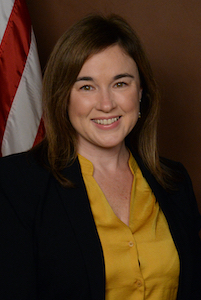
2026 Regular Session Introduced by Alana DiMario and 9 co-sponsors

RI SB2892 creates a Food-as-Medicine pilot using medically tailored meals and nutrition supports for diet-related diseases, with evaluation and potential 1115 waiver involvement.

06/18/2026 Signed by Governor
0
WeVote Research Nonpartisan
Bill Summary · SB 2892

Overview

SB 2892 (Rhode Island, 2026) establishes a Food-as-Medicine Pilot Program managed by the Executive Office of Health and Human Services (EOHHS). The bill creates a task force to design and evaluate a pilot that would use medically tailored meals and other nutrition supports to address diet-related chronic diseases and food insecurity. The program would be pursued with potential federal Medicaid authority (e.g., a Section 1115 waiver) and would rely on partnerships with insurers, healthcare providers, community-based organizations, and academic or research entities. A final report with recommendations is due by December 31, 2026.

Purpose and Intent

  • Address the growing burden of diet-related chronic diseases (diabetes, cardiovascular disease, hypertension, obesity) and barriers created by food insecurity.
  • Explore evidence-based food-as-medicine interventions as a means to improve health outcomes, reduce disparities, and potentially lower healthcare utilization and costs.
  • Align with value-based and whole-person care models by integrating health-related social needs into care delivery.
  • Assess feasibility, effectiveness, and sustainability of food-as-medicine in Rhode Island through a scoped pilot.

Key Provisions

Creation of the Program and Governance

  • Establish a Food-as-Medicine Pilot Program and a dedicated task force within EOHHS (Chapter 106, 23-106 series).
  • Task force members include senior EOHHS leadership, Medicaid program leadership, health department, aging office, human services, health insurance commissioners, representatives from managed and commercial insurers, hospital systems, academic institutions, not-for-profit meal providers, a clinician, a registered dietitian, legislators (both parties), and a public member representing chronic illness interests.
  • Members serve without compensation.

Task Force Duties (Design and Implementation)

  • Identify populations most burdened by diet-related disease (e.g., Medicaid beneficiaries, older adults, those with complex medical needs).
  • Define eligibility criteria to target resources efficiently.
  • Identify evidence-based food-as-medicine interventions (e.g., medically tailored meals and nutrition supports).
  • Explore collaborations among community providers, healthcare providers, managed care organizations, and insurers.
  • Evaluate reimbursement models and financing mechanisms (e.g., Medicaid authorities, value-based purchasing, public-private partnerships).
  • Establish data collection, evaluation, and reporting to measure health outcomes, utilization, cost, and equity.
  • Identify barriers to implementation and propose necessary legislative, regulatory, or budget actions.
  • Consider use of federal Medicaid authorities (e.g., 1115 waivers) to support design, implementation, and evaluation.
  • Outline populations, services, delivery models, and outcomes for potential 1115 waiver applications.
  • Align pilot with existing Medicaid managed care, value-based purchasing, and health equity efforts.

Meetings, Staffing, and Reporting

  • First task-force meeting to occur within 90 days of the act’s effective date.
  • EOHHSS to provide staff support.
  • The task force must deliver a comprehensive report to the Governor, Speaker, and Senate President by December 31, 2026, outlining scope, design, implementation, and any proposed enabling legislation or budgeting actions.

Federal Waiver Authority

  • EOHHSS is authorized to seek federal approval to implement the pilot for eligible Medicaid beneficiaries.
  • May apply for or amend a Section 1115 waiver or pursue other federal authorities.
  • Potential waiver scope includes coverage of medically tailored meals and nutrition supports, targeted eligibility, delivery models via partnerships, value-based payment methods, and data requirements.

Construction and Funding

  • The act does not require state expenditures beyond federal funding, existing appropriations, or future legislative action.
  • Implementation contingent on federal approvals and funding participation.

Affected Parties

  • Medicaid beneficiaries with chronic, diet-related conditions.
  • Individuals experiencing or at risk of nutrition-related health disparities.
  • Health insurers (both managed Medicaid and commercial) and hospital systems participating in value-based or coordinated care.
  • Community-based service providers and not-for-profit providers of medically tailored meals.
  • Healthcare providers (physicians, nurse practitioners) and registered dietitians.
  • Rhode Island lawmakers and state agencies (EOHHS, Department of Health, Department of Human Services, Office of Healthy Aging, Medicaid program).

Timeline and Procedural Details

  • Introduction Date: March 4, 2026.
  • First task force meeting required within 90 days after enactment.
  • Mandatory final report due by December 31, 2026.
  • The bill takes effect upon passage.
  • Possible subsequent actions: legislative, regulatory, or budgetary measures to implement any pilot recommendations and to secure federal waivers.

Potential Impacts and Considerations

  • Could expand access to medically tailored meals and nutrition supports for high-need populations.
  • May influence future Medicaid waivers or demonstration projects in Rhode Island.
  • Emphasizes data-driven evaluation to determine health and cost outcomes and health equity impacts.
  • Fiscal impact depends on federal participation and any state funding authorized or appropriated; construction language ensures no ongoing state expenditure beyond federal or existing funds unless later action is taken.

If you’d like, I can distill this into a one-page brief or compare it to similar “food-as-medicine” pilot programs in other states.

Compiled from official sources — confirm details with the bill’s official record.

Sign in to ask a question.