

WeVote

Bill

Bill

SB 2438

AN ACT RELATING TO EDUCATION -- SCHOOL WASTE RECYCLING AND REFUSE DISPOSAL

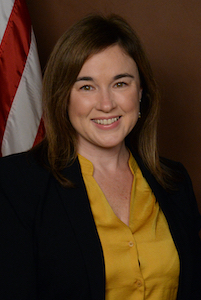
2026 Regular Session Introduced by Alana DiMario and 9 co-sponsors

Requires Rhode Island schools to reduce waste and improve recycling, with potential programs, reporting, and updates to facilities and practices.

06/18/2026 Signed by Governor
0
WeVote Research Nonpartisan
Bill Summary · SB 2438

Summary of SB 2438 (2026) – Rhode Island

Purpose and Intent

  • The bill, titled AN ACT RELATING TO EDUCATION — SCHOOL WASTE RECYCLING AND REFUSE DISPOSAL, aims to establish or strengthen requirements related to waste management, recycling, and disposal practices within Rhode Island schools.
  • It is presented as a measure governing how school facilities handle waste, with a focus on environmental stewardship, recycling, and reducing refuse generated by schools.

Key Provisions and Changes (as described by the bill text and action history)

  • The exact statutory language is not provided in the summary, but the bill’s scope indicates:
    • Requirements for school waste reduction practices across K-12 education facilities.
    • Potential mandates for school recycling programs, promoting separation of recyclables from trash.
    • Provisions governing disposal of refuse generated by schools, potentially including reporting, data collection, or compliance standards.
    • Possible alignment with state environmental or public health goals for school sites.

Who/What Would Be Affected

  • Primary: Public and possibly non-public (if applicable) K-12 schools and school districts in Rhode Island.
  • Secondary: School administrators, facilities directors, custodial staff, and related departments responsible for waste management, recycling programs, and environmental compliance.
  • Potentially: Vendors or contractors engaged in school waste collection and recycling services, if statutory requirements influence procurement or service specifications.

Procedural and Timeline Aspects

  • Introduced and referred to the Senate Environment and Agriculture Committee on February 6, 2026.
  • Initially recommended for further study by the committee on April 15, 2026, indicating a stage of evaluation and potential amendments before advancing.
  • Scheduled for a hearing and/or consideration on June 2, 2026, following theMay 29, 2026 hearing notice.
  • Co-sponsors include a broad bipartisan slate, suggesting cross-cutting interest in environmental and educational policy.

Potential Impacts and Considerations

  • Environmental: Could improve school waste reduction, increase recycling rates, and reduce landfill waste from schools.
  • Operational: May require schools to implement or upgrade recycling infrastructure (bins, signage, collection streams), staff training, and data reporting.
  • Financial: Possible cost implications for districts to establish or enhance recycling programs, buy equipment, or hire additional staff; potential for state grants or funding if included.
  • Compliance and Oversight: Depending on final language, schools may face new reporting requirements or audits to demonstrate compliance with waste and recycling standards.

Notes for Readers

  • The bill’s detailed provisions, including specific recycling targets, definitions (e.g., what qualifies as recyclable material), penalties for noncompliance, and any funding mechanisms, will be clarified in the enacted text and committee amendments.
  • Watch for updates from the Senate Environment and Agriculture Committee as the bill moves through hearings and potential revisions.

Compiled from official sources — confirm details with the bill’s official record.

Sign in to ask a question.