

WeVote

Bill

Bill

HB 5163

AN ACT RELATING TO EDUCATION -- CURRICULUM

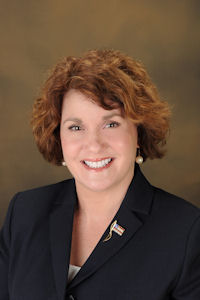
2025 Regular Session Introduced by Mia Ackerman and 5 co-sponsors

The bill creates an express exception to the definition of child neglect for parents who refuse a recommended treatment if they seek a second opinion or follow another professional

06/24/2025 Signed by Governor
0
WeVote Research Nonpartisan
Bill Summary · HB 5163

Summary — HB 5163 (2025 House Introduced)

Title: Children: child abuse or child neglect; exceptions to the definition of child neglect; provide.
Statute amended: 1975 PA 238, "Child protection law" — section 2 (MCL 722.622).
Status (as provided): Filed 03/14/2025; read first time 04/07/2025; bill electronically reproduced 10/29/2025; introduced/read 10/29/2025 and referred to Committee on Families and Veterans.

Purpose

HB 5163 revises the definitional section of Michigan’s Child Protection Law (MCL 722.622). Its most prominent substantive change creates an express exception to the statutory definition of “child neglect” for certain parental or guardian refusals of a recommended health care treatment. The bill also reorganizes and clarifies many definitions used throughout the child protection statute.

Key provisions

  • Amends section 2 of the Child Protection Law by (re)defining and clarifying numerous terms used in child abuse/neglect investigations, including:
    • Definitions for “adult foster care location authorized to care for a child,” “attorney” (as a child’s legal advocate per probate code), “central registry,” “central registry case,” “centralized intake,” “child,” “child abuse,” “child care organization/provider,” “child care regulatory agency,” and others (e.g., “confirmed case,” “confirmed serious abuse or neglect,” “confirmed sexual abuse/exploitation,” “expunge,” “health professional”).
  • Adds/explicitly states an exception to the statutory definition of “child neglect”:
    • A parent, legal guardian, or other person responsible for a child’s health does NOT commit neglect when they refuse a recommended treatment plan from a health professional if they are:
    • actively seeking a second opinion; or
    • following another health professional’s recommendation that treatment is not needed; or
    • following another health professional’s prescribed treatment plan.
    • Such a decision by the parent/guardian is made prima facie evidence that child neglect did not occur.
    • Exception is limited: it does not apply if there is clear and convincing evidence that refusal to immediately follow the initial recommended treatment would result in imminent harm to the child’s health or welfare.

Who would be affected

  • Parents and legal guardians — clarifies circumstances in which treatment refusal will not be treated as neglect.
  • Health professionals — interaction of their recommendations with child-protective determinations may change.
  • Department of Health and Human Services (DHHS) / child protective services — will apply the revised definitions in intake, investigation, and central registry decisions.
  • Child care providers, child welfare attorneys, courts, and licensing/regulatory agencies — impacted by updated statutory definitions.

Potential impact and considerations

  • Legal standard: Establishes prima facie protection for parents/guardians who seek second opinions or rely on alternate health professionals, shifting initial evidentiary burdens in neglect determinations.
  • Limits: The exception does not apply where refusal causes imminent harm — the bill sets a higher evidentiary threshold (“clear and convincing”) for overriding the exception.
  • Administrative effect: Because the change is in the definition section, it would influence how DHHS handles reports, confirmation/central registry decisions, and related investigations across Michigan.
  • Interaction with mandatory reporting: The bill does not repeal mandatory reporting duties; it clarifies when a treatment refusal by a caregiver should not automatically be classified as neglect.
  • Fiscal/criminal effects: The text provided focuses on definitions and procedural evidentiary standards; it does not itself create new criminal offenses or specified funding changes.

Procedural / timeline notes

  • House Introduced version (Oct 29, 2025) currently referred to the Committee on Families and Veterans. Further committee action, amendments, and votes would be required before passage.

Compiled from official sources — confirm details with the bill’s official record.

Sign in to ask a question.