


Bill
HB 239
An Act relating to crime and criminal procedure; relating to civil claims by victims of sexual abuse of a minor; relating to homicide; relating to assault; relating to sexual assault; relating to stalking; relating to sexual abuse of a minor; relating to enticement and unlawful exploitation of a minor; relating to cruelty to animals; relating to endangering the welfare of a child; relating to indecent exposure; relating to theft; relating to generated obscene child sexual abuse material; relating to sending an explicit image of a minor; relating to solicitation or production of an indecent picture of a minor; relating to distribution of indecent material to minors; relating to prostitution; relating to the Controlled Substances Advisory Committee; relating to the testimony of children in criminal proceedings; relating to sentencing; relating to sexual assault examination kits; restricting the release of certain records of convictions; relating to teaching certificates; relating to the definition of 'victim counseling center' for disclosure of certain communications concerning sexual assault or domestic violence; relating to motor vehicle offenses; relating to the board of parole; relating to parole; relating to medical release for service of sentence by electronic monitoring; relating to licensing of school bus drivers; creating and relating to the address confidentiality program; and providing for an effective date.
34th Legislature (2025-2026)
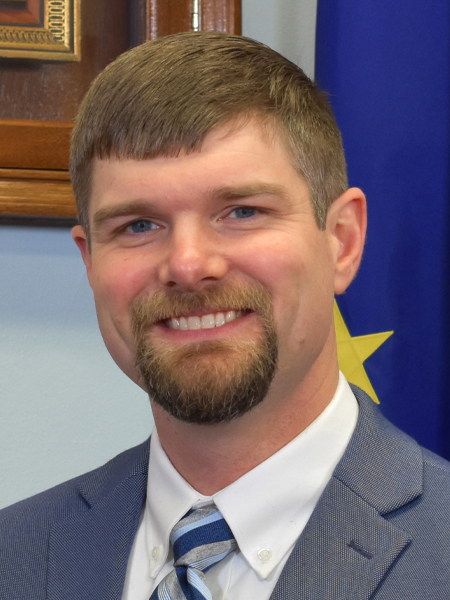
Introduced by Jesse Bjorkman and 23 co-sponsors
Alaska bill strengthens criminal negligence standards and operator duties following vehicular accidents, potentially increasing accountability for fatal collision incidents.
(H) EFFECTIVE DATE(S) OF LAW SEE CHAPTER
#courts
#crimes
#criminalprocedure
#motorvehicles
#sentencing
#boards&commissions
#business
#childabuse
#civilprocedure
#courtrules
#death
#disclosure
#domesticviolence
#drugs
#employment
#hearings
#internet
#judges
#lawenforcement
#liability
#marijuana
#medicalcare
#minors
#pornography
#postalservice
#privacy
#property
#publicrecords
#publicsafety
#safety
#sales
#science&technology
#victimsrights