

WeVote

Bill

Bill

HB 5551

AN ACT RELATING TO COMMERCIAL LAW--GENERAL REGULATORY PROVISIONS -- UNIT PRICING

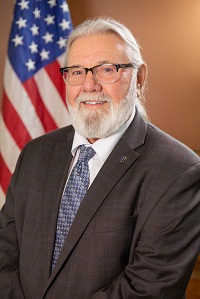
2025 Regular Session Introduced by David Bennett and 1 co-sponsor

Bar anyone convicted of an election-related offense from serving on Michigan's Board of State Canvassers or county canvass boards, protecting election integrity.

03/13/2025 Committee recommended measure be held for further study
0
WeVote Research Nonpartisan
Bill Summary · HB 5551

Summary — HB 5551 (Enacted as Public Act 227 of 2024)

Status and key dates
- Introduced: March 2024 (sponsor: Rep. Noah Arbit)
- Enacted: Public Act 227 of 2024; approved by the Governor January 17, 2025
- Effective date: April 2, 2025
- Statutory changes: Amends Michigan Election Law, sections 22c and 24b (MCL 168.22c & 168.24b)
- Companion: SB 1838

Purpose
- To add explicit eligibility limits for membership on the Board of State Canvassers (BSC) and county boards of canvassers by disqualifying individuals who have been convicted of enumerated election-related offenses.

Main provisions
- Eligibility requirement: Reaffirms that each member of the BSC and of a county board of canvassers must be a qualified and registered elector and must take the constitutional oath of office.
- New disqualification: An individual is not eligible to serve on the BSC or on a county board of canvassers if the person "has been convicted of an election-related offense."
- Definition of “election-related offense”: The statute lists numerous Michigan Election Law provisions (by section) that qualify, plus specified federal offenses where applicable — for example:
- Perjury on an affidavit of identity; unlawful disclosure of early voting results; absentee/absent voter fraud (false applications, forging signatures, unauthorized handling or returning of absentee ballots); impersonation at an election; vote buying or selling; tampering with ballot boxes or voting machines; obstructing recounts; making false campaign-finance or vote-return statements.
- Specified federal statutes: 18 U.S.C. 241 or 242 (when the violation involves someone’s right to vote), 52 U.S.C. 10307 and 52 U.S.C. 20511.
- County canvasser additional rule: continues existing prohibition on county canvasser membership by persons who hold elective public office; candidacy during term creates vacancy.

Who is affected
- Current and prospective members of the Board of State Canvassers and county boards of canvassers.
- Political parties and appointing authorities that nominate or appoint canvass board members (they must avoid nominating individuals with qualifying convictions).
- Individuals with convictions under the enumerated state or specified federal election statutes (would be ineligible regardless of when conviction occurred, as written).

Practical effect
- Creates a statutory, offense‑based bar intended to protect canvass boards’ integrity by excluding persons convicted of specific election-related crimes from serving as canvassers. The law establishes the disqualification in statute rather than leaving it to voluntary vetting during the appointment process.

Compiled from official sources — confirm details with the bill’s official record.

Sign in to ask a question.