

WeVote

Bill

Bill

H 75

An act relating to clinician participation in patient choice at end of life and DNR/COLST orders

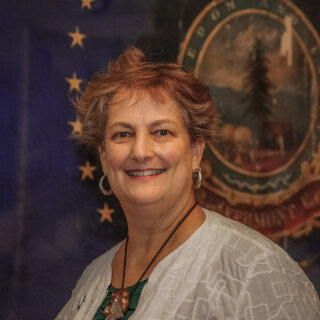
2025-2026 Regular Session Introduced by Mari Cordes

The bill requires explicit clinician involvement and documentation of patient end-of-life choices, including DNR/COLST orders, to honor patient autonomy.

Read first time and referred to the Committee on Health Care
0
WeVote Research Nonpartisan
Bill Summary · H 75

Summary of Bill H 75 (2025-2026) – Vermont

Purpose and intent

  • H 75 seeks to regulate clinician participation in patient choice at end of life and to address orders related to do-not-resuscitate (DNR) and comfort measures only/physician orders for life-sustaining treatment (COLST).
  • The bill appears to focus on ensuring that clinicians participate in patient-directed end-of-life decision-making while providing clarity around DNR/COLST orders and related processes.

Key provisions and changes (as described by the bill)

  • Clinician involvement: The act sets forth standards or requirements for clinician participation in patient choice at the end of life. This may include informed discussion, documentation, and acknowledgement of patient preferences regarding end-of-life care.
  • DNR/COLST terminology and orders: The bill references DNR and COLST orders, which are used to document a patient’s wishes regarding resuscitation and comfort-focused care in serious illness or end-of-life scenarios. It likely clarifies how these orders are to be created, maintained, and honored within clinical settings.
  • Documentation and consent: Provisions may require explicit patient or legally authorized representative consent for end-of-life care decisions, along with proper documentation in medical records.
  • Patient autonomy safeguards: The act is expected to emphasize honoring patient choices while ensuring clinicians are appropriately involved and protected when adhering to patient directives.
  • Administrative or regulatory alignment: The bill may align Vermont practice with existing state laws or regulations concerning end-of-life care, patient autonomy, and the use of DNR/COLST orders in medical decision-making.

Who would be affected

  • Patients and their legally authorized representatives: Those making end-of-life and resuscitation preferences.
  • Clinicians (physicians, nurse practitioners, physician assistants, and other licensed clinicians involved in end-of-life care): Responsible for discussing options, documenting decisions, and executing DNR/COLST orders in accordance with patient preferences.
  • Healthcare facilities and clinical staff: Institutions would implement or update policies and procedures to reflect the bill’s requirements for clinician participation and documentation of DNR/COLST orders.
  • Payers and regulators: May be affected by any new documentation, coding, or compliance requirements associated with end-of-life orders.

Procedural and timeline aspects

  • Introduction and referral: The bill was read for the first time and referred to the Committee on Health Care on January 23, 2025.
  • Next steps: The Health Care Committee would typically review, possibly amend, and report the bill to the full House. If advanced, the bill would proceed through floor debates, potential amendments, and votes, with potential consideration by the Senate and any reconciled differences before reaching the governor.
  • Effective date: Specific effective dates or phased implementation would be stated in the bill text; not provided in the summary notes. Implementation could involve transitional timelines for institutions to adopt new practices.

Notes

  • The summary is based on the bill’s title and referenced provisions. For precise language, any amendments, and exact requirements (e.g., definitions of COLST, patient eligibility, consent standards, and penalties or protections), the full bill text and subsequent committee analyses should be consulted.
  • Co-sponsor: Mari Cordes, indicating bipartisan or cross-member support within the Vermont Legislature.

Compiled from official sources — confirm details with the bill’s official record.

Sign in to ask a question.