

WeVote

Bill

Bill

HB 8475

AN ACT RELATING TO BEHAVIORAL HEALTHCARE, DEVELOPMENTAL DISABILITIES AND HOSPITALS -- DEPARTMENT OF BEHAVIORAL HEALTHCARE, DEVELOPMENTAL DISABILITIES AND HOSPITALS

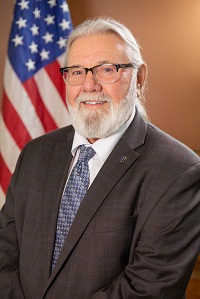
2026 Regular Session Introduced by David Bennett and 9 co-sponsors

expands subsidies to families (including siblings/adoptive parents) to care for former institutional residents at home, with rules, monitoring, and recall protections.

05/05/2026 Committee recommended measure be held for further study
0
WeVote Research Nonpartisan
Bill Summary · HB 8475

Summary of HB 8475 (Rhode Island, Session 2026)

Main purpose and intent

HB 8475 would expand Rhode Island’s deinstitutionalization subsidy aid program within the Department of Behavioral Healthcare, Developmental Disabilities and Hospitals (BHDDH). The bill focuses on financial support mechanisms to allow qualified families to care for individuals who were formerly in state institutions or similar facilities, with an emphasis on non-institutional, home-based care options.

Key aim: promote deinstitutionalization by enabling eligible family members to care for institutionalized individuals at home or in non-institutional settings, supported by state subsidy aid.

What the bill would change or add

  • Creation and expansion of the Deinstitutionalization Subsidy Aid Program within BHDDH.
  • Eligibility expansion to include adoptive parents and siblings as qualifying “parent applicants” or “appropriate relatives” who may receive subsidy aid.
  • The subsidy would be available to care for a person who:
    • Has been, or would have been, eligible for placement in Rhode Island facilities such as the Dr. Joseph H. Ladd Center, Dr. U.E. Zambarano Memorial Hospital, the Institute of Mental Health, or the General Hospital, or an equivalent out-of-state institution.
    • Would have required placement for at least 90 days (or multiple 90-day periods if a specialized community program had not been developed to meet needs).
  • The department would authorize payment of subsidy aid to the qualified parent applicant, an appropriate relative, or both, for the care, custody, and control of the institutionalized person.
  • The director would have rulemaking authority to implement and operate the program, including:
    • Eligibility and certification standards for applicants.
    • Eligibility and certification standards for those who would remove and place the person from a facilities-based setting into a home/alternative setting.
    • Licensing, inspection, monitoring, and evaluation requirements.
    • Periodic reviews of care, and the ability to issue recommendations to ensure health, safety, and welfare.
    • Safeguards and protections, including authority to recall and return the person to state institutions if necessary, including potential summary removal from home.
  • Definitions:
    • “Qualified parent applicant” includes natural parents, adoptive parents, foster parents (joint or individual), or court-appointed guardians, with specifics on custody scenarios if parents are divorced, separated, or deceased.
    • “Appropriate relative” is an approved relative of the adult, or the sibling of the adult.
    • “Subsidy aid” is the monetary assistance provided under the program.
  • The bill also directs BHDDH to explore and recommend expansions of shared-living services for siblings of individuals with developmental disabilities who can no longer be cared for by aging parents, including a fiscal impact analysis and formal recommendations to the Governor and General Assembly (note: this directive references a 2013 deadline in the text but the current act would take effect upon passage).

Who/what would be affected

  • Individuals formerly in state or designated institutions who would be eligible for deinstitutionalization to home or non-institutional settings.
  • Family members who are adoptive parents or siblings (and other approved relatives) who could become eligible for subsidy aid to care for the institutionalized person.
  • BHDDH, which would administer the program and promulgate rules, standards, inspections, and evaluations.
  • Individuals and families seeking to transition from institutional care to family-based care with state support.

Procedural/timeline aspects

  • Effective date: Upon passage of the act.
  • The program would be established within BHDDH, with rules and regulations to be promulgated by the director.
  • The act outlines ongoing eligibility determinations, care monitoring, and the possibility of recall to state care if safety or welfare concerns arise.

Note: The bill includes a prior, unrelated directive from 2013 about shared living services, which is referenced for context in the bill’s broader policy goals.

Compiled from official sources — confirm details with the bill’s official record.

Sign in to ask a question.