

WeVote

Bill

Bill

HB 818

AN ACT relating to alcoholic beverages.

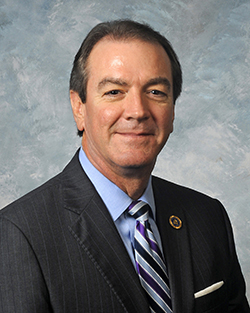
2026 Regular Session Introduced by David Osborne

HB 818 would modify Kentucky's alcoholic beverage rules, altering licensing, operation, and enforcement requirements for licensees and regulators.

returned to Licensing, Occupations, & Administrative Regulations (H)
0
WeVote Research Nonpartisan
Bill Summary · HB 818

Overview

HB 818 (2026 Regular Session, Kentucky) is a bill related to alcoholic beverages. The available action history shows the bill’s progression through the House, including referrals to the Licensing, Occupations, & Administrative Regulations committee and readings in March 2026. The summary below focuses on what the bill aims to change, who or what it would affect, and the procedural timeline.

Purpose and intent

  • The bill is framed as an act relating to alcoholic beverages. While the precise language is not provided here, such measures typically address licensing, sale restrictions, distribution, or regulatory processes governing alcohol. The intent is to modify Kentucky’s framework for oversight or operation of alcoholic beverage businesses in some way.

Key provisions and changes (as commonly encountered in alcohol-related bills)

Note: The exact text of HB 818 is not included in the provided information. The following outline reflects typical areas such bills may address. If you have the bill’s text, I can tailor this section precisely.

  • Licensing and permits
    • Changes to who may obtain licenses or permits to sell alcoholic beverages (e.g., retailers, wholesalers, on-premises vs. off-premises licenses).
    • Adjustments to license fees, renewal periods, or compliance requirements.
  • Operation and restrictions
    • Modifications to hours of sale, types of products allowed (beer, wine, spirits), or location-based restrictions (e.g., proximity to schools or churches).
    • Provisions affecting happy hour rules, promotions, or advertising standards.
  • Enforcement and penalties
    • Expanded or refined enforcement mechanisms for violations.
    • Adjusted penalties, fines, or license suspension/revocation standards.
  • Local option and governance
    • Changes to local option considerations (cities/counties voting on alcohol laws) or local control mechanisms.
  • Training and compliance
    • New compliance training requirements for licensees or employees.
    • Reporting or record-keeping obligations to state regulators.
  • Economic or public health considerations
    • Provisions intended to address public safety, underage drinking, or tax collection related to alcoholic beverages.

Who or what would be affected

  • Alcohol licensees and permit holders (e.g., bars, restaurants, liquor stores, breweries, wineries, distilleries) operating under Kentucky law.
  • Local governments and regulatory agencies responsible for licensing and enforcement of alcohol laws.
  • Employees of licensees who may be subject to new training or compliance requirements.
  • Consumers, indirectly, through changes in availability, hours, or product restrictions.

Procedural and timeline aspects

  • Introduction and referral
    • Introduced in the Kentucky House on March 2, 2026.
    • Referred to the Committee on Licensing, Occupations, & Administrative Regulations.
  • Committee actions
    • Progressed within the same committee, with multiple actions on March 9, March 16, and March 17, 2026.
  • Floor actions
    • The bill advanced to and from readings in the House on March 16 and March 17, 2026, indicating consideration before potential floor debate or passage.
  • Next steps (typical timeline)
    • If available in the session, the bill would proceed to consideration by the Senate, with potential hearings, floor votes, and potential conference committees if differences arise.
    • Upon passage in both chambers, the bill would be sent to the governor for signature or veto.

Notes

  • Specifics such as dollar amounts, exact regulatory changes, and targeted provisions cannot be confirmed without the bill text. For an exact, detailed summary, providing the bill’s full text or key sections would allow precise description of provisions, fiscal impact, and regulatory changes.
  • If you can share the actual text or sections of HB 818, I can produce a point-by-point substantive summary with precise details.

Compiled from official sources — confirm details with the bill’s official record.

Sign in to ask a question.