

WeVote

Bill

Bill

HB 5273

AN ACT PROHIBITING PROPOSITION BETS INVOLVING CONNECTICUT INTERCOLLEGIATE TEAMS.

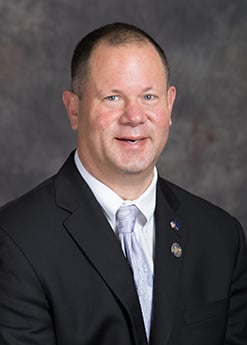
2025 Regular Session Introduced by Craig Fishbein and 1 co-sponsor

Connecticut would ban proposition bets on in-state college athletic teams to protect student-athlete integrity and prevent gambling-related corruption in collegiate sports.

REF. TO JOINT COMM. ON General Law
0
WeVote Research Nonpartisan
Bill Summary · HB 5273

Legislative bill overview

HB 5273 would prohibit proposition bets (specific outcome wagers beyond standard win/loss betting) on Connecticut intercollegiate athletic teams. The bill appears designed to protect student-athletes and collegiate sports integrity by restricting the types of sports gambling allowed on in-state college teams, even in jurisdictions where sports betting is otherwise legal.

Why is this important

Proposition bets on college sports can create perverse incentives for athletes to manipulate game outcomes or individual performances for gambling purposes, potentially compromising competitive integrity. Connecticut has legalized sports betting in recent years, but this bill seeks to draw a line protecting collegiate athletics—where athletes are non-professional students—from the expanded betting market that might target specific player performances or game events.

Potential points of contention

  • Enforcement complexity: Distinguishing between proposition bets on Connecticut college teams versus out-of-state teams, especially with online betting platforms, presents practical challenges for regulators.
  • Economic impact on gaming industry: Licensed sportsbooks may oppose revenue restrictions, particularly if competitors in neighboring states offer unrestricted prop betting on the same Connecticut teams.
  • Constitutional questions: Potential concerns about whether selective betting prohibitions on in-state versus out-of-state teams could face legal challenges based on interstate commerce or equal protection grounds.

Compiled from official sources — confirm details with the bill’s official record.

Sign in to ask a question.