

WeVote

Bill

Bill

HB 6062

AN ACT PROHIBITING DIRECT-TO-CONSUMER PRESCRIPTION DRUG ADVERTISEMENTS.

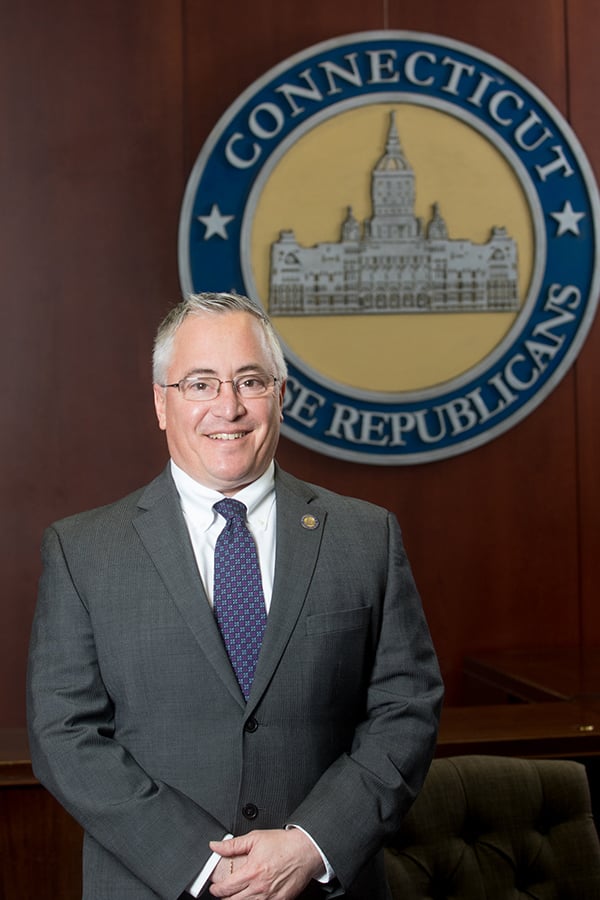
2025 Regular Session Introduced by Vin Candelora and 2 co-sponsors

Connecticut bill prohibits direct-to-consumer prescription drug advertising, restricting pharma marketing while raising federal preemption and free speech questions.

REF. BY HOUSE TO COMMITTEE ON Appropriations
0
WeVote Research Nonpartisan
Bill Summary · HB 6062

Legislative bill overview

HB 6062 would prohibit pharmaceutical companies from advertising prescription drugs directly to consumers in Connecticut. This represents a significant departure from current federal law, which permits direct-to-consumer (DTC) advertising under FDA regulation. The bill would restrict advertising channels for prescription medications marketed to the general public.

Why is this important

The U.S. is one of only two developed nations allowing DTC prescription drug advertising, and this practice influences consumer behavior and healthcare spending. Connecticut's proposed ban would test whether states can restrict pharmaceutical marketing within their borders, potentially affecting how drug manufacturers communicate with patients and influencing treatment decisions. The policy touches on healthcare costs, consumer information access, and pharmaceutical industry practices.

Potential points of contention

  • Federal preemption concerns: The FDA regulates DTC advertising federally; Connecticut may lack authority to impose stricter state-level restrictions, inviting legal challenges on preemption grounds.
  • First Amendment commercial speech: Pharmaceutical companies may argue the ban restricts protected commercial speech under existing Supreme Court precedent on advertising limitations.
  • Patient access to information: Critics argue DTC ads inform patients about treatment options; supporters counter that ads prioritize profits over medical necessity and drive unnecessary prescriptions and healthcare costs.

Compiled from official sources — confirm details with the bill’s official record.

Sign in to ask a question.