

WeVote

Bill

Bill

HB 5272

AN ACT PROHIBITING CERTAIN GAMING-RELATED ADVERTISING, MARKETING AND PROMOTIONAL ACTIVITIES.

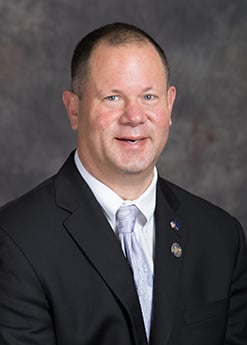
2025 Regular Session Introduced by Craig Fishbein and 1 co-sponsor

HB 5272 restricts gaming advertising and marketing in Connecticut to reduce problem gambling exposure while potentially limiting state gaming revenue and raising free speech concerns.

FILE NO. 586
0
WeVote Research Nonpartisan
Bill Summary · HB 5272

Legislative bill overview

HB 5272 would restrict gaming-related advertising, marketing, and promotional activities in Connecticut. The bill imposes limitations on how gaming operators can promote their services to the public. Specific restrictions likely target advertising channels, times, locations, or audiences to reduce exposure to vulnerable populations.

Why is this important

Gaming addiction costs individuals and families significant financial and social harm, with research showing advertising increases problem gambling rates. Connecticut currently has a state lottery and regulated gaming venues, making advertising restrictions a policy choice about balancing state revenue interests against public health. The bill reflects growing national concern about predatory marketing practices targeting minors and low-income populations.

Potential points of contention

  • State revenue impact: Gaming advertising restrictions may reduce customer acquisition for state-operated lotteries and casinos, potentially affecting Connecticut's budget that relies on gaming revenue
  • Free speech concerns: Gaming operators may challenge advertising restrictions as violating commercial free speech protections under the First Amendment
  • Enforcement complexity: Defining "certain gaming-related advertising" requires clear standards; ambiguous language could create compliance challenges for businesses and enforcement disputes
  • Competitive fairness: Restrictions affecting some operators differently (e.g., tribal casinos vs. state operations) could raise jurisdictional and fairness questions

Compiled from official sources — confirm details with the bill’s official record.

Sign in to ask a question.