

WeVote

Bill

Bill

SD 3352

An Act creating a behavioral health emergency response pilot program

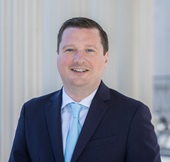
194th Legislature (2025-2026) Introduced by Patrick O'Connor

Bill SD 3352 establishes a pilot program in Massachusetts to integrate behavioral health clinicians into emergency response teams, improving care for mental health crises.

Referred to the committee on Public Safety and Homeland Security
0
WeVote Research Nonpartisan
Bill Summary · SD 3352

Summary of Bill SD 3352: Behavioral Health Emergency Response Pilot Program

Bill Information:
- Bill Number: SD 3352
- Title: An Act creating a behavioral health emergency response pilot program
- Status: Referred to the committee on Rules of the two branches, acting concurrently
- Introduced: November 06, 2025
- Classification: Proposed bill
- Sponsor: Patrick M. O'Connor (First Plymouth and Norfolk)

Purpose and Intent

The primary aim of Bill SD 3352 is to establish a behavioral health emergency response pilot program in Massachusetts. This initiative seeks to enhance the response capabilities of municipal police, fire, and emergency medical professionals by integrating behavioral health clinicians into emergency response teams. The goal is to improve the handling of 911 calls that involve mental health crises, thereby promoting better outcomes for individuals in need of behavioral health support.

Key Provisions

The bill proposes several important provisions:

  1. Program Establishment:

    • The Executive Office of Public Safety and Security, in collaboration with the Department of Public Health and the Department of Mental Health, will oversee the pilot program.
  2. Grant Application Process:

    • The program will create a structured application process for municipalities to apply for grants to participate. This includes:
      • Criteria for municipal applicants and behavioral health clinician staff.
      • A system for data collection to assess program outcomes.
  3. Collaboration with Community Organizations:

    • A board comprising representatives from various behavioral health organizations will be established to guide the program.
  4. Emergency Response Protocol:

    • Behavioral health clinicians will only respond to emergency calls in conjunction with municipal police, fire, or emergency medical professionals.
  5. Educational Component:

    • The program will include training for municipal responders on behavioral health issues, community policing, and serving individuals with disabilities.
  6. Reporting Requirements:

    • An annual report will be submitted to relevant legislative committees detailing:
      • Grant allocations.
      • Participation metrics (number of municipalities and clinicians).
      • Data on program outcomes and challenges encountered.

Impact

The bill is expected to have a significant impact on:

  • Municipal Emergency Services: By integrating behavioral health clinicians, emergency responders will be better equipped to manage mental health crises, potentially reducing the need for law enforcement intervention and improving patient outcomes.
  • Individuals in Crisis: The program aims to provide timely and appropriate support to individuals experiencing behavioral health emergencies, which could lead to better health outcomes and reduced stigma around mental health issues.
  • Community Health Organizations: The collaboration with various behavioral health organizations will foster a more comprehensive approach to mental health care within the community.

Procedural Aspects

  • The bill was introduced on November 6, 2025, and has been referred to the committee on Rules of the two branches for further consideration.
  • A report on the program's progress is mandated within 12 months of the bill's effective date and annually thereafter.

This pilot program represents a proactive step towards addressing behavioral health crises in Massachusetts, aiming to create a more effective and compassionate emergency response system.

Compiled from official sources — confirm details with the bill’s official record.

Sign in to ask a question.